
Parasite infections rarely develop overnight. In most cases, internal worms establish themselves gradually, allowing the infestation to grow before noticeable symptoms appear. Because early infections often remain hidden, many animal owners fail to recognize the problem until the animal begins showing visible signs of declining health. Learning to identify these warning signals can help owners seek timely veterinary advice and prevent more serious complications.
Internal parasites affect animals by competing for nutrients, damaging the digestive tract, irritating internal tissues, and weakening the immune system. As the parasite burden increases, animals become less efficient at converting feed into energy, leading to slower growth and declining productivity. In severe cases, untreated infestations may contribute to significant health complications that require prolonged veterinary care.
One of the earliest indicators of parasite infection is poor weight gain despite normal feeding habits. Animals may continue consuming their regular diet while failing to develop properly because parasites absorb nutrients before the body can utilize them. Young livestock are particularly susceptible since they require large amounts of nutrients for healthy growth and development.
Changes in coat condition provide another valuable clue. Healthy animals typically have smooth, glossy coats, whereas parasite-infested animals often develop rough, dry, or dull hair. Reduced skin condition may occur alongside poor body condition, making the animal appear unhealthy despite receiving adequate nutrition.
Digestive disturbances frequently accompany internal worm infections. Persistent diarrhea, loose manure, abdominal discomfort, bloating, or occasional constipation may all occur depending on the parasite species involved. Some parasites damage the intestinal lining, reducing nutrient absorption and causing chronic digestive irritation that gradually weakens the animal.
Fatigue and reduced activity levels also deserve attention. Animals carrying heavy parasite burdens often become less energetic because they receive fewer nutrients while their bodies work harder to compensate for internal damage. Livestock may spend more time resting, while pets may become less playful or show reduced interest in physical activity.
Certain parasites feed directly on blood, increasing the risk of anemia. Pale gums, weakness, rapid breathing, and reduced stamina may indicate significant blood loss requiring immediate veterinary evaluation. Young animals affected by blood-feeding parasites are especially vulnerable because even moderate infestations can quickly impact their health.
Respiratory symptoms sometimes develop when parasites migrate through or inhabit the lungs. Persistent coughing, breathing difficulties, or exercise intolerance may indicate lungworm infections in susceptible animal species. Because respiratory signs can resemble bacterial or viral diseases, professional diagnosis remains important for selecting appropriate treatment.
Routine observation is one of the most effective tools available to animal owners. Monitoring appetite, drinking habits, manure quality, body weight, behavior, and overall appearance allows subtle health changes to be detected before serious illness develops. Veterinary examinations and periodic fecal testing further improve early detection by identifying parasite eggs before clinical signs become severe.
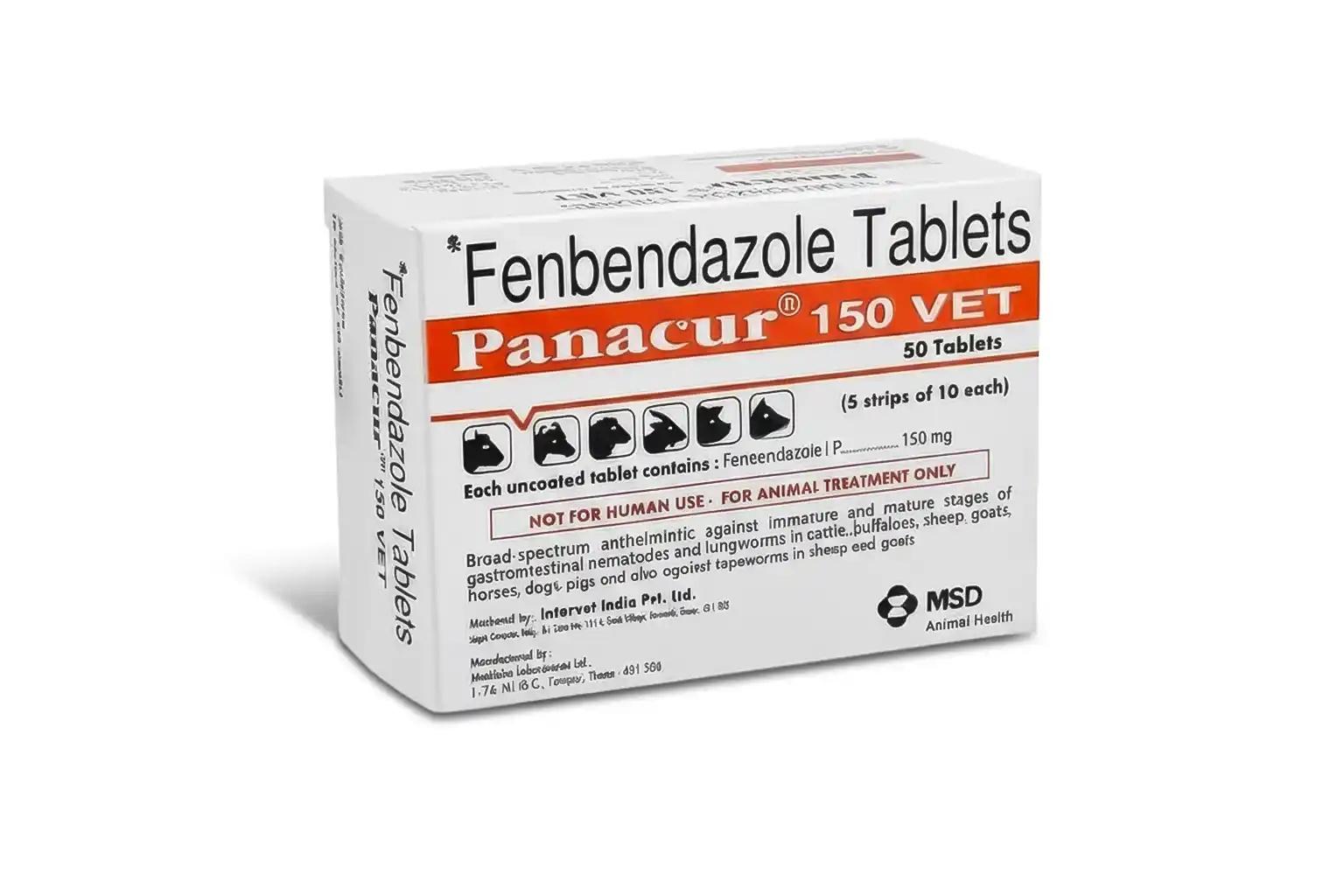
When parasites are confirmed, veterinarians may recommend an effective veterinary deworming option capable of controlling common intestinal worms affecting the specific animal species. Appropriate treatment helps reduce parasite burdens, supports digestive recovery, improves nutrient utilization, and contributes to better overall health. Following professional guidance ensures medication is used safely and effectively while minimizing the risk of recurring infections.
However, treatment represents only one part of successful parasite management. Good sanitation practices, clean housing, proper manure disposal, fresh drinking water, and rotational grazing all reduce environmental contamination and lower future infection risks. Preventive management remains the most sustainable approach for maintaining healthy animals over time.
Balanced nutrition also supports recovery following parasite treatment. Adequate protein, essential minerals, and vitamins help rebuild body condition while strengthening immune function. Combined with regular veterinary care, proper nutrition contributes to improved resilience against future parasite challenges.
Those seeking to expand their knowledge about parasite prevention, livestock management, and responsible animal healthcare can explore reliable veterinary care resources and professional animal health information that offer educational guidance for farmers, breeders, and pet owners. Access to trusted information supports better decision-making and encourages long-term preventive care.
Recognizing the signs of parasite infections at an early stage can make a significant difference in animal health outcomes. By staying observant, maintaining clean environments, scheduling routine veterinary checkups, and following preventive healthcare practices, animal owners can reduce parasite-related problems while promoting healthier, more productive animals throughout every stage of life.
 English
Join our community to interact with posts!