
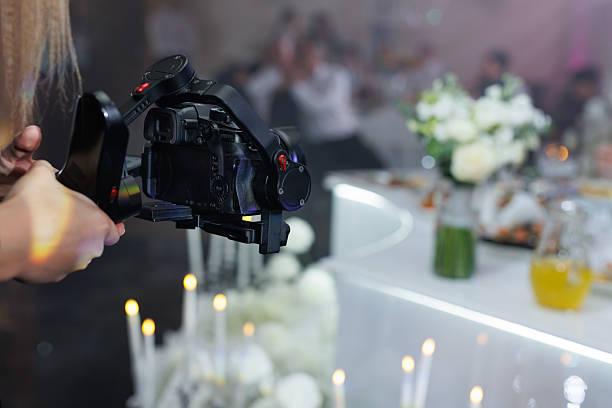
Most couples spend weeks agonizing over flowers and cake flavors, then book their videographer in about 20 minutes after watching one gorgeous highlight reel on Instagram. That's a mistake. A highlight reel is basically a trailer. It tells you almost nothing about whether the person behind the camera can actually tell your story. If you're starting to research Wedding Videography Services in Boston, MA, this guide is going to save you from the most common and expensive hiring errors couples make. We'll go through five specific things to check before you sign anything, covering everything from contract language to audio quality to questions you should absolutely ask before your first meeting ends.
1. Watch a Full Wedding Film, Not Just the Highlight Reel
Here's the thing about highlight reels. They're edited to a banger song, they're two minutes long, and they make almost any videographer look like a genius. Full films are different. You'll see how they handle the quiet moments, the toasts that run too long, the ceremony that moved slower than expected. That's where real editing skill shows up.
Ask for at least two complete wedding films from recent work. Watch how the pacing holds up past the 10-minute mark. Does the story still feel coherent, or does it fall apart once the dramatic first dance shots run out? Honestly, most couples don't ask for this, and most videographers won't offer it unless you push. Push anyway.
Also check for consistency across different weddings. One great film might be luck. Three great films from three different venues and lighting conditions? That's a pattern you can trust.
2. Match Their Shooting Style to Your Actual Vision
There are three main styles you'll run into. Cinematic, documentary, and traditional. They're genuinely different, and hiring the wrong one for your wedding is a real problem that's very hard to fix after the fact.
Cinematic videographers treat your wedding like a short film. They direct shots, use a lot of movement, and lean heavily on color grading and music to set a mood. Documentary style is more hands-off, capturing moments as they happen without much staging. Traditional is more structured, closer to what your parents' generation expected, with formal coverage of each event in sequence. None of them is better. But one of them fits your vision better than the others.
Think about what you actually want to feel when you watch your wedding video in ten years. If you want to relive the chaos and the laughter exactly as it happened, documentary is probably your match. If you want something that feels like a film you'd actually sit down and watch, cinematic makes more sense. Get specific about this before you start comparing quotes, because style should come before price in your decision process.
3. Read the Contract Like You Mean It
Most couples skim the contract. Don't. There are three specific things to look for, and missing any of them can genuinely hurt you.
-
Delivery timeline. How long after your wedding will you receive the finished films? Six months is common. Some videographers take longer. Make sure there's an actual date written in, not just "within a reasonable time."
-
Raw footage ownership. Do you get the raw, unedited footage? Many videographers don't include this by default, and some won't offer it at all. If having the raw files matters to you, get it in writing now.
-
Backup equipment policy. What happens if a camera fails on the day? A professional should carry backup bodies, backup audio gear, and have a plan. If this isn't addressed in the contract, ask directly.
Also check the cancellation terms. Life happens. Knowing what you're entitled to if you need to cancel or if they cancel is worth reading carefully before you sign.
4. Test Their Audio Quality Before You Commit
Poor ceremony audio is one of the most common regrets couples report after the wedding. And it's almost entirely avoidable if you check for it upfront. Video looks beautiful, audio gets remembered. When you watch sample films, close your eyes for a minute and just listen to the vows section.
Can you hear every word clearly? Is there wind noise, echo, or that hollow sound that comes from a camera mic being too far away? A good videographer will use a wireless lavalier mic on the officiant or the groom, and sometimes a recorder on the altar itself. Ask them directly how they capture audio during the ceremony, and what their backup plan is if the primary mic fails. If they don't have a clear answer, that's your answer.
Outdoor venues and large churches are the hardest audio environments. If your venue falls into either of those categories, this question is even more important. Mention your venue type specifically and see how they respond. Confidence and detail in that answer tells you a lot.
5. Ask About Venue Experience, Lighting, and Second Shooters
Not every videographer handles every venue well. Dim reception halls, bright outdoor ceremonies, and mixed lighting situations all require different gear and different instincts. Finding the best wedding videographer in Boston, MA for your specific venue type matters more than most couples realize.
Ask whether they've shot at your venue before. If they have, ask to see footage from it. If they haven't, ask how they'd prepare, and whether they do a site visit beforehand. A videographer who shows up to a dark venue without fast lenses or a plan for low-light shooting is going to struggle, and your footage will show it.
Second shooter availability is the other thing to nail down. One camera operator can't be everywhere. They can't capture your partner's face during vows while simultaneously getting the wide shot of the room. Two cameras solve that problem. Ask if a second shooter is included in your package or available as an add-on, and ask to see footage that was shot with their specific two-person setup. If you're looking for the best wedding videographer in Boston, MA, this is the kind of detail that separates the professionals from the part-timers.
If you'd rather skip the research altogether and go with a team that already checks all these boxes, Granite Stag Photo and Video is one option people use for exactly this kind of full-service wedding coverage in the Boston area.
The basics of videography as a craft haven't changed much, but what separates a forgettable wedding video from one you'll actually rewatch is the person's judgment, preparation, and ability to stay calm when things don't go as planned. Ask hard questions. Watch full films. Read the contract. Those three habits alone will put you ahead of most couples who are hiring at the same time you are.
Frequently Asked Questions
How far in advance should I book a wedding videographer?
Most good videographers book up 12 to 18 months out, especially for peak wedding season dates. If your wedding is in the fall or summer, start reaching out at least a year ahead. Waiting until six months before is doable but limits your choices significantly.
What's a realistic budget for Wedding Videography Services in Boston, MA?
Prices vary a lot, but for solid professional work in the Boston area you're generally looking at $3,000 to $6,000 for a full day of coverage with a finished film. Second shooters, drone footage, and same-day edits will push that number higher. Be cautious of quotes that seem unusually low.
Should I ask for the raw footage?
It depends on what you want to do with it. Raw files are large, and most couples never actually watch them. But if you want the option to have someone re-edit the footage later, or if you're worried about the videographer going out of business before delivering, having the raw files is a reasonable safeguard. Just know it's not always included and may cost extra.
How many cameras should a wedding videographer use?
Two cameras is the standard for professional wedding coverage. It lets you capture different angles simultaneously, which is especially important during the ceremony and first dance. Some packages include a third camera or drone. One camera is a red flag unless you're booking a very small, intimate event.
What if I don't like the finished video?
This is why reviewing full films before hiring matters so much. If their style matches yours going in, the chances of a major disappointment drop sharply. Most contracts allow for a round or two of revisions on things like music or pacing. Check what's included before you sign, and don't assume unlimited changes are on the table.
 English
Join our community to interact with posts!