
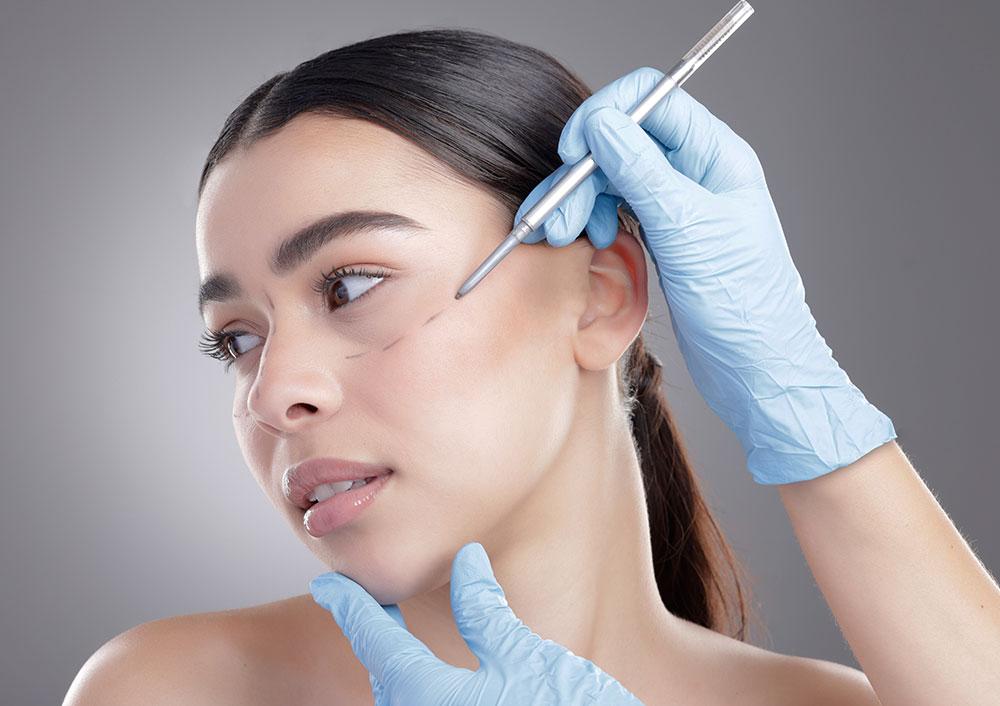
The eyes are one of the first facial features people notice. However, aging, genetics, and lifestyle factors can lead to drooping eyelids, under-eye bags, or excess skin that affects both appearance and vision. Many people seek cosmetic or functional solutions to restore a youthful and refreshed look. If you are considering Eyelid Surgery in Islamabad, understanding the different procedures available can help you make an informed decision about the treatment that best suits your needs.
This guide explains the main types of eyelid surgery, their benefits, who may benefit from each procedure, and what to expect during recovery.
What Is Eyelid Surgery?
Eyelid surgery, also known as blepharoplasty, is a cosmetic or reconstructive procedure designed to improve the appearance and function of the upper or lower eyelids. It removes or repositions excess skin, fat, and muscle to create a smoother and more youthful appearance.
In some cases, the procedure is also performed to improve vision when sagging upper eyelids interfere with the visual field.
Why Do People Choose Eyelid Surgery?
People consider eyelid surgery for several reasons, including:
- Drooping upper eyelids
- Puffy under-eye bags
- Loose or sagging eyelid skin
- Tired or aged facial appearance
- Reduced peripheral vision caused by excess eyelid skin
- Desire for facial rejuvenation
The procedure is customized based on each person's concerns and facial anatomy.
Types of Eyelid Surgery
There are different forms of eyelid surgery, and each addresses specific concerns.
Upper Eyelid Surgery
Upper eyelid surgery focuses on removing excess skin, muscle, and fat from the upper eyelids.
This procedure is ideal for individuals experiencing:
- Hooded eyelids
- Loose skin affecting vision
- A tired or heavy eye appearance
- Age-related skin laxity
The incision is usually placed within the natural eyelid crease, making the scar less noticeable after healing.
Lower Eyelid Surgery
Lower eyelid surgery targets puffiness, under-eye bags, and loose skin beneath the eyes.
It may involve:
- Removing excess fat
- Repositioning fat for smoother contours
- Tightening loose skin
- Improving wrinkles under the eyes
Depending on the patient's needs, the incision may be made just below the lash line or inside the eyelid, leaving little to no visible scarring.
Double Eyelid Surgery
Double eyelid surgery creates or enhances an upper eyelid crease for individuals who naturally have a single eyelid.
Although more commonly requested in East Asian countries, some patients in Pakistan also choose this procedure to achieve a more defined eyelid appearance.
The procedure can be performed using surgical or minimally invasive techniques depending on the patient's anatomy.
Functional Eyelid Surgery
Not all eyelid surgeries are performed for cosmetic reasons.
Functional eyelid surgery is recommended when drooping eyelids interfere with daily activities, especially vision.
This type of surgery can help:
- Improve peripheral vision
- Reduce eye fatigue
- Enhance comfort during reading or driving
- Restore normal eyelid function
The primary goal is improving eye function while also enhancing appearance.
Combined Upper and Lower Eyelid Surgery
Some individuals experience aging changes in both the upper and lower eyelids.
In such cases, surgeons may recommend combining both procedures during a single surgical session.
Benefits include:
- Comprehensive facial rejuvenation
- Balanced results
- One recovery period
- More youthful eye appearance
This approach is often suitable for patients seeking complete eyelid rejuvenation.
Who Is a Good Candidate?
You may be a suitable candidate if you:
- Have drooping or sagging eyelids
- Notice persistent under-eye bags
- Are in generally good health
- Have realistic expectations
- Do not smoke or are willing to stop before surgery
- Experience vision obstruction due to excess eyelid skin
A professional consultation helps determine the most appropriate treatment plan.
What Happens During the Procedure?
The exact steps depend on the type of eyelid surgery being performed.
Generally, the procedure includes:
- Careful assessment and marking
- Administration of local anesthesia with sedation or general anesthesia
- Small, strategically placed incisions
- Removal or repositioning of fat
- Tightening of skin and muscle
- Precise closure of incisions
Most procedures are completed within one to three hours.
Recovery After Eyelid Surgery
Recovery is generally straightforward when post-operative instructions are followed.
Patients may experience:
- Mild swelling
- Bruising
- Temporary tightness
- Slight discomfort
Most swelling begins to improve within the first two weeks, while complete healing continues over several months.
Helpful recovery tips include:
- Keeping the head elevated
- Applying cold compresses
- Avoiding strenuous activities
- Protecting the eyes from sunlight
- Attending scheduled follow-up appointments
Following aftercare instructions helps support smooth healing and long-lasting results.
Benefits of Eyelid Surgery
Many patients choose eyelid surgery because it offers both cosmetic and functional improvements.
Common benefits include:
- Younger-looking eyes
- Reduced puffiness
- Smoother eyelids
- Improved facial balance
- Better vision in functional cases
- Increased confidence
- Long-lasting results
The improvements often create a refreshed appearance without dramatically changing natural facial features.
Choosing the Right Type of Eyelid Surgery
Every person's facial structure and concerns are unique.
Factors considered before selecting a procedure include:
- Age
- Skin elasticity
- Amount of excess skin
- Fat distribution
- Eye shape
- Overall facial goals
A personalized treatment plan ensures that the chosen procedure addresses individual concerns while maintaining natural-looking results.
Frequently Asked Questions
Is eyelid surgery only for older adults?
No. While aging is a common reason for eyelid surgery, younger adults may also choose it to correct inherited eyelid characteristics or improve facial appearance.
How long do the results last?
Results can last for many years. Although the natural aging process continues, most patients enjoy long-term improvement after surgery.
Will eyelid surgery leave visible scars?
Incisions are usually placed within natural eyelid folds or inside the eyelid, making scars minimal and less noticeable after healing.
Can upper and lower eyelid surgery be performed together?
Yes. Many patients undergo both procedures during the same surgical session for more comprehensive facial rejuvenation and a single recovery period.
How soon can I return to daily activities?
Many individuals resume light daily activities within one to two weeks, although complete healing and final results take longer.
Final Thoughts
Understanding the different types of eyelid surgery allows you to choose the treatment that best matches your cosmetic or functional goals. Whether you need upper eyelid correction, lower eyelid rejuvenation, or a combination approach, modern techniques provide natural-looking and long-lasting improvements. If you are considering Eyelid Surgery in Islamabad, consulting a qualified specialist is the first step toward achieving refreshed, youthful-looking eyes with a treatment plan tailored to your individual needs.
 English
Join our community to interact with posts!