
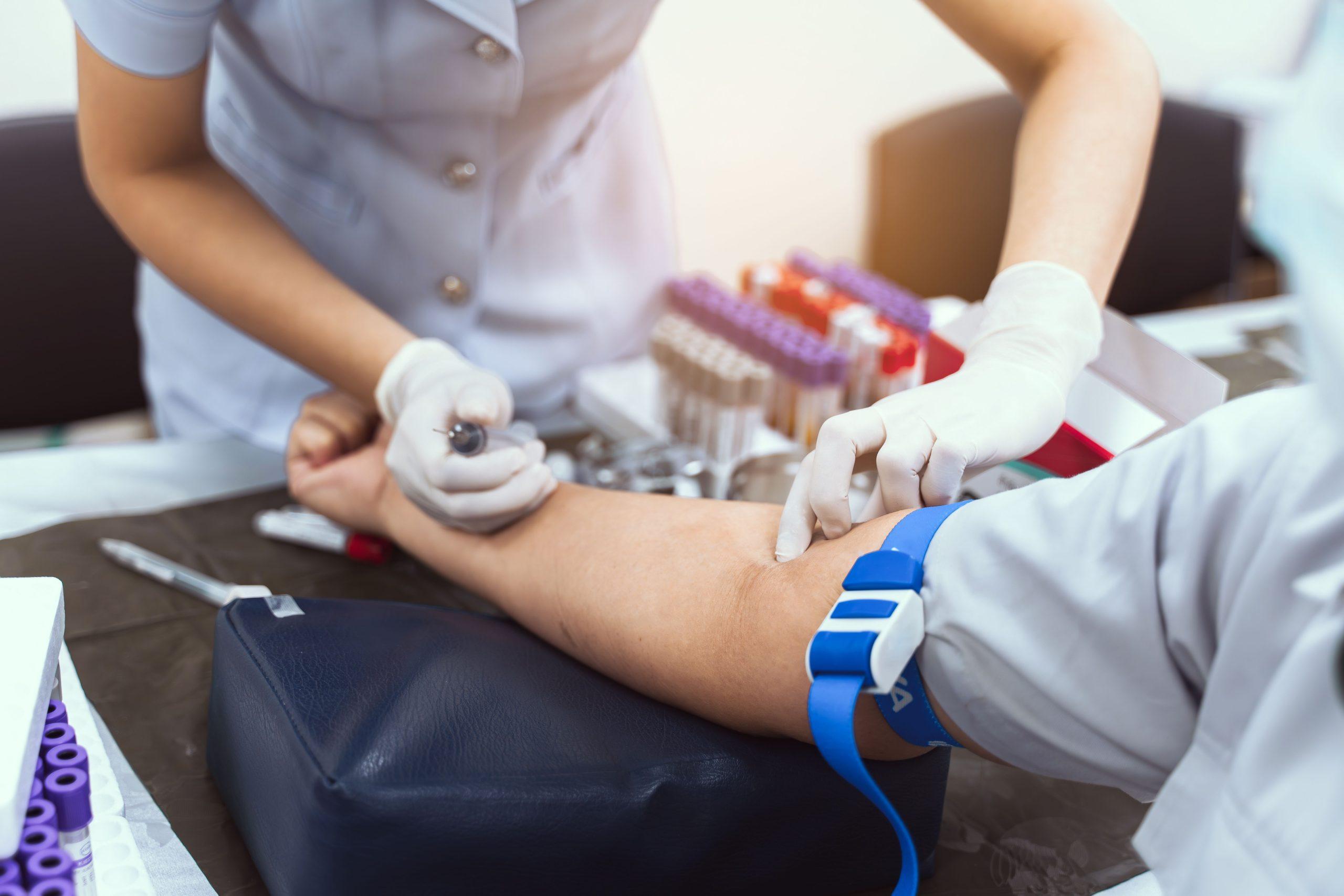
Applying for a visa involves several important stages, including document verification, interviews, background checks, and medical assessments. Among these requirements, the Visa Blood Test Dubai is a crucial part of the immigration medical exam for many applicants. Although the process may seem unfamiliar, understanding why blood testing is required and how it works can help applicants prepare properly and avoid unnecessary complications.
A visa medical examination is designed to confirm that applicants meet the health standards established by immigration authorities. The blood test is not a general health screening but a targeted medical evaluation used to identify specific conditions that may require further review or follow-up care.
Knowing what happens before, during, and after a blood test for visa application can make the entire immigration medical process more organized and predictable.
Why Immigration Authorities Require a Visa Blood Test?
Immigration health requirements are created to protect public health while ensuring that applicants receive appropriate medical guidance when necessary. A visa medical blood test helps authorized physicians collect important health information required for completing immigration medical forms and reports.
Different countries have different medical screening rules. Depending on the destination country, visa category, age, and personal circumstances, applicants may need specific laboratory tests as part of their medical examination.
The main reasons for requiring blood testing include:
- Detecting certain communicable diseases
- Confirming medical eligibility under immigration regulations
- Supporting the doctor’s medical assessment
- Identifying conditions that may require additional evaluation
The results of the blood test become part of the applicant’s overall immigration health assessment and are reviewed by an approved medical professional.
What Happens During a Visa Blood Test Appointment?
Many applicants feel uncertain about the blood testing process because they do not know what to expect. However, the procedure is usually straightforward when completed through an approved immigration medical clinic.
Registration and Document Verification:
Before the blood sample is collected, the medical staff usually confirms the applicant’s identity and reviews important documents. Applicants may need to provide:
- Passport or government-issued identification
- Visa medical examination forms
- Vaccination records
- Previous medical documents if required
- Information about current medications
Accurate documentation helps prevent delays and ensures that medical records are correctly matched with the applicant.
Medical Consultation Before Testing:
The authorized physician may review the applicant’s medical history before ordering the required laboratory tests. This step helps determine which examinations are necessary according to immigration guidelines.
The doctor may discuss:
- Previous illnesses
- Current health conditions
- Vaccination history
- Previous medical treatments
- Any relevant health concerns
This information allows the physician to complete a proper immigration medical evaluation.
Blood Sample Collection Process:
The actual immigration blood test is generally quick. A healthcare professional collects a small blood sample from a vein, which is then sent to a certified laboratory for analysis.
Most applicants experience only minor discomfort during collection. Following basic instructions from medical staff can make the process easier and more comfortable.
Which Medical Conditions Are Checked Through Blood Testing?
The specific conditions tested during a visa blood test procedure depend on official immigration requirements. The purpose is usually focused on identifying health concerns that may have public health importance.
Some immigration medical examinations may include testing related to:
Infectious Disease Screening:
Blood testing may be used to screen for certain infections that immigration authorities consider relevant for public health monitoring.
If a result requires additional attention, the approved physician may request further testing, medical records, or specialist evaluation before completing the final medical report.
Additional Testing Based on Applicant Requirements:
Certain applicants may need additional medical assessments based on factors such as:
- Visa category
- Country-specific regulations
- Age requirements
- Medical history
- Previous test results
The required tests are determined by authorized medical professionals following official immigration instructions.
How to Prepare Before Your Visa Blood Test?
Proper preparation can help applicants complete their medical examination smoothly. While preparation requirements vary, following general guidelines can reduce stress and prevent avoidable delays.
Organize Your Medical Documents:
Before attending the appointment, prepare all necessary paperwork. Important documents may include:
- Identification documents
- Immigration forms
- Vaccination certificates
- Medical history details
- Reports from previous treatments
Having complete records allows the physician to assess your health information accurately.
Follow Instructions From the Medical Clinic:
Each approved clinic may provide specific instructions before the examination. Applicants should carefully follow guidance regarding food, medications, arrival time, and required paperwork.
Some laboratory tests may require special preparation, while others may not require any restrictions.
Maintain Accurate Health Information:
Applicants should provide honest and complete information about their medical history. Accurate details help the physician prepare the correct immigration medical report and reduce the possibility of processing delays.
How Long Does a Visa Blood Test Take?
The blood collection itself is usually completed within a short appointment period. However, the complete process includes laboratory analysis, physician review, and submission of medical results.
The overall timeline may depend on:
- Laboratory processing time
- Required medical examinations
- Additional testing requirements
- Immigration authority procedures
Applicants should complete their medical examination early enough to allow sufficient time before visa deadlines.
What Happens After the Blood Test Results Are Ready?
After laboratory testing is completed, the results are reviewed by the authorized immigration physician. The doctor combines the blood test findings with other medical examination results to prepare the final medical assessment.
The completed report may include:
- Physical examination results
- Laboratory findings
- Vaccination information
- Additional medical notes if required
In many cases, applicants do not receive the laboratory report directly because the results are submitted through official immigration medical channels.
Can Blood Test Results Affect Visa Approval?
A common concern among applicants is whether an unexpected blood test result will automatically lead to visa rejection. The answer depends on the specific medical condition, immigration regulations, and the assessment of the authorized physician.
A visa medical examination result is evaluated according to established health standards. If additional information is needed, applicants may be asked to complete further medical steps.
Possible follow-up actions may include:
- Additional laboratory tests
- Medical consultations
- Treatment documentation
- Specialist reports
Immigration decisions are based on the complete application, including medical requirements, rather than a single test result alone.
Common Mistakes Applicants Should Avoid Before Their Medical Exam:
Many visa applicants experience delays because of simple preparation mistakes. Avoiding these issues can make the medical process easier.
Visiting a Non-Approved Medical Provider:
Most immigration systems require applicants to complete medical examinations through authorized panel physicians. Using an unapproved doctor may result in rejected medical documents.
Forgetting Vaccination Records:
Missing vaccination information can create additional steps during the medical appointment. Bringing complete vaccination records helps the physician determine whether any updates are needed.
Providing Incomplete Medical History:
Failure to mention previous treatments or health conditions may complicate the assessment process. Complete information supports accurate medical documentation.
Delaying the Medical Examination:
Waiting too long to complete required medical testing may affect visa processing timelines. Scheduling the appointment early provides enough time for possible follow-up requirements.
Choosing the Right Immigration Medical Clinic for Your Blood Test:
Selecting an approved and experienced medical clinic is an important part of completing a successful immigration health examination. Professional clinics understand visa medical requirements and follow approved procedures for laboratory testing and reporting.
A suitable immigration medical provider should offer:
- Authorized panel physicians
- Proper laboratory facilities
- Experience with immigration medical exams
- Clear guidance about required documents
- Accurate medical reporting procedures
Working with qualified professionals helps applicants complete the visa health examination process correctly and efficiently.
Final Thoughts on Preparing for a Visa Blood Test
A visa blood Lab tests is an important component of many immigration medical examinations. It helps immigration authorities assess specific health requirements while allowing approved physicians to complete accurate medical evaluations.
Applicants can make the process easier by understanding the purpose of blood testing, preparing required documents, following clinic instructions, and choosing an authorized medical provider. A well-prepared approach reduces stress, prevents avoidable delays, and helps applicants move forward confidently with their visa application journey.
 English
Join our community to interact with posts!