
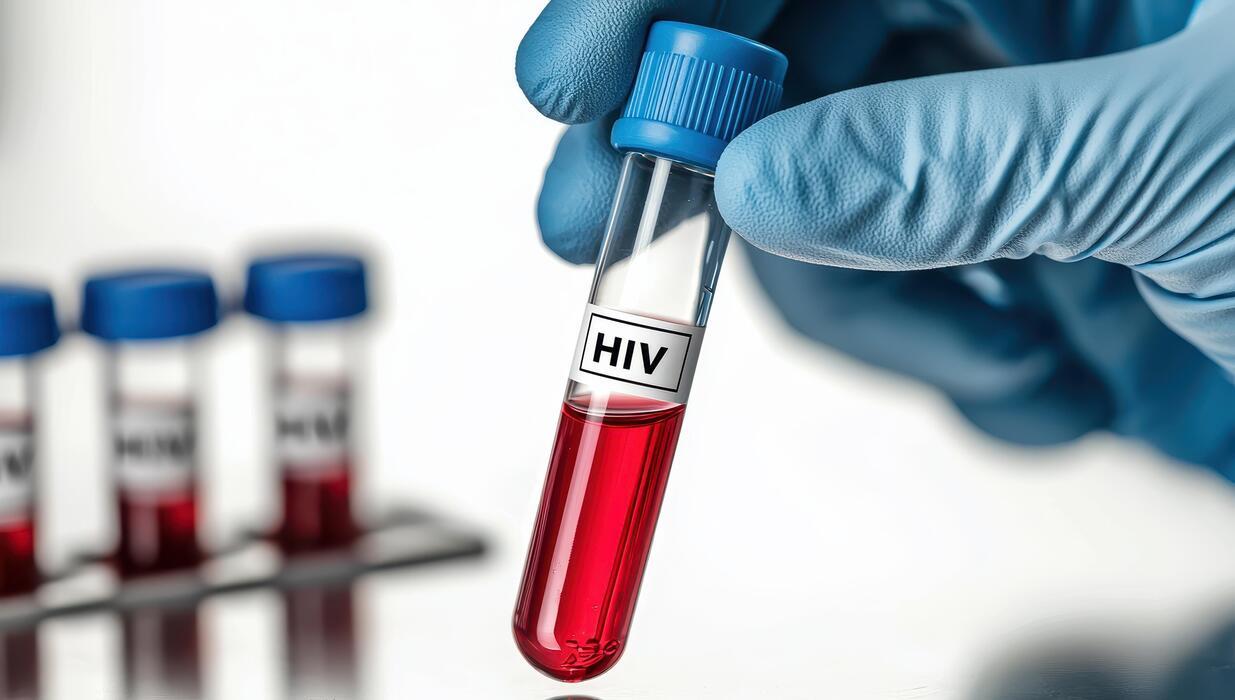
An HIV Blood Test is one of the most effective diagnostic tools for detecting Human Immunodeficiency Virus (HIV). Advances in laboratory technology have made HIV screening more accurate, reliable, and accessible, allowing healthcare providers to identify infection earlier than ever before. Despite these improvements, many people remain uncertain about what HIV screening involves, how the testing process works, and what happens after receiving the results.
Understanding each step of HIV Blood Test in Dubai helps reduce anxiety and encourages informed healthcare decisions. Whether you are taking an HIV Blood Test as part of a routine health check-up, following a possible exposure, during pregnancy, or for preventive healthcare, knowing what to expect makes the experience more comfortable and meaningful.
Understanding the Purpose of HIV Screening:
Before taking an HIV Blood Test, it is helpful to understand why screening is recommended.
HIV screening aims to detect infection before symptoms develop or before the immune system becomes significantly affected. Since HIV may remain without noticeable symptoms for months or even years, laboratory testing is the only reliable way to determine HIV status.
Routine HIV screening supports:
-
Early detection
-
Preventive healthcare
-
Timely medical intervention
-
Long-term immune health
-
Better treatment outcomes
-
Reduced risk of HIV transmission
Modern healthcare emphasizes early diagnosis because prompt treatment improves overall health and quality of life.
Knowing When You Should Consider Testing:
The decision to undergo an HIV Blood Test may be based on routine healthcare recommendations or specific life circumstances.
Healthcare providers commonly recommend testing:
During Routine Health Check-Ups:
Many adults include HIV screening as part of regular preventive healthcare.
After Possible HIV Exposure:
Individuals who believe they may have been exposed to HIV should seek medical advice promptly. Healthcare professionals determine the appropriate testing schedule based on the timing of exposure.
During Pregnancy:
Routine HIV testing during pregnancy supports maternal care and helps healthcare providers plan appropriate medical management.
Following Occupational Exposure:
Healthcare workers exposed to blood or body fluids may require HIV screening according to workplace safety guidelines.
Before Certain Medical Procedures:
Some healthcare providers include HIV screening as part of broader medical assessments.
Scheduling the HIV Blood Test:
Once testing is recommended, scheduling the appointment is usually straightforward.
Patients may undergo testing through:
-
Hospitals
-
Medical laboratories
-
Primary healthcare clinics
-
Preventive health screening programs
Healthcare professionals explain the testing process and answer questions before the appointment.
Preparing for the Test:
Most HIV Blood Tests require very little preparation.
Patients should:
-
Drink adequate water before the appointment
-
Wear clothing that allows easy access to the arm
-
Inform healthcare providers about recent exposure
-
Share relevant medical history
-
Discuss any medications being taken
Routine HIV Blood Tests generally do not require fasting unless additional blood investigations are ordered at the same visit.
Understanding the HIV Window Period:
Before testing, healthcare providers often explain the HIV window period.
The window period refers to the time between HIV exposure and when laboratory tests can reliably detect infection.
During this interval:
-
HIV antibodies may not yet be present.
-
Viral proteins may still be developing.
-
Test results may not accurately reflect recent infection.
Testing at the appropriate time improves the reliability of laboratory findings. If testing occurs too early, repeat screening may be recommended.
Blood Sample Collection:
The blood collection process is quick, safe, and performed by trained healthcare professionals.
The procedure typically includes:
Patient Identification:
Healthcare staff confirm personal information to ensure accurate laboratory reporting.
Skin Preparation:
The collection site is cleaned using an antiseptic solution.
Blood Collection:
A sterile, single-use needle is inserted into a vein, usually in the arm, and a small blood sample is collected into specialized laboratory tubes.
Completing the Procedure:
After removing the needle, gentle pressure is applied to the site to minimize bruising.
Most patients experience only mild discomfort that lasts a few seconds.
What Happens Inside the Laboratory?
Once the blood sample reaches the laboratory, several important processes take place.
Specimen Registration:
Laboratory personnel verify patient details and inspect the sample for quality.
Automated Testing:
Modern diagnostic analyzers detect HIV-related biological markers with a high degree of sensitivity and specificity.
Quality Assurance:
Accredited laboratories follow strict quality control procedures, including equipment calibration, standardized testing protocols, and professional review of all results.
These measures ensure dependable and consistent laboratory findings.
Understanding Different HIV Blood Tests:
Healthcare providers choose the most appropriate HIV Blood Test based on the clinical situation and the timing of possible exposure.
Antibody Tests:
These tests detect antibodies produced by the immune system after HIV infection.
Fourth-Generation Antigen and Antibody Tests:
Fourth-generation testing identifies both HIV antibodies and the p24 antigen, allowing earlier detection than antibody-only methods.
HIV RNA Tests:
These specialized tests detect viral genetic material and are used in selected clinical circumstances when very early infection is suspected.
Each testing method plays a valuable role in accurate HIV diagnosis.
Receiving Your Test Results:
After laboratory analysis is complete, healthcare providers review and explain the results.
Possible outcomes include:
Non-Reactive Result:
A non-reactive result generally means that HIV was not detected. However, if testing occurred during the window period, repeat testing may be recommended.
Reactive Screening Result:
A reactive screening result indicates that HIV-related markers were detected. Additional confirmatory laboratory testing is required before a diagnosis is established.
Indeterminate Result:
Occasionally, results are inconclusive. Further laboratory evaluation helps clarify the findings.
Healthcare professionals always interpret results alongside medical history and possible exposure.
Why Confirmatory Testing Matters?
A reactive screening result is not considered a final diagnosis.
Confirmatory testing:
-
Verifies initial findings
-
Improves diagnostic accuracy
-
Reduces the possibility of false-positive results
-
Supports evidence-based clinical decisions
Following established diagnostic protocols ensures that every diagnosis is made with the highest level of confidence.
Planning the Next Steps:
After receiving laboratory results, healthcare providers discuss any recommended follow-up care.
Depending on the outcome, this may include:
-
Routine future HIV screening
-
Repeat testing after the window period
-
Additional laboratory investigations
-
Preventive healthcare counseling
-
Referral for specialized medical evaluation if necessary
Every patient's care plan is tailored to their individual health circumstances.
Common Mistakes to Avoid During HIV Screening:
Understanding the testing process helps avoid common errors.
Waiting for Symptoms:
HIV often develops without noticeable symptoms during the early stages.
Testing Too Early:
Testing before the window period has passed may reduce the reliability of results.
Ignoring Follow-Up Recommendations:
Repeat or confirmatory testing is sometimes necessary for accurate diagnosis.
Assuming One Test Covers Future Risk:
Healthcare providers may recommend regular HIV screening depending on individual health history and ongoing risk factors.
Avoiding these mistakes helps ensure accurate testing and informed healthcare decisions.
Benefits of Following a Structured HIV Screening Process:
A well-organized screening process offers many advantages.
Regular HIV Blood Tests support:
-
Early diagnosis
-
Improved immune health monitoring
-
Better treatment planning
-
Reduced health complications
-
Increased confidence in laboratory results
-
Preventive healthcare
-
Long-term wellness
Following each step carefully helps maximize the value of HIV screening.
Frequently Asked Questions:
Does an HIV Blood Test require fasting?
Routine HIV Blood Tests generally do not require fasting unless additional laboratory investigations are scheduled.
Is blood collection painful?
Most individuals experience only brief and mild discomfort during blood collection.
How accurate are modern HIV Blood Tests?
Modern laboratory methods, particularly fourth-generation antigen and antibody tests, provide excellent diagnostic accuracy when performed at the appropriate time.
Why might repeat testing be recommended?
Repeat testing may be advised if the initial HIV Blood Test was performed during the window period or if additional confirmation is clinically appropriate.
Can I request HIV screening during a routine health check-up?
Yes. Many healthcare providers include HIV screening as part of comprehensive preventive healthcare.
Conclusion:
An HIV Blood Lab tests is a straightforward, accurate, and scientifically advanced method of detecting Human Immunodeficiency Virus. Understanding the screening journey—from deciding to get tested and preparing for the appointment to laboratory analysis, result interpretation, and follow-up care—helps individuals approach the process with greater confidence. Modern HIV screening combines advanced diagnostic technology, rigorous laboratory quality standards, and evidence-based medical protocols to provide reliable results.
Whether performed as part of routine preventive healthcare, after a possible exposure, during pregnancy, or for another medical reason, following each step of the HIV screening process supports early detection, informed medical decisions, and better long-term health outcomes. Taking a proactive approach to HIV testing is an important step toward protecting both personal health and overall well-being.
 English
Join our community to interact with posts!