
Modern electrical engineering demands high performance, structural integrity, and exceptional safety across power distribution networks. As urban centers expand, rural grids modernize, and commercial infrastructure grows increasingly complex, the choice of wiring components plays a pivotal role in operational success. Among the various transmission materials available today, the concentric cable stands out as a sophisticated engineering solution designed to handle diverse environmental and electrical demands. By housing multiple functional layers within a unified geometry, this specialized cable continues to transform how electrical energy travels from substations to end-users.
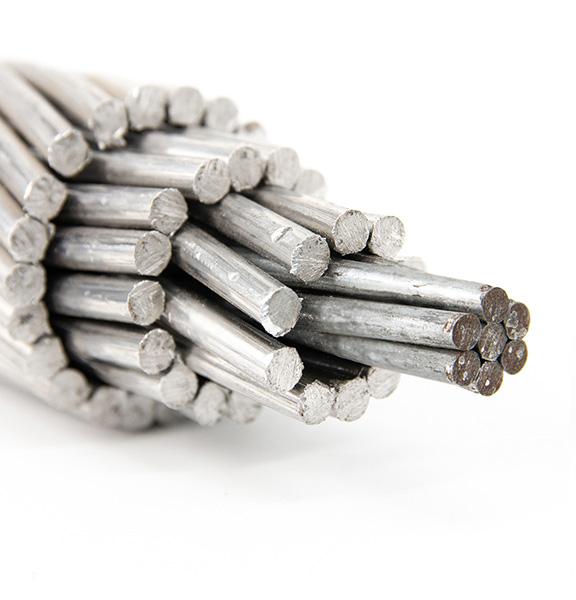
To fully appreciate the value of a concentric cable, one must examine its intricate architectural layout. Unlike conventional multi-conductor wires that bundle separate insulated lines loosely together, a concentric cable features a distinct centralized core conductor. This core, typically manufactured from high-grade copper or premium aluminum, acts as the primary phase or live path for electrical current. Surrounding this core is a robust layer of advanced insulation—often crafted from cross-linked polyethylene or polyvinyl chloride—which prevents electrical leakage and withstands substantial thermal stress. Wrapped helically around this insulated core lies a secondary layer of smaller metallic wires arranged in a precise, concentric pattern. These surrounding strands function collectively as the neutral or grounding return path. Encapsulating the entire assembly is a tough outer protective jacket that shields the internal components from moisture, ultraviolet radiation, and mechanical abrasion.
The engineering rationale behind the concentric cable configuration addresses several persistent challenges in power transmission. In traditional wiring setups, separate phase and neutral paths can create wider electromagnetic fields and leave individual lines vulnerable to external interference or unauthorized tapping. Because the neutral wires of a concentric cable completely encircle the inner core, they create an inherent shielding effect. This configuration drastically reduces electromagnetic interference, ensuring that sensitive surrounding electronics and communication lines operate without disruption. Furthermore, the close physical proximity of the neutral layer to the live core ensures rapid, predictable fault clearance and stable impedance characteristics when system irregularities occur.
Global utility providers, municipal planners, and industrial contractors routinely specify the concentric cable for a wide array of deployment scenarios. In public power distribution, these cables serve as reliable service drop lines, bridging utility poles to residential and commercial meters. Their structural resilience makes them equally suitable for underground direct burial networks, where subterranean moisture, shifting soils, and pressure pose constant threats to lesser materials. Municipalities upgrading their grids frequently turn to aluminum-based configurations of the concentric cable to manage large-scale power loads across expansive geographic zones without incurring prohibitive material costs. Moreover, industrial facilities, manufacturing plants, and renewable energy integration projects—such as solar farms and wind turbine arrays—rely heavily on these cables to maintain steady current delivery under fluctuating load profiles.
Proper implementation and handling procedures are vital to maximizing the operational lifespan of any concentric cable installation. Because the outer layer consists of fine neutral strands, field technicians must exercise care during pulling, stripping, and termination processes to avoid nicking or distorting the individual wires. Whether strung overhead between poles or laid carefully within protective subterranean conduits, maintaining correct tensioning and adhering to minimum bending radius guidelines preserves the integrity of both the core and the surrounding shield. Procurement specialists and electrical engineers seeking top-tier infrastructure components often source certified options from established manufacturers like HNBF Power, ensuring that every batch meets rigorous international quality standards for safety and conductivity.
The evolution of modern grids relies heavily on components that combine electrical efficiency with physical resilience. The concentric cable bridges the gap between high-capacity power transmission and long-term structural durability. By streamlining the path for both phase and neutral currents into a single, cohesive profile, power networks achieve greater stability, reduced transmission losses, and enhanced protection against environmental and mechanical hazards.
Final Thoughts
Investing in high-quality infrastructure remains paramount for electrical contractors, utility providers, and industrial developers striving for uninterrupted power delivery. The concentric cable continues to prove its worth as a cornerstone of electrical distribution, offering a reliable, structurally sound alternative to standard wiring methods. Selecting superior-grade materials from trusted industry sources guarantees that power grids will operate safely, efficiently, and resiliently for decades to come.
 English
Join our community to interact with posts!