
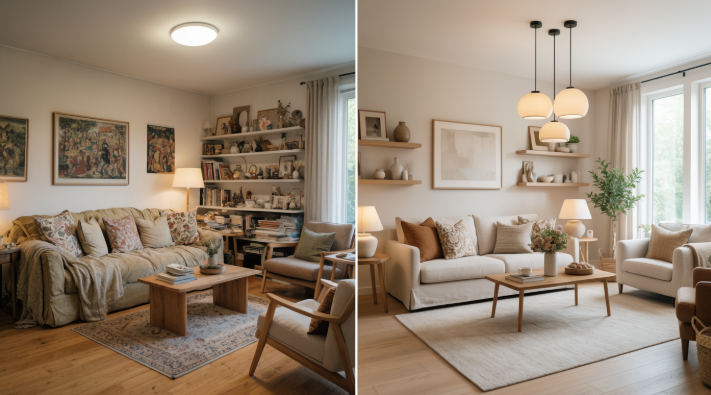
Designing a home is an exciting milestone, whether you are setting up a brand-new luxury villa or refreshing a contemporary apartment. However, turning a space into a functional, aesthetically pleasing sanctuary requires careful planning. Many homeowners, eager to complete their interiors, fall into common design traps that end up compromising both daily comfort and long-term property value. Understanding these mistakes—and knowing how to avoid them—can save you significant time, stress, and expense.
Here are nine critical interior design mistakes every homeowner should stay away from:
1. Neglecting Spatial Scale and Furniture Proportion
One of the most frequent errors is selecting furniture based solely on appearance without accurately measuring the room. Placing massive, oversized sofas in a compact living room makes the area feel cramped and restricts foot traffic. Conversely, placing undersized furniture in a spacious villa layout makes the room feel sparse and uninviting. Always measure your floor plan and maintain visual balance.
2. Overlooking a Layered Lighting Scheme
Relying on a single bright ceiling light is a quick way to flatten a room's atmosphere. A well-designed room requires three layers of light: ambient (overall illumination), task (reading or cooking lights), and accent (highlighting artwork or architectural features). Incorporating modern ceiling features and recessed fixtures creates depth and warmth.
3. Choosing Aesthetics Over Functional Durability
It is easy to fall in love with delicate fabrics or porous floor tiles featured in luxury design magazines. However, in high-traffic homes, choosing impractical materials leads to early wear and tear. High-moisture areas like kitchens and bathrooms demand water-resistant, durable finishes like SPC flooring or porcelain tiles rather than delicate natural materials.
4. Hanging Artwork and Mirrors at Incorrect Heights
A common mistake in wall decoration is hanging paintings or mirrors too high. Art should ideally be hung at eye level—typically around 57 to 60 inches from the floor to the center of the frame. When hanging art above furniture, it should anchor the piece rather than float awkwardly near the ceiling.
5. Pushing All Furniture Against the Walls
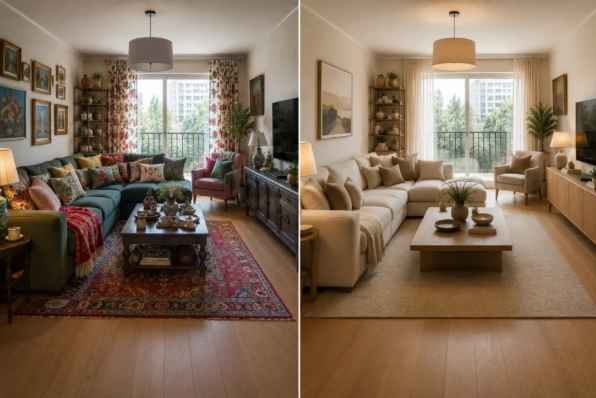
Many homeowners believe pushing all seating against the perimeter creates more space. In reality, this leaves a wide, empty dead zone in the middle of the room. Floating furniture slightly off the walls creates intimate conversation zones and improves natural movement throughout the home.
6. Ignoring the Importance of Quality Wall Treatments
Focusing entirely on furniture while leaving structural walls bare or improperly finished detracts from the entire interior aesthetic. Using low-grade paint or poor wall treatments leads to peeling and uneven light reflection over time. Investing in proper wall preparation and high-durability coatings protects your surfaces while elevating room ambiance. Working with experienced specialists through an established interior company in Qatar ensures every wall, partition, and finish aligns seamlessly with your overall vision.
7. Misunderstanding Architectural Principles
Interior spaces must adhere to foundational rules of geometry, lighting dynamics, and structural flow. Understanding key architectural standards helps in organizing zones effectively. For a deeper understanding of spatial ergonomics and building standards, you can explore Wikipedia's Interior Architecture Standards.
8. Over-Decorating and Cluttering
A beautiful room needs breathing space. Filling every corner, shelf, and tabletop with decorative accents creates visual confusion and makes maintenance difficult. Curate your decor thoughtfully, leaving empty space to allow key focal points to stand out.
9. Rushing the Design Process Without a Unified Plan
Buying decor piecemeal without a clear design concept results in a mismatched home. Before making major purchases, establish a cohesive theme, color palette, and budget. Taking a structured, step-by-step approach saves you from costly revisions down the line. To plan your project efficiently from concept to final handover, review comprehensive packages and guidance through this interior design in Qatar guide to execute your vision smoothly.
 English
Join our community to interact with posts!