
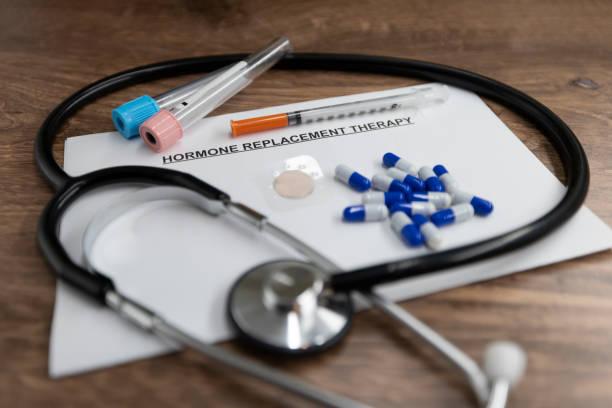
Hormonal decline is one of those things that sneaks up on you. One year you feel fine, and then somewhere in your mid-40s or early 50s, the sleep goes sideways, the mood gets unpredictable, and the energy you used to take for granted just isn't there anymore. A lot of people in that position start hearing about Hormone Replacement Therapy in Cape Coral, FL and wonder if it's actually worth doing, or if it's just trading one set of problems for another. Honest answer? It depends. But the factors it depends on are pretty specific, and understanding them makes the decision a lot less scary than the internet tends to make it look.
What HRT Actually Does
Hormone replacement therapy works by restoring hormones that your body has started producing less of. For women, that usually means estrogen and progesterone, and sometimes testosterone. For men, it's mostly testosterone, though thyroid hormone levels can also be part of the picture for both sexes. The goal isn't to make you feel 25 again. It's to bring your levels back into a range where your body can function the way it's supposed to.
Perimenopause and menopause are the most common entry points for women. Symptoms like hot flashes, night sweats, brain fog, and vaginal dryness are directly tied to dropping estrogen. Andropause, the male equivalent, gets talked about less, but low testosterone in men causes real problems too: fatigue, low libido, mood shifts, and muscle loss. These aren't personality quirks. They're physiological.
Worth knowing: HRT doesn't work the same for everyone, and it's not meant to be a lifetime commitment for most people. A lot of providers start with a short trial period to see how your body responds before making longer-term decisions.
The Real Benefits (Not the Marketing Version)
Let's talk about what the research actually shows. Strong evidence supports HRT for reducing hot flashes and night sweats, improving sleep quality, and protecting bone density, which matters a lot because osteoporosis risk climbs sharply after menopause. There's also solid data on mood stabilization. Not mood as a vague concept, but measurable reductions in anxiety and depressive symptoms tied directly to hormonal shifts.
Energy and libido improvements are real too, though they vary more from person to person. Some people notice a difference within a few weeks. Others take two or three months to feel a meaningful shift. Weight management is trickier. HRT can help with the hormonal component of weight gain, particularly the kind tied to metabolic slowdown and insulin sensitivity changes, but it's not a standalone fix for diet and activity issues.
The National Institute of Child Health and Human Development's overview of menopause treatments confirms that HRT remains one of the most studied and effective options for managing menopause symptoms, particularly in women who start treatment within ten years of their last period.
The Risks, Explained Honestly
Here's where it gets complicated. A lot of the fear around HRT comes from a 2002 Women's Health Initiative study that linked hormone therapy to increased breast cancer and cardiovascular risk. That study scared a generation of women and doctors away from HRT. But the findings have been significantly reinterpreted since then.
The original study used older synthetic hormones, primarily oral conjugated equine estrogen combined with synthetic progestin, in women who were already well past menopause, many of them in their 60s and 70s. The risks identified were largely tied to that specific combination in that specific population. Younger women, especially those who start HRT closer to the onset of menopause, don't show the same risk profile. That context gets dropped in most casual conversations about HRT safety.
That said, real contraindications do exist. Women with a history of hormone-sensitive cancers, blood clots, stroke, or uncontrolled cardiovascular disease are generally not good candidates. Anyone considering HRT should have a full health history reviewed before starting. This isn't a category of treatment you want to guess at.
Modern Options vs. Older Approaches
The HRT available now looks pretty different from what was being prescribed twenty years ago. Bioidentical hormones, which are structurally identical to the hormones your body produces naturally, have become much more widely used. They're available in different forms: patches, creams, gels, oral tablets, and pellets inserted under the skin. Each delivery method has its own absorption profile and suits different lifestyles.
Pellets, for example, release hormones steadily over three to six months, which some people prefer because it avoids the daily routine of creams or patches. Transdermal options (patches and creams) bypass the liver, which is generally considered a lower-risk route compared to oral forms, especially for cardiovascular considerations. The best fit depends on your symptoms, your health history, and honestly, your daily habits.
If you're looking at the best hormone replacement therapy in Cape Coral, FL, you'll want a provider who does comprehensive lab work upfront rather than guessing at dosing. Generic protocols don't work well here. Hormones are personal.
Beauty Body Weight Loss Clinic is one option people in the Cape Coral area use for this kind of individualized hormone work, with a focus on lab-based assessments before any treatment plan is put together.
Questions Worth Asking Before You Start
Going into a provider consultation without specific questions is a mistake. You'll leave with a prescription but not necessarily with understanding. So here's a short list worth bringing with you.
-
What labs will you run before recommending a protocol, and what are you looking for?
-
Are you recommending bioidentical or synthetic hormones, and why?
-
What delivery method are you recommending for my situation, and what are the alternatives?
-
How long before I should expect to notice a difference?
-
How often will we retest and adjust?
-
What are the specific risks given my personal health history, not just general population risk?
A good provider will answer all of these without rushing you. If they can't, or won't, that's useful information too. This is your health and you're allowed to ask.
So, Is It Worth It?
For people who are genuinely dealing with hormonal decline, the answer is often yes. Not because HRT is a magic fix, but because untreated hormonal imbalance has its own costs: poor sleep, mood instability, bone loss, reduced quality of life. Those aren't small things. Hormone Replacement Therapy in Cape Coral, FL, done properly with good lab work and a provider who actually monitors your progress, carries a very different risk profile than the horror stories from two decades ago suggest.
The best hormone replacement therapy in Cape Coral, FL is the kind that's built around your specific numbers, your symptoms, and your health history, not a one-size protocol pulled off a shelf. That's the version worth considering. And that's the conversation worth having with a qualified provider before making any decisions either way.
Frequently Asked Questions
How long does it take for HRT to start working?
Most people notice some changes within four to six weeks, but a full picture usually takes two to three months. Sleep and hot flashes tend to improve first. Mood and energy can take a bit longer to stabilize, and libido improvements sometimes come last. Your provider should set realistic expectations upfront.
Is bioidentical HRT safer than synthetic?
Bioidentical hormones are structurally identical to what your body makes, which is why many providers prefer them. But "bioidentical" isn't automatically synonymous with risk-free. The delivery method, dosing, and your personal health history all factor in. It's not a simple comparison, and anyone who tells you bioidentical means zero risk is oversimplifying.
Can men benefit from hormone replacement therapy?
Yes. Low testosterone in men is a real clinical condition, not just a lifestyle complaint. Symptoms include fatigue, reduced muscle mass, low libido, and mood changes. Testosterone replacement therapy, a form of HRT, can address these directly when levels are confirmed low through lab testing. Not every tired 50-year-old needs it, but some genuinely do.
Do I have to stay on HRT forever once I start?
No. Most providers treat HRT as something that can be tapered or stopped based on how your symptoms and lab work evolve. Some people use it for a few years through the worst of menopause and then transition off. Others continue longer for bone density or quality-of-life reasons. It's a conversation, not a lifetime sentence.
What should I look for in a provider who offers HRT?
Look for someone who orders comprehensive hormone panels before prescribing anything, who talks through your full health history, and who follows up with retesting rather than just setting a dose and disappearing. Providers who offer a single protocol to everyone, without lab work, are worth avoiding. Personalization is the whole point.
 English
Join our community to interact with posts!