
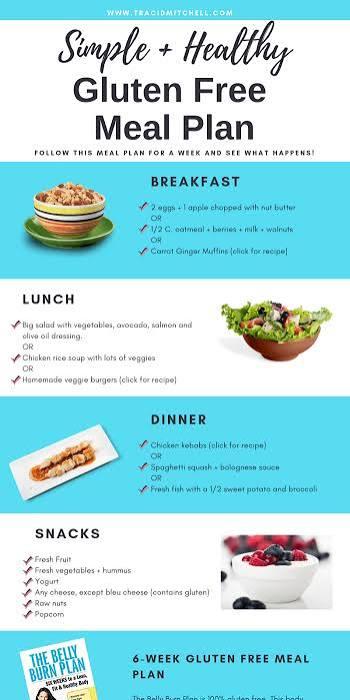
Following a gluten-free diet does not mean your meals have to be limited or repetitive. A well-planned gluten-free diet can include a wide variety of fruits, vegetables, proteins, healthy fats, and naturally gluten-free grains. The key is knowing how to combine these foods into meals that are satisfying, practical, and enjoyable.
Whether you are new to gluten-free eating or want to improve your current routine, building a balanced meal plan can make everyday food choices much easier.
Understand the Basics of a Balanced Meal
A balanced meal usually includes several different food groups. Instead of focusing only on removing gluten, think about what you can add to your plate.
A simple meal can include a protein source, vegetables or fruit, a gluten-free carbohydrate, and a source of healthy fat. For example, grilled chicken with brown rice, roasted vegetables, and avocado can make a satisfying combination.
This approach gives you more variety and helps prevent your gluten-free diet from becoming overly focused on packaged substitute products.
1. Choose Naturally Gluten-Free Carbohydrates
Carbohydrates can still be an important part of a gluten-free meal plan. Rice, potatoes, sweet potatoes, quinoa, buckwheat, millet, and certified gluten-free oats are useful options.
Try rotating different choices throughout the week. You might have oatmeal for breakfast, rice at lunch, and roasted potatoes with dinner.
When buying packaged grains or oats, check the label carefully, especially if you need to avoid gluten strictly.
2. Add a Good Protein Source
Protein can help make meals more satisfying. Options include eggs, chicken, turkey, fish, lean meat, beans, lentils, tofu, nuts, and seeds.
Try to include different protein sources throughout the week rather than relying on just one. For example, you could have eggs for breakfast, a chicken salad for lunch, and baked fish with vegetables for dinner.
Fresh, minimally processed foods are often simple choices, but packaged or prepared products should be checked for gluten-containing ingredients.
3. Fill Your Plate With Vegetables and Fruit
Fruits and vegetables add color, flavor, and variety to your meals. Try to include several different types throughout the week.
Leafy greens, broccoli, carrots, peppers, tomatoes, berries, apples, oranges, and bananas can all be used in different meals and snacks.
Fresh produce can be eaten raw, roasted, steamed, blended into smoothies, or added to soups and salads. Using different preparation methods can keep familiar ingredients interesting.
4. Include Healthy Fats
Healthy fats can add flavor and make meals more satisfying. Avocados, nuts, seeds, olive oil, and suitable nut or seed butters are easy additions.
For example, add avocado to a rice bowl, use olive oil when roasting vegetables, or sprinkle seeds over yogurt or a salad.
Portion sizes and individual nutritional needs vary, so focus on creating meals that suit your personal routine rather than following a rigid formula.
5. Plan Meals Around Your Schedule
A meal plan works best when it matches your lifestyle. If you know you have busy evenings, choose quick meals for those days.
You can prepare rice, vegetables, or protein in advance and combine them in different ways throughout the week. This reduces cooking time and makes it easier to stick to your plan.
A gluetenfreemealplan can help you organize meals, create shopping lists, and decide which ingredients can be used in multiple dishes.
6. Keep Snacks Simple
Snacks can also fit into a balanced gluten-free routine. Fresh fruit, yogurt, nuts, seeds, vegetables with hummus, or suitable gluten-free snacks can provide convenient options.
Keep a few easy choices available at home or when you are away from home. If you buy packaged foods, read the ingredient label and look for appropriate gluten-free labeling when needed.
7. Make Your Plan Flexible
A good meal plan should guide you rather than control you. Plans can change when your schedule changes, so allow yourself some flexibility.
Keep a few simple backup meals available, such as eggs with vegetables, rice bowls, or soup. You can also swap ingredients based on what is available or on sale.
If you need a strict gluten-free diet for celiac disease, pay close attention to cross-contact during shopping, cooking, and food storage. A healthcare professional or registered dietitian can also help with individual nutritional needs.
Build a Routine That Lasts
Creating a balanced gluten-free meal plan becomes easier with practice. Focus on naturally gluten-free foods, include variety, prepare ingredients ahead of time, and choose recipes that fit your everyday schedule.
Using a gluetenfreemealplan can give you a useful framework for organizing meals without making food preparation complicated.
The goal is not to create a perfect menu. Instead, build a realistic routine that helps you enjoy a variety of nutritious foods while confidently avoiding gluten when necessary. With simple planning and a little creativity, gluten-free meals can be both balanced and delicious.
 English
Join our community to interact with posts!