
Planning meals for a family can already be a busy job. When one or more family members follow a gluten-free diet, choosing recipes, checking ingredients, and preparing meals can require a little extra attention. The good news is that gluten-free family meals do not have to be complicated.
With simple planning and a flexible approach, you can prepare meals that are enjoyable for everyone while keeping gluten-free needs in mind. The following tips can help make weekly meal planning easier and less stressful.
Start With Family Favorites
You do not need to completely change your family's eating habits. Start by making a list of meals everyone already enjoys and identify which ones can easily be prepared gluten-free.
Grilled chicken with rice and vegetables, baked potatoes with toppings, homemade soups, omelets, and rice bowls are examples of simple meals that can work well for the whole family.
Starting with familiar foods makes the transition easier, especially for children who may be hesitant to try unfamiliar ingredients.
Create a Weekly Meal Schedule
Choose your meals before going grocery shopping. A simple seven-day schedule can help you know exactly what ingredients you need.
You do not have to prepare a different meal every night. Cook larger portions when practical and use leftovers for lunch or another dinner. For example, roasted chicken can be served with vegetables one evening and added to rice bowls the next day.
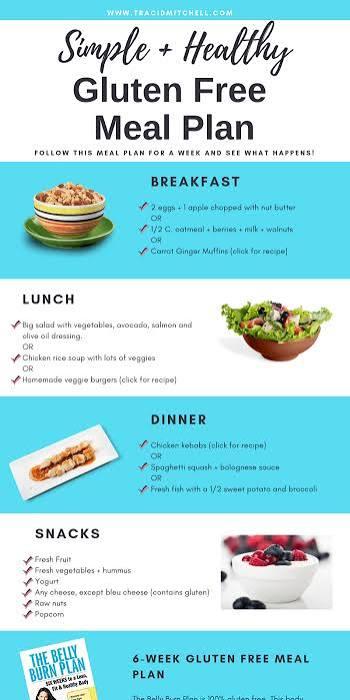
A gluetenfreemealplan can help organize breakfast, lunch, dinner, snacks, and the grocery list in one place.
Keep Naturally Gluten-Free Foods Available
Many everyday foods are naturally gluten-free. Stock your kitchen with fruits, vegetables, eggs, rice, potatoes, beans, lentils, fresh meat, poultry, and fish.
These ingredients can be combined in countless ways. Keeping a selection of basic foods available means you can prepare a quick meal even when your schedule changes.
When buying packaged foods, always check ingredient labels and look for appropriate gluten-free labeling when necessary.
Prepare Meals Together
Meal planning can become a family activity. Children can help choose vegetables, wash produce, organize ingredients, or select a dinner for the week.
Getting everyone involved can make healthy food more interesting and teach children useful kitchen skills. It also gives family members an opportunity to share their preferences before the weekly menu is finalized.
Keep tasks age-appropriate and supervise children around knives, hot surfaces, ovens, and other kitchen equipment.
Prepare Ingredients Ahead of Time
You do not need to cook every meal in advance. Instead, prepare a few ingredients that can be used throughout the week.
Cook a batch of rice, wash and chop vegetables, prepare a protein, or make a large pot of soup. Store foods safely so they are ready when needed.
Having ingredients prepared can make busy evenings much easier and reduce the temptation to rely on last-minute meals.
Keep Quick Meals for Busy Days
Some days are naturally more hectic than others. Plan simple meals for those days rather than choosing complicated recipes.
Eggs with vegetables, rice bowls, baked potatoes, tacos with suitable gluten-free tortillas, and simple soups can be prepared relatively quickly.
Keeping a few convenient gluten-free ingredients in your pantry and freezer can also provide useful backup options.
Pay Attention to Cross-Contact
If a family member has celiac disease or needs to avoid gluten strictly, preventing cross-contact is an important part of meal preparation.
Gluten-free foods can come into contact with gluten-containing foods through shared cutting boards, utensils, toasters, cooking surfaces, or storage containers. Use appropriate separate or thoroughly cleaned equipment and check packaged foods carefully.
When preparing meals for several people, it can be helpful to make the entire meal gluten-free rather than preparing separate versions whenever practical.
Make Snacks Easy to Find
Family members often need snacks between meals, so keep suitable options available. Fresh fruit, yogurt, vegetables with hummus, nuts, seeds, and appropriate gluten-free packaged snacks can all be convenient choices.
Portioning snacks ahead of time can make busy afternoons easier, especially when children have school, activities, or sports.
Keep Your Plan Flexible
A meal plan should make family life easier, not add pressure. If plans change, simply move meals to another day.
A gluetenfreemealplan can provide structure while still leaving room for leftovers, unexpected events, and family preferences.
The most important thing is to create a routine that works for your household. Keep meals simple, involve the family, plan ahead, and focus on foods everyone can enjoy. With practice, gluten-free meal planning can become a natural part of your family's weekly routine.
 English
Join our community to interact with posts!