
Proper aftercare is an important part of maintaining a tooth after dental treatment. Root Canal Treatment in Dubai can remove infected pulp and help preserve a natural tooth, but the treated tooth still needs appropriate care during recovery. A professional Dental Clinic in Dubai can provide personalized instructions based on the condition of your tooth and the restoration used.
Some patients experience mild tenderness after root canal therapy, while others feel little discomfort. Knowing what to expect and following your dentist's recommendations can help protect the treated tooth and support a smooth recovery.
What Happens After Root Canal Treatment?
After root canal therapy, the treated tooth may feel slightly different for a short period. Mild tenderness can occur because the tissues around the tooth may have been affected by the original infection and the treatment itself.
The discomfort generally improves as the area recovers. Your dentist may provide specific instructions regarding eating, brushing, medication, and the timing of your final restoration.
The recovery experience can vary depending on the severity of the original infection and the complexity of the treatment.
Is Pain Normal After Root Canal Treatment?
Mild discomfort or tenderness can occur following treatment. The tooth may feel sensitive when biting, especially during the initial recovery period.
However, severe or worsening pain should not be ignored. Increasing swelling or significant discomfort may require professional assessment.
If symptoms do not improve as expected, contact your dental professional for guidance.
How Should You Eat After Treatment?
Your dentist may recommend avoiding hard or sticky foods on the treated tooth until the permanent restoration is placed.
Soft foods can be easier to manage immediately after treatment, particularly if the area remains tender.
Avoid biting directly on a tooth that has only received a temporary restoration. A weakened tooth may be more vulnerable to fracture before its final restoration is completed.
Once your dentist confirms that the tooth is properly restored, you can generally return to your normal eating habits.
Should You Continue Brushing Your Teeth?
Yes. Maintaining oral hygiene is important after root canal therapy.
Continue brushing your teeth twice daily with fluoride toothpaste. Clean between your teeth regularly to reduce plaque buildup around the treated tooth and neighboring teeth.
Be gentle around any area that feels tender, but do not stop cleaning the tooth unless your dentist specifically advises you to do so.
What About Flossing?
Cleaning between the teeth helps remove food particles and plaque that brushing alone cannot reach.
If the treated tooth has a temporary restoration, follow your dentist's instructions for cleaning around it.
If you are uncertain about how to floss around the treated area, ask your dental professional for guidance.
Why Is the Final Restoration Important?
Root canal therapy treats the infection inside the tooth, but the tooth may remain structurally vulnerable afterward.
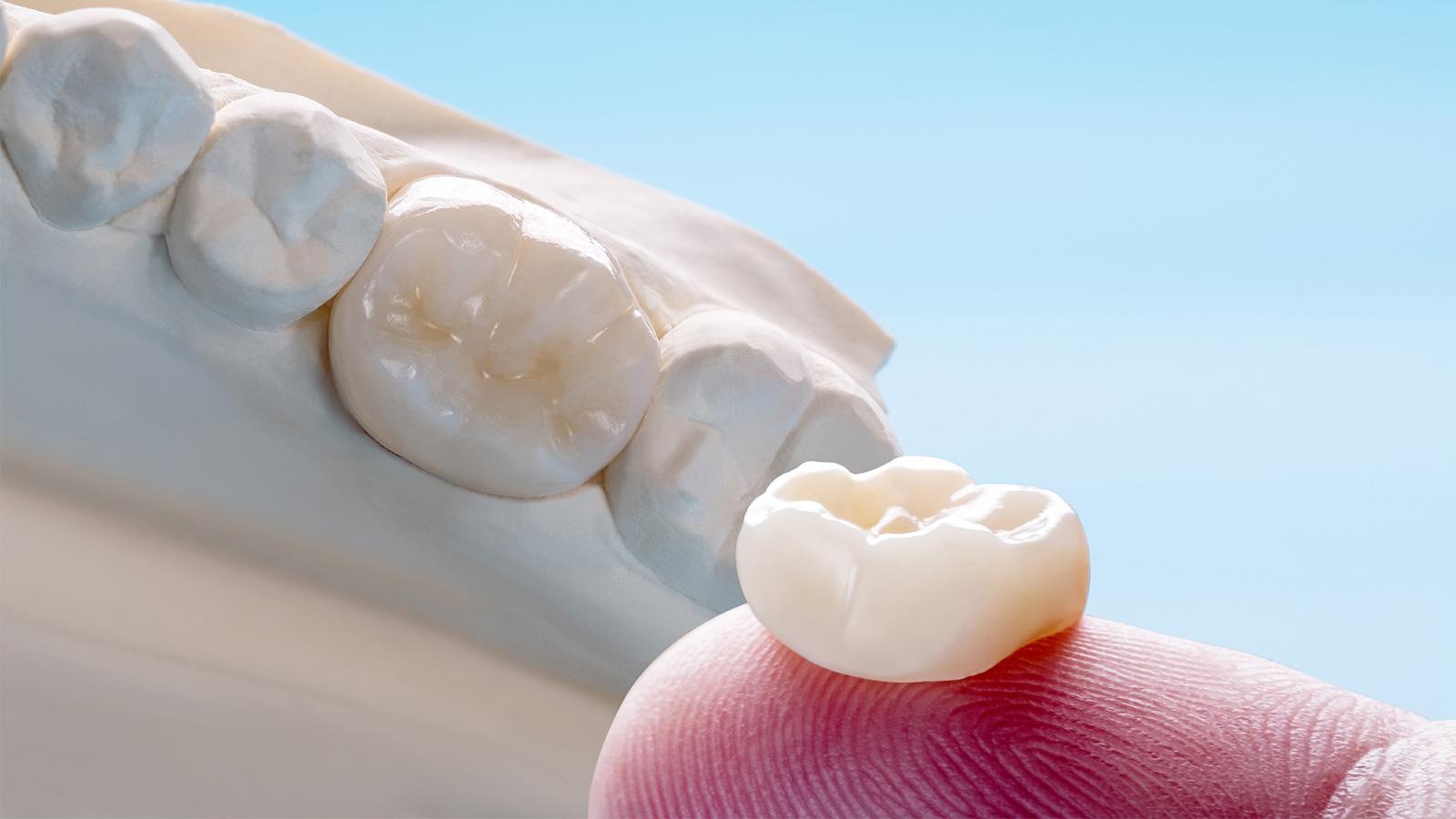
A filling may be sufficient in some situations, while a dental crown may be recommended when significant tooth structure has been lost.
The final restoration helps protect the tooth during normal chewing and can reduce the risk of fracture.
Completing this stage of treatment is therefore an important part of long-term care.
How Long Does Recovery Take?
Recovery time varies from patient to patient.
Some people experience minimal tenderness, while others may notice sensitivity for several days.
The severity of the original infection, the condition of the tooth, and the complexity of the root canal system can influence the recovery experience.
Your dentist can provide more specific guidance based on your individual treatment.
What Should You Avoid During Recovery?
Until the permanent restoration is completed, avoid placing unnecessary pressure on the treated tooth.
Do not chew ice, hard sweets, pens, or other hard objects. These habits can increase the risk of damaging the tooth.
It is also important not to use your teeth to open packages or bite non-food items.
Protecting the tooth during recovery can help reduce the possibility of fractures.
When Should You Contact Your Dentist?
Mild tenderness can be expected, but certain symptoms require professional attention.
Contact your dentist if you experience severe pain, increasing swelling, persistent discomfort that does not improve, or problems with the temporary restoration.
A dental professional can determine whether the symptoms are part of normal recovery or whether additional treatment is needed.
Can a Treated Tooth Get Infected Again?
Although root canal treatment is designed to remove infection and seal the internal canal system, a treated tooth can sometimes develop problems later.
Reinfection may occur if bacteria enter the tooth because of a damaged restoration, new decay, or other issues.
Maintaining good oral hygiene and attending routine dental examinations can help protect the treated tooth.
How Can You Protect Your Treated Tooth Long Term?
Good oral hygiene is essential for maintaining the treated tooth.
Brush twice daily with fluoride toothpaste and clean between your teeth regularly.
Attend routine dental checkups so your dentist can monitor the treated tooth and surrounding teeth.
Avoid excessive biting forces and address habits such as teeth grinding with your dentist if necessary.
A properly maintained restoration can help the treated tooth remain functional for many years.
Can You Return to Normal Activities?
Many patients can return to their normal daily activities relatively soon after root canal treatment.
However, your dentist may recommend temporary dietary restrictions or other precautions depending on the treatment and restoration.
Follow the specific instructions provided by your dental professional rather than relying only on general advice.
Why Are Follow-Up Visits Important?
Follow-up appointments allow your dentist to evaluate the treated tooth and confirm that the restoration is functioning properly.
These visits may also provide an opportunity to identify signs of reinfection, cracks, or other dental problems.
Regular professional care is particularly important if the tooth had a severe infection before treatment.
How Can You Prevent Future Dental Problems?
Preventive care can reduce the risk of new cavities and infections.
Brush twice daily, clean between your teeth, and attend regular dental examinations.
Limit frequent sugary foods and drinks to reduce the risk of tooth decay.
If you play contact sports, consider using an appropriate mouthguard to protect your teeth from injury.
Final Thoughts
Root Canal Treatment in Dubai can help preserve a natural tooth affected by infection or severe pulp damage, but proper recovery and aftercare are essential. Mild tenderness may occur after treatment, and protecting the tooth until its final restoration can help reduce the risk of complications.
 English
Join our community to interact with posts!