
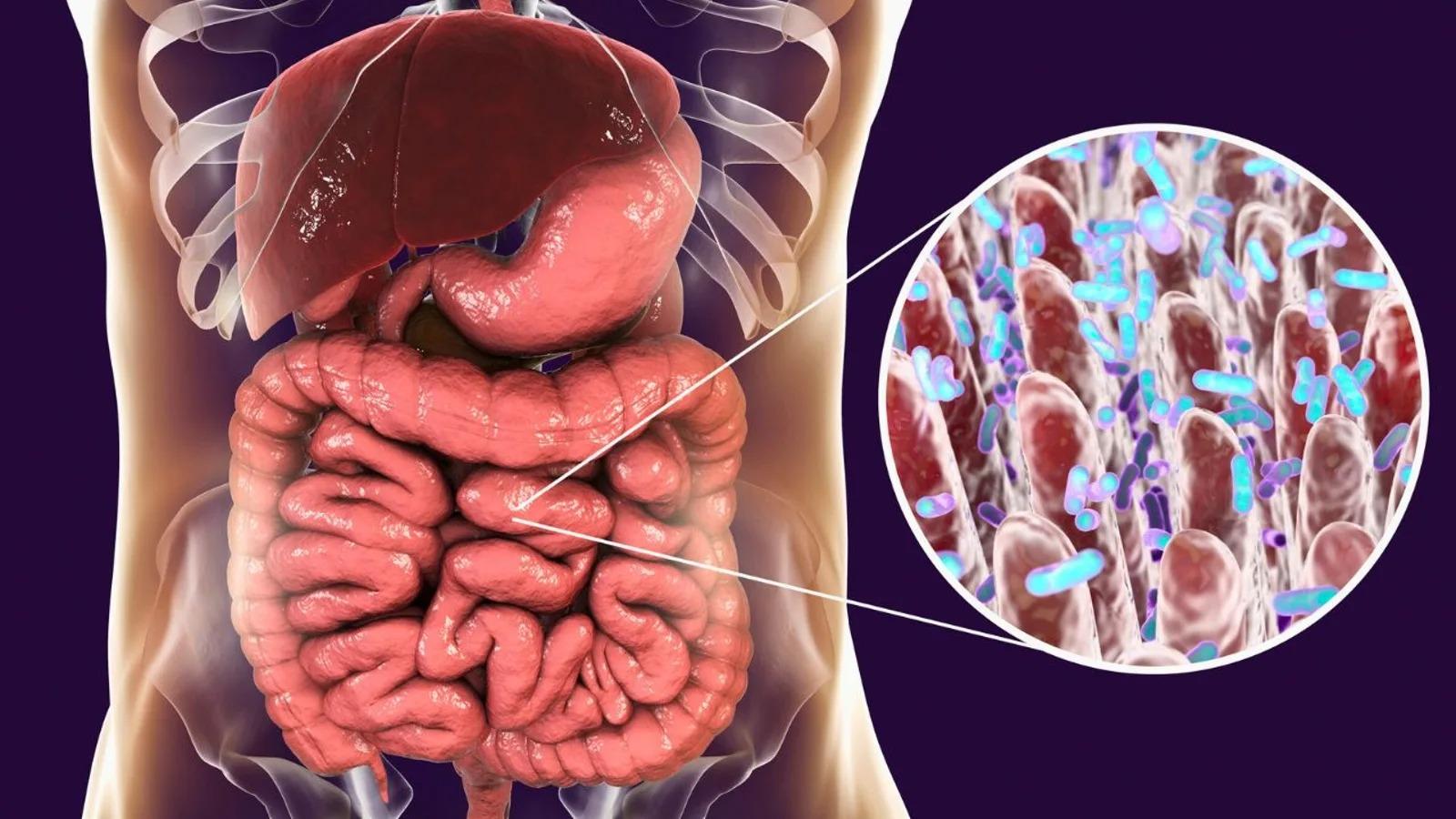
The gut contains a complex community of microorganisms that can vary between individuals and change over time. A Gut Microbiome Test Dubai can analyze a stool sample to provide information about microorganisms detected in the digestive tract. A Blood test in Dubai is a separate type of laboratory assessment that examines blood-based markers and may be used for different health purposes.
What Is Gut Microbiome Testing?
Gut microbiome testing is a laboratory assessment that examines microorganisms or microbial genetic material in a stool sample. Depending on the technology used, the test may identify specific bacterial groups or provide broader information about the microbial community.
The scope of testing depends on the laboratory and selected testing panel.
Fact 1: The Microbiome Is Unique
There is no single gut microbiome profile that applies to everyone. Microbial composition can differ because of diet, age, lifestyle, medication use, environment, and other factors.
Individual variation is normal and should be considered when interpreting test results.
Fact 2: Testing Usually Uses Stool
Unlike blood-based laboratory assessments, microbiome testing generally requires a stool sample.
The testing provider typically supplies a collection kit and instructions for collecting, storing, and transporting the specimen.
Fact 3: Microbiome Tests Can Measure Different Things
Not all microbiome tests are identical. Depending on the testing platform, a report may include microbial composition, relative abundance, microbial diversity, or information about particular microorganisms.
Always check what your selected test actually measures.
Fact 4: Microbial Diversity Is One Measurement
Some tests include a microbial diversity measurement that describes the variety of microorganisms detected.
Although this can provide useful descriptive information, it should not be treated as a simple score that determines whether your gut is healthy.
Fact 5: Diet Can Influence the Microbiome
The foods you eat can influence the gut microbial environment. Dietary fiber from foods such as vegetables, fruits, legumes, and whole grains interacts with microorganisms in the digestive tract.
A varied diet can support overall nutritional and digestive wellness.
Antibiotics Can Affect Gut Bacteria
Antibiotics can change bacterial populations in the digestive tract. The extent and duration of these changes can vary between individuals and medications.
Recent antibiotic use may therefore be relevant when considering microbiome test results.
Lifestyle Also Matters
Physical activity, sleep, stress, age, illness, and other lifestyle factors may influence the gut microbiome.
Healthy lifestyle habits can support general wellness regardless of whether microbiome testing is performed.
Fasting Is Usually Different
Because microbiome testing generally uses stool rather than blood, it does not necessarily involve fasting in the same way as certain blood tests.
However, preparation requirements vary between testing providers, so follow the specific instructions supplied with your test.
Results Are a Snapshot
The gut microbiome changes over time. A test reflects the microbial profile detected in the particular sample that was collected.
Dietary changes, medications, illness, and other circumstances can influence microbial composition between tests.
Results Need Context
A microbiome report can contain detailed information that may be difficult to interpret. The detection of a particular microorganism does not automatically mean that it is harmful.
Results should be considered alongside symptoms, health history, medications, and other relevant information.
Can a Microbiome Test Diagnose Disease?
A microbiome test should not automatically be considered a diagnostic test for digestive disease. The clinical meaning of specific microbial findings depends on the testing method and the individual circumstances.
If you have persistent symptoms, appropriate medical evaluation should be prioritized.
Gut Microbiome Testing and Blood Testing
A Blood test in Dubai can evaluate different markers depending on the test ordered. These may include blood counts, glucose, cholesterol, hormones, and other measurements.
A gut microbiome test focuses on microorganisms found in a stool sample, so the two types of testing provide different information.
What Should You Do With Your Results?
Avoid making major dietary, supplement, or medication changes based solely on a microbiome report.
If the results raise questions, discuss them with a qualified healthcare or nutrition professional who can consider the findings in the context of your individual needs.
When Is Professional Evaluation Important?
Persistent abdominal pain, ongoing changes in bowel habits, unexplained weight loss, blood in the stool, or other concerning symptoms require appropriate medical evaluation.
Microbiome testing should not be used to delay assessment of potentially serious symptoms.
Final Thoughts
A Gut Microbiome Test Dubai can provide information about microorganisms detected in a stool sample and may help you better understand aspects of your gut environment. However, microbiome testing has limitations, and results can vary over time.
Understanding what your test measures and discussing the findings with a qualified healthcare professional can help you use the information appropriately.
 English
Join our community to interact with posts!