
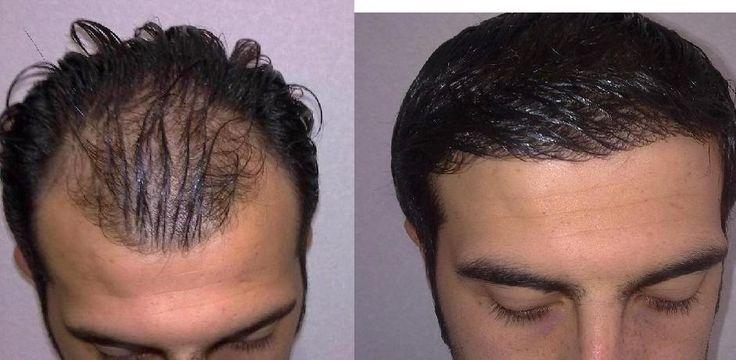
When hair becomes visibly sparse, the problem is not always complete baldness. Sometimes the main concern is reduced density that makes the scalp easier to see through the hair. A FUE hair transplant in Dubai can be considered for improving the appearance of selected sparse areas by redistributing individual follicular units where additional coverage is needed.
The concept of fuller-looking hair involves more than simply increasing the number of follicles. Hair thickness, spacing, direction, existing strands, and the way light reaches the scalp can all influence how dense the hair appears.
What Makes Hair Look Fuller?
Perceived hair density is influenced by several characteristics working together.
A scalp may look relatively full when strands are thick, closely distributed, and naturally positioned. Conversely, fine hair with wider spacing can make the scalp more visible even when a reasonable number of follicles remain.
This is why restoration planning focuses on the overall visual effect rather than relying only on graft numbers.
Understanding Sparse Hair
Sparse hair can develop gradually across different regions.
Some people notice more scalp visibility along the front, while others see reduced coverage around the crown or upper scalp. Diffuse thinning may also create a general reduction in fullness without producing a sharply defined bald patch.
Identifying the specific type of sparsity is useful when deciding where additional coverage could have the greatest visual impact.
The Role of Hair Thickness
The thickness of individual strands can significantly affect the appearance of density.
A thicker strand occupies more visual space than an extremely fine strand. This means two people with similar follicle counts can have noticeably different levels of apparent fullness.
Natural hair characteristics should therefore be considered when establishing expectations for restoration.
Fine Hair and Scalp Visibility
Fine strands can leave more of the underlying scalp visible, particularly under strong overhead lighting.
In these situations, improving the distribution of follicles may help create a more balanced appearance, although the achievable change depends on donor availability and existing density.
Why Strategic Placement Matters
The placement of transplanted follicles can influence how the restored area looks from different angles.
Rather than distributing grafts evenly across every part of the scalp, a restoration plan may prioritize areas where additional coverage is most noticeable.
For example, strengthening a visually important frontal zone may have a greater effect on overall appearance than spreading the same number of follicles thinly across a very large area.
Improving the Appearance of the Frontal Region
The frontal area often receives considerable attention because it frames the face.
A sparse front can make the hairline appear less defined and may increase the visible forehead area.
Creating a Soft Front Edge
The front edge should generally transition naturally into the existing hair.
Using appropriate follicular units and respecting natural growth direction can help prevent a sudden visual boundary between transplanted and existing hair.
Behind this transition, greater density can gradually be introduced.
Addressing Temple Sparsity
The temples can become noticeably thinner even when other areas retain reasonable coverage.
Small changes here can affect the shape of the hairline and facial proportions.
Targeted restoration may be considered when there is enough suitable donor hair and when the area is appropriate for transplantation.
Fuller-Looking Hair Around the Crown
The crown presents a different visual challenge.
Hair in this region often grows around a central whorl, creating a naturally changing direction. A restoration strategy therefore needs to follow this pattern rather than treating the area like a flat surface.
The size of the thinning region and surrounding hair density can influence how much improvement is achievable.
Creating Density Among Existing Hair
When thinning occurs gradually, the scalp may still contain many existing strands.
In such situations, transplanted follicles may need to be positioned between existing hairs rather than simply filling completely empty spaces.
This requires attention to spacing and direction so the additional hair works with what is already present.
Why More Grafts Are Not Always Better
It can be tempting to assume that greater graft numbers automatically produce fuller hair.
However, donor follicles are limited. Using too many in one area can reduce the supply available for other regions or future needs.
A carefully prioritized distribution can provide a more balanced result than simply concentrating as many follicles as possible in the most visible area.
The Importance of Hair Direction
Hair naturally changes direction across the scalp.
Near the front, strands often lie at a particular angle, while the crown follows a circular growth pattern. Matching these characteristics can influence how naturally the new hair blends with surrounding strands.
Poorly matched direction can make even dense hair look less natural.
How Hair Color Affects Perceived Density
The contrast between the hair and scalp can also influence how visible thinning appears.
A strong contrast may make sparse areas more noticeable, while lower contrast can sometimes create an impression of greater coverage.
This does not change the number of follicles, but it can affect the visual assessment of density.
Texture Can Change the Appearance of Coverage
Straight, wavy, and curly hair interact differently with light and surrounding strands.
Textured hair can sometimes create a greater sense of fullness because individual strands overlap visually.
Understanding your natural texture is therefore useful when considering what type of improvement may be realistic.
The Importance of Facial Proportions
Hair restoration should work with the individual's overall appearance.
A hairline that is appropriate for one face may not produce the same effect on another. The height and shape of the forehead, facial proportions, and existing hairline can all influence the preferred design.
The objective is to create harmony rather than simply move the hairline forward.
What Happens to the Hair After Placement?
The newly placed follicles need time to establish their normal growth cycle.
The visible hairs may change during the early stages, and some transplanted strands can temporarily shed.
Later, new growth develops gradually. Initial strands may be fine before becoming more mature.
Measuring Progress Beyond the Mirror
Day-to-day changes can be difficult to notice.
Photographs taken from consistent angles can make gradual changes easier to evaluate. Similar lighting is particularly useful because different lighting conditions can make the scalp appear more or less visible.
Long-term comparisons provide a more meaningful indication of developing density.
Maintaining the Appearance of Fuller Hair
Once the scalp has recovered, general hair care remains important.
Gentle grooming and avoiding unnecessary damage can help preserve the appearance of existing and transplanted hair.
It is also important to remember that non-transplanted hair can continue to change as the underlying hair-loss pattern develops.
When Fuller Coverage May Not Be Possible
FUE does not guarantee that every sparse area can be restored to its previous density.
Limited donor follicles, widespread thinning, fine hair, or a large treatment area can place natural limits on the amount of additional coverage possible.
Understanding these limitations before treatment can lead to more realistic expectations.
Taking a Long-Term View of Hair Density
A fuller appearance should be considered in relation to future hair changes.
If existing hair continues to thin, the balance between transplanted and natural hair may change.
Using donor follicles strategically can help maintain flexibility for potential future needs.
Final Thoughts
A FUE hair transplant in Dubai can be considered when sparse areas make the scalp more visible and additional follicular coverage may improve the overall appearance. Achieving fuller-looking hair involves much more than increasing graft numbers; hair thickness, texture, direction, spacing, facial proportions, existing strands, and donor availability all contribute to the visual result. Taking a personalized and long-term approach can help ensure that available follicles are used thoughtfully. For those exploring individualized hair restoration options, TAJMEELS CLINIC can be considered when planning the next stage of the process.
 English
Join our community to interact with posts!