
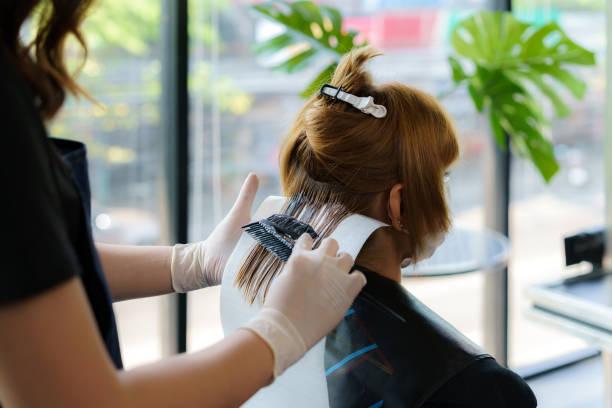
Most people have been there. You see a gorgeous copper balayage on someone at the coffee shop, you show the photo to your stylist, and three hours later you're staring in the mirror wondering why it looks so different on you. It's not that the color is bad. It's that it wasn't right for your specific complexion. Choosing hair color isn't just about what you love on other people. It's about what works with your skin's undertone, your eyes, and your natural coloring. If you're thinking about a change and want to get it right the first time, talking to a Hair Color Specialist in Jacksonville, NC before you commit to anything is genuinely worth the conversation.
Here's what you need to know before you book that appointment.
Figure Out Your Skin Undertone First
This is the step most people skip. And it's the one that matters most. Your skin tone is what you see on the surface, fair, medium, or deep. But your undertone sits underneath all of that, and it doesn't change no matter how tan or pale you get seasonally.
There are a couple of quick tests you can do at home. Flip your wrist over and look at the veins on the inside of your forearm in natural light. Blue or purple veins usually point to a cool undertone. Green-tinted veins tend to mean warm. A mix of both? You're probably neutral, which honestly gives you the most flexibility with color. The jewelry test works similarly. Hold a piece of silver jewelry next to your face, then swap it for gold. If gold makes your skin look alive and silver makes you look a bit washed out, you're warm. If silver is the clear winner, you're likely cool.
Another trick is the white shirt test. Hold a bright white shirt up to your face. If your complexion looks a little yellow or dull against pure white, warm undertones are probably at play. Cool undertones usually pop against white and look cleaner. These aren't perfect science, but they'll get you in the right ballpark before you start looking at color swatches.
Hair Colors That Work for Warm Undertones
Warm undertones love warmth back. Pretty simple rule. If your veins run green and gold jewelry is your thing, you'll generally look best in hair colors that pull from the same warm family.
Think golden blondes, honey, caramel, auburn, copper, chestnut, and warm browns. These shades create a natural harmony with the yellow, peach, or golden tones already in your skin. Rich reds can look absolutely stunning on warm-toned people, especially deeper auburn or mahogany shades. Ashy or cool-toned colors, like platinum blonde or blue-black, tend to make warm skin look sallow or tired. Not always, but often enough that it's worth being careful.
Olive skin with warm undertones is a particularly good match for chocolate brown or warm espresso. Those deeper tones add depth without fighting the natural warmth in the complexion. If you want to go lighter, golden highlights woven through your natural base can brighten your face without the clash that ash tones sometimes create.
Hair Colors That Work for Cool Undertones
Cool undertones do best with colors that have a cool or neutral base. No surprise there. But the range is actually pretty wide, so you've got options.
Platinum blonde, sandy ash blonde, cool brown, espresso, jet black, and shades with visible blue or violet tones all tend to complement cool-toned complexions. Icy or smoky colors that might look flat on a warm-toned person can look striking on someone with cool pink or bluish undertones in their skin. Strawberry blonde can work too, depending on how much pink is in your complexion.
What to avoid? Heavy brassiness. Warm golds and coppers can make cool-toned skin look reddish or uneven. That's not a hard rule across the board, but it's a common complaint from people who went warm without realizing their skin would push back. A basic understanding of how hair coloring interacts with skin pigment can save you a lot of trial and error.
Don't Forget Your Eyes and Natural Hair Texture
Eye color doesn't override undertone, but it does add useful information. Hazel or green eyes tend to pop with warm, earthy tones like copper or golden brown. Blue eyes often look sharper against cool shades, especially ashy blondes or deep brunettes. Brown eyes are flexible and honestly work with most color families, which is great news for the majority of people.
Texture matters too, and not enough people think about it. Fine hair can look washed out in very pale or uniform colors because there's less volume to carry the shade. Highlights or dimension usually look better on finer hair. Thick or coarse hair holds color differently and can sometimes go deeper or bolder without looking heavy. Curly hair reflects light in a way that makes color appear lighter than it actually is, so your stylist may need to account for that when mixing.
Hair history also plays a role. If your hair has been chemically treated, colored, or heat-damaged, the way it takes color will be different from virgin hair. Worth mentioning when you sit down with someone who knows what they're doing.
Common Mistakes People Make Choosing Hair Color
The biggest one is choosing based purely on photos. Instagram and Pinterest are full of beautiful hair, but lighting, filters, and the model's specific skin tone all affect what you're seeing. A color that looks warm honey in a photo might read almost orange in your bathroom mirror under fluorescent light.
Another common mistake is going too far from your natural base in one session. Dramatic lifts done too fast lead to damage and uneven results. Slow transitions are almost always better, and they let you adjust along the way if something isn't working. Skipping a strand test is also a frequent regret. A strand test takes ten minutes and can save you from a full-head disaster.
And then there's the DIY trap. Box dye is fine for touch-ups if you really know what you're doing, but choosing a new color without knowing your undertone and going at it alone is how most color regrets happen. If you're making a real change, especially going lighter or switching color families entirely, a professional conversation is worth it.
When a Professional Really Changes the Outcome
There's a point where general knowledge stops being enough and you just need someone who can look at your actual hair and skin in person. A trained colorist doesn't just pick a color from a chart. They assess your current hair condition, your natural pigment, your undertone, and what your hair can realistically handle before they mix a single thing.
If you've been going back and forth on a decision for weeks, or you've had a color go wrong before and you're nervous, that's exactly the situation where booking a consultation pays off. Hair Color Specialist in Jacksonville, NC searches spike every January and every summer, and the people who show up with a clear idea of their undertone and what they're hoping to achieve almost always walk out happier than the ones who say "just do something fun."
A good colorist will also tell you honestly if what you want isn't achievable in one visit. That kind of honesty is actually a good sign, not a bad one.
Frequently Asked Questions
How do I know if I have a neutral undertone?
If the vein test gives you a mix of blue and green, or if both silver and gold jewelry look pretty decent on you, you're probably neutral. Neutral undertones are flexible and can pull off both warm and cool hair colors without much trouble. Lucky you.
Can I wear warm hair colors if I have cool undertones?
You can, but it takes some care. Very warm or brassy shades often clash with cool-toned skin. That said, a skilled colorist can sometimes find a middle-ground shade, like a muted copper or a warm brunette with cool depth, that bridges the gap without looking off. It's not impossible, just trickier.
Does skin tone matter more than eye color when choosing hair color?
Skin tone and undertone are usually the starting point because they cover more of your face and have the most visual impact next to your hair. Eye color is a secondary factor that can help fine-tune the choice, but it's not the lead decision-maker.
How often should I get my hair color touched up?
It depends on the type of color. Root touch-ups for solid color are usually needed every four to six weeks. Balayage and highlights can go eight to twelve weeks or longer because the grow-out is softer and less obvious. Your colorist will give you a realistic timeline based on your specific look.
Is it worth paying more for a color consultation before committing?
Yes. Most consultations are free or low-cost, and they can save you from spending significantly more to correct a color that went wrong. A fifteen-minute conversation with someone who can see your hair and skin in real light is worth more than hours of scrolling through photos online.
Getting your hair color right isn't about following strict rules. It's about understanding how color interacts with what you already have, and then making a decision with that knowledge rather than against it.
 English
Join our community to interact with posts!