
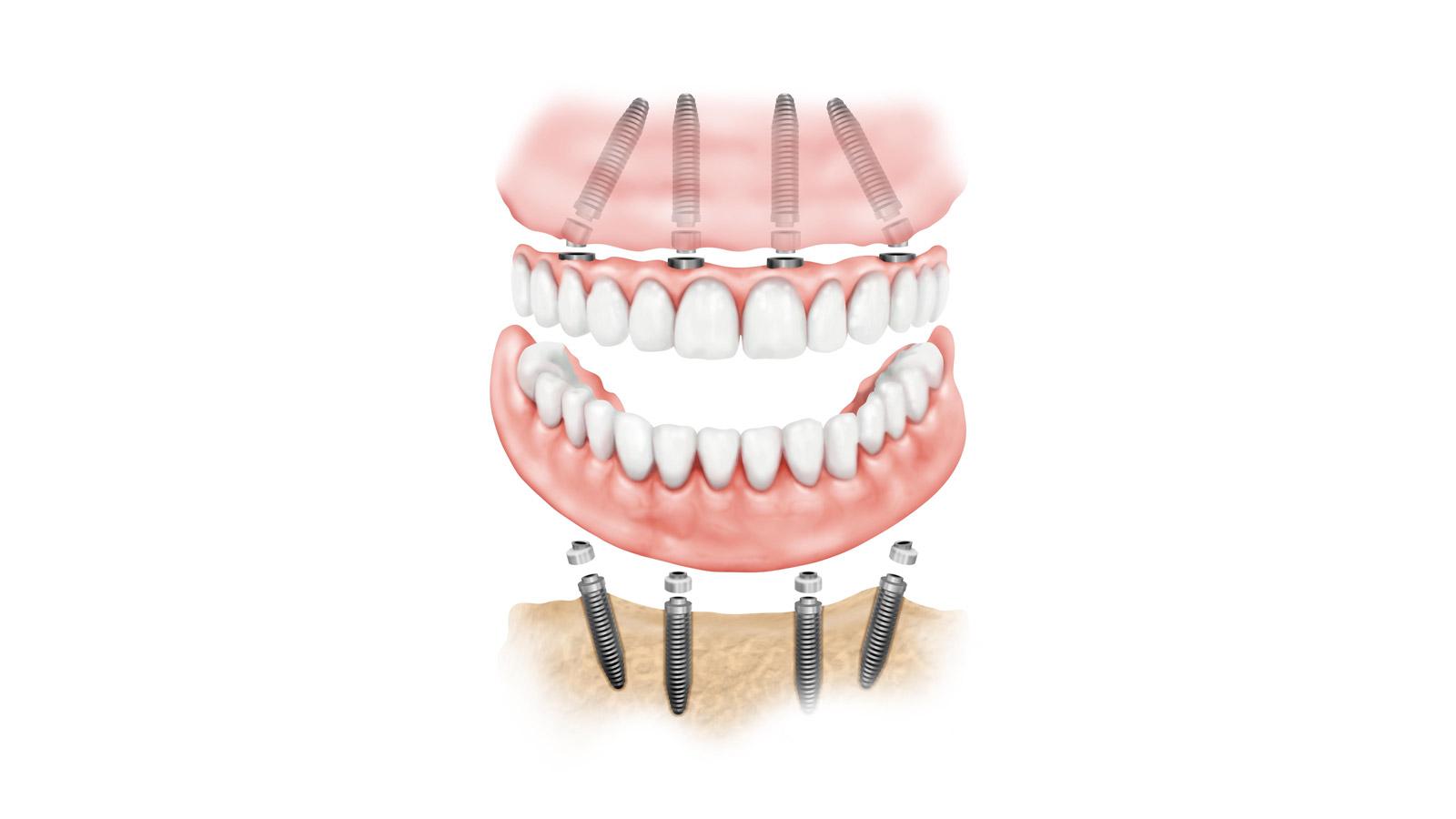
Preparing properly for tooth replacement can make the treatment experience easier and help create favorable conditions for healing. Dental Implants involve placing an artificial tooth root into the jawbone, followed by a custom restoration that replaces the missing tooth.
Every patient has different dental needs, so preparation begins with a professional assessment. Your dentist will review your oral health, jawbone condition, gums, and treatment goals before recommending an appropriate approach.
If you are planning treatment, visiting a qualified dental clinic in dubai can help you understand the procedure, preparation requirements, expected healing period, and aftercare instructions.
Schedule a Complete Dental Examination
Before receiving Dental Implants, your dentist will examine the treatment area and surrounding teeth. X-rays or digital scans may be used to assess the jawbone and determine the ideal implant position.
Your dentist may also check your gums, bite, and overall oral health. Any existing dental concerns should be identified before treatment begins.
Discuss Your Dental and Medical History
Be open with your dentist about previous dental procedures, current medications, allergies, and relevant health information. This allows the dental team to plan treatment safely and appropriately.
Your dentist may also discuss factors that could influence healing and recovery.
Treat Existing Oral Health Problems
Healthy gums and teeth are important before implant placement. If you have gum disease, tooth decay, or another dental issue, your dentist may recommend treating it before moving forward.
Addressing these concerns can help create a healthier environment for implant placement and healing.
Check Your Jawbone Condition
The implant needs adequate bone support to remain stable. Tooth loss can sometimes lead to bone loss over time, particularly when a tooth has been missing for an extended period.
If there is insufficient bone, your dentist may discuss bone grafting or another procedure to improve the treatment area before implant placement.
Maintain Good Oral Hygiene
Good oral hygiene should be a priority before and after treatment. Brush regularly and clean between your teeth to help reduce plaque buildup.
Healthy gums provide a better environment for the implant procedure and can support long-term oral health.
Follow Your Dentist's Pre-Treatment Instructions
Your dentist may provide specific instructions before the procedure based on your individual treatment plan. These instructions can relate to eating, medication, oral hygiene, or other aspects of preparation.
Follow the instructions carefully and ask your dental team if anything is unclear.
Plan for Your Recovery Period
Although many patients return to normal activities relatively quickly, it is useful to prepare for the initial healing period. Arrange any necessary time away from work or demanding activities based on your dentist's advice.
You may also want to have soft foods available at home if your dental professional recommends a softer diet during the early recovery period.
Avoid Habits That Can Affect Healing
Certain lifestyle habits may negatively affect oral health and healing. Smoking, in particular, can interfere with healthy tissue recovery.
If you smoke, discuss your treatment with your dentist and ask for personalized guidance about reducing or avoiding tobacco around the time of your procedure.
Understand the Treatment Timeline
Dental Implants are usually completed in several stages. These may include the initial consultation, implant placement, healing, abutment placement, and final crown restoration.
The total timeline depends on your bone condition, number of implants, healing response, and whether additional procedures are required.
Understanding these stages can help you plan appointments and recovery time more effectively.
Prepare Questions for Your Dentist
Before treatment, consider asking about the implant system, expected timeline, recovery, maintenance, possible additional procedures, and available restoration options.
Understanding the procedure can help you feel more confident and make informed decisions about your treatment.
What Should You Expect After Implant Placement?
Temporary swelling, tenderness, or sensitivity may occur after implant surgery. Your dentist will provide specific instructions for managing the treatment area.
Follow the recommended cleaning routine and avoid putting unnecessary pressure on the implant while it heals.
Contact your dental professional if you experience unusual or worsening symptoms during recovery.
Final Thoughts
Proper preparation can make the Dental Implants process more organized and comfortable. A thorough dental examination, healthy gums, good oral hygiene, and careful planning are important before implant placement.
If you are considering replacing missing teeth, consult a qualified dental professional to discuss your oral health and treatment goals. A personalized plan can help you understand exactly how to prepare and what to expect throughout the implant journey.
 English
Join our community to interact with posts!