
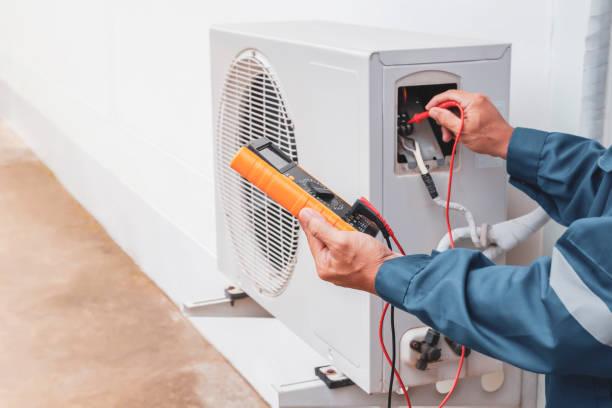
People usually blame the air conditioner when something starts going wrong. The cooling isn’t great, the power bill has jumped, or the compressor starts making a strange noise. Fair enough, the AC is the obvious suspect. But sometimes the problem started years earlier, on installation day. That’s the part homeowners don’t always think about. Choosing reliable ac installers in Kingscliff can have just as much impact on the life of your system as choosing a decent brand. An AC isn’t something you plug in and forget about. It needs to be sized properly, connected properly, and given the right conditions to do its job. Get those things wrong and the system can spend years working harder than it should.
Installation Errors Can Follow the System for Years
The annoying thing about installation mistakes is that they don’t always show up straight away. The AC might seem perfectly fine during the first summer. It cools the house, the remote works, everyone’s happy. Then, a year or two down the track, it starts running longer than usual. Maybe one room stays warm. Maybe the outdoor unit seems louder. These little changes can be easy to ignore. But equipment doesn’t like unnecessary strain. If an installation leaves the system constantly compensating for poor airflow, incorrect sizing, bad connections, or restricted ventilation, components can wear sooner than they should. It’s a bit like driving a car with the tyres slightly out of alignment. You can keep driving it. Doesn’t mean it’s doing the car any good.
The Right Size Isn't Just a Guess
One of the jobs an installer should take seriously is working out what size system the property actually needs. Bigger sounds better, but it doesn’t quite work that way. An oversized unit can cool a room quickly and then shut off before it has properly balanced the temperature and humidity. A system that’s too small may run and run without ever feeling like it has caught up. Both situations can be frustrating. They can also put unnecessary pressure on the equipment. The right capacity depends on more than the size of the room. Windows, insulation, ceiling height, sunlight, room orientation and how the space is used all come into it. A good installer looks at the house. They don’t just look at a calculator.
Where the Air Goes Matters
You can have a perfectly good air conditioner and still have lousy cooling if the airflow setup isn’t right. This happens more often than people think. Ducts might have awkward bends. A connection may not be sealed properly. A vent could be positioned where the cooled air doesn’t circulate well. In a larger home, one part of the house might end up getting far more cooling than another. Then the system keeps running because someone in the back room is still uncomfortable. That extra running time adds up. Motors, compressors and other working parts don’t get a break just because the original AC was a good one. Installation quality is partly about making the air move properly, not simply getting the unit mounted on the wall.
Refrigerant Problems Can Become Expensive
Refrigerant lines deserve attention too. They need to be installed and insulated correctly, with secure connections and no leaks. If there’s a problem in this area, the AC may struggle to deliver the cooling it should. The compressor can end up working harder, and that’s not something you want happening year after year. A quick installation might get the system running, but “running” and “running properly” are two different things. The installer should test the system and make sure everything is behaving as it should before calling the job finished. It’s one of those jobs where an extra bit of care at the beginning can save a much bigger bill later.
Don't Forget the Outdoor Unit
The outdoor unit gets stuck wherever there happens to be room sometimes. That’s not always a great idea. It needs enough clearance to move air and release the heat pulled from inside. Put it somewhere cramped, surrounded by obstacles, and the unit may have to work harder. Leaves and debris can create another headache. So can poor drainage or a location that makes servicing difficult. A sensible installer thinks about all of this before drilling holes and bolting things down. They’ll consider airflow, noise, weather exposure and access as well. It might not look important when the unit is brand new. Give it a few hot summers and you’ll see why it matters.
Electrical Work Is Part of the Lifespan Story
There’s a tendency to think of electrical work as just another box to tick during installation. It isn’t. The AC needs the correct electrical supply, proper connections and suitable protection. If something is loose or incorrectly installed, the system can behave unpredictably, trip circuits or suffer damage to its electrical components. There are safety concerns here too, obviously. This is not the place for shortcuts. Getting qualified people to handle the electrical side properly helps protect both the equipment and the people using it. A system that receives stable, appropriate power has a much better chance of giving you trouble-free service.
Local Conditions Change the Equation
An air conditioner installed in one location may have a very different working environment from one installed somewhere else. Heat, humidity, dust and coastal air can all affect equipment. Outdoor units in particular have to put up with whatever the weather throws at them. When dealing with Air Conditioning in Banora Point, those local conditions are worth thinking about when choosing the equipment location and planning the installation. It’s not about making the job complicated for the sake of it. It’s about understanding what the system will be exposed to once the installer has gone home. A good setup should make sense for the property and the environment around it.
Maintenance Can't Fix a Bad Installation
Regular servicing is important, but it shouldn’t be used as an excuse for poor installation. Cleaning filters and checking components can keep a healthy system in good shape. They can’t magically correct an AC that was badly sized or installed with poor airflow. That’s why the beginning matters so much. If the foundation is right, maintenance becomes much more straightforward. Small problems can be picked up before they become expensive failures. And when a technician needs to access the system, sensible installation makes their job easier too. Nobody wants to discover that a simple repair requires half the room to be dismantled.
Conclusion: Spend More Attention on Who Installs It
There’s no guarantee an AC will last a certain number of years. Even good equipment eventually needs replacing. Still, installation is one of the things you can control. Get the size right. Give the outdoor unit room. Make sure the electrical and refrigerant work is done properly. Don’t ignore airflow. It sounds like basic stuff, and really, it is. But basic things done properly tend to matter. So before you choose an air conditioner based only on its price or brand, pay some attention to the person putting it in. A good system deserves a good start. Otherwise, you may spend more money later fixing problems that never needed to happen in the first place.
 English
Join our community to interact with posts!