
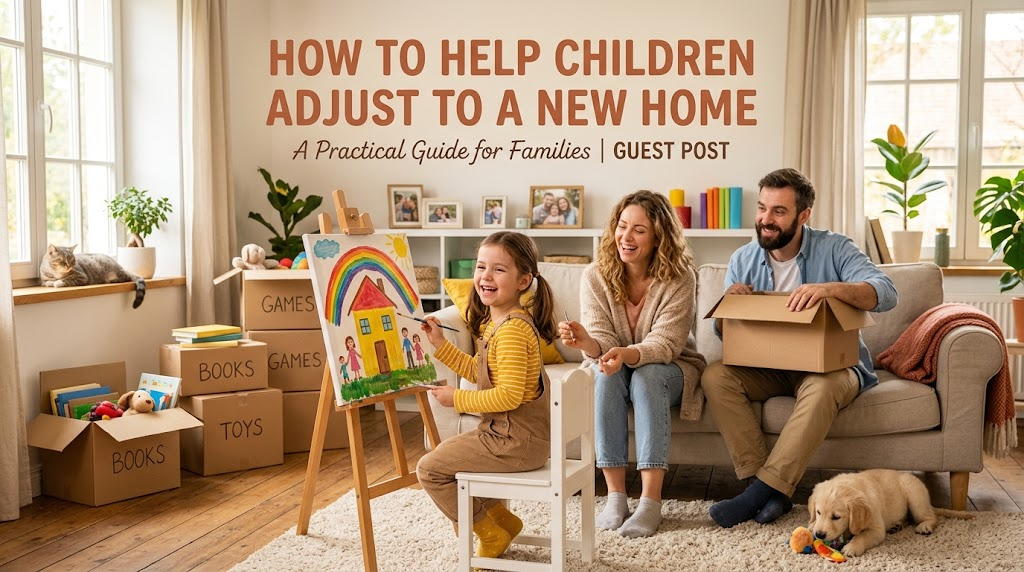
Moving to a new home can be an exciting milestone for a family, but children may experience the transition very differently from adults. A new house can mean a new bedroom, neighborhood, school, routine, and group of friends—all at once. Even when the move is positive, children may feel nervous, sad, confused, or resistant to the changes around them. Parents can make the process easier by preparing children early, listening to their concerns, and creating a sense of familiarity in the middle of all the change. If you are working with Movers in Boston, involving your children in age-appropriate parts of the moving process can also help them understand what is happening and feel more prepared.
The key to helping children adjust is to give them stability while allowing them time to adapt. Whether your family is moving across the city or to a completely different area, Moving Services Boston can handle much of the physical work, while parents focus on their children's emotional needs. Simple steps such as maintaining familiar routines, setting up their rooms quickly, and exploring the new neighborhood together can make the transition feel less overwhelming.
Why Moving Can Be Difficult for Children
Children often depend heavily on familiar surroundings. Their home may represent safety, comfort, and routine, while their neighborhood may include friends, school, favorite playgrounds, and familiar places. A move can temporarily disrupt all of these things.
Younger children may not fully understand why the family needs to move. They may worry that they will lose their belongings or that their parents' attention will be focused entirely on packing and logistics. Older children and teenagers may have stronger concerns about leaving friends, changing schools, joining a new social group, or adjusting to a different community.
Recognizing these feelings is important. Parents do not need to eliminate every negative emotion. Instead, they can reassure children that their feelings are normal and help them identify practical ways to manage the changes.
Talk About the Move Early
One of the most effective ways to help children adjust is to give them advance notice whenever possible. Avoid making the move feel like a sudden event that is happening to them without explanation.
Explain the reason for the move using language that matches your child's age. Young children may benefit from simple explanations, while older children can usually handle more detailed conversations about the reasons behind the decision.
Give children opportunities to ask questions. They may want to know where they will sleep, whether they can keep their toys, how far away their friends will be, or what their new school will be like. Some questions may seem small to an adult but can feel very important to a child.
Instead of dismissing concerns with statements such as "You will get used to it," acknowledge them directly. Saying, "I understand that leaving your friends feels difficult," communicates that their emotions are being taken seriously.
Involve Children in the Moving Process
Children are more likely to feel comfortable with a change when they have some appropriate involvement in it. This does not mean giving them responsibility for major moving decisions. Instead, allow them to participate in manageable tasks.
A child might help decide which toys should be packed first, choose labels for boxes, or select decorations for their new bedroom. Older children can help organize personal belongings, create a moving-day playlist, or research nearby activities.
Participation can create a sense of ownership. Rather than seeing the move only as something adults have decided, children can begin to view the new home as a place they are helping create.
However, avoid involving children in stressful adult conversations about finances, complicated logistics, or disagreements. Their role should be positive and age-appropriate.
Keep Familiar Routines as Consistent as Possible
Moving often disrupts normal schedules. Packing, traveling, changing schools, and unpacking can make regular mealtimes, bedtime routines, and family activities difficult to maintain.
Even when everything else is changing, try to preserve a few familiar habits. If your child normally reads before bed, continue that tradition after the move. If your family eats breakfast together on weekends, maintain it when practical.
Familiar routines provide predictable points in the day. This can be especially helpful during the first few weeks, when the new home may still feel unfamiliar.
Children do not necessarily need a perfectly organized house immediately. A predictable bedtime, familiar meal, or regular family activity may provide more emotional comfort than having every moving box unpacked.
Let Children Help Set Up Their New Room
A child's bedroom can become an important source of familiarity in a new house. If possible, prioritize setting up the child's sleeping area soon after arrival.
Keep familiar bedding, toys, books, photographs, and other comforting possessions available. Avoid replacing everything at once simply because the family has moved. Familiar objects can help bridge the gap between the old home and the new one.
Let your child make some decisions about the room. They might choose where certain toys go or help arrange books and decorations. Older children may appreciate having more control over furniture placement or room design.
The goal is not to create a perfect room immediately. It is to create a recognizable personal space where the child can relax.
Explore the New Neighborhood Together
Once the move is complete, spend time discovering the new surroundings as a family. Visit nearby parks, libraries, recreational facilities, shops, and other places that may interest your child.
If your child enjoys sports, look into local teams or activities. If they enjoy reading, visit the local library. If they like outdoor activities, identify nearby parks or walking routes.
Exploring together can turn an unfamiliar area into a collection of recognizable places. It also gives parents an opportunity to learn what their children enjoy about the new community.
For older children, allow them some independence when appropriate and safe. They may want to learn how to get to school, visit a nearby recreational area, or identify places where they can spend time with new friends.
Help Children Stay Connected With Old Friends
Moving does not necessarily mean that existing friendships have to disappear. Encourage children to maintain appropriate contact with friends from their previous neighborhood or school.
Depending on their age and circumstances, this could involve phone calls, video chats, messages, letters, or planned visits. Parents can also help arrange a final get-together before the move or a visit afterward.
At the same time, encourage children to make new connections rather than presenting old friendships as something they must replace. Both can exist.
For teenagers in particular, social relationships may be a major part of their adjustment. Giving them reasonable opportunities to stay connected can make the transition less isolating.
Prepare Children for a New School
Changing schools can be one of the most challenging parts of relocation. Before the first day, gather practical information so your child knows what to expect.
If possible, visit the school together before classes begin. Show your child the entrance, classrooms, playground, transportation area, or other relevant locations. Knowing where they need to go can reduce some of the uncertainty surrounding the first day.
Discuss practical details such as school schedules, lunch arrangements, uniforms, transportation, and extracurricular activities. Encourage your child to identify one or two questions they can ask a teacher or classmate.
Do not expect immediate friendships or complete confidence. Building relationships takes time, and each child adapts at a different pace.
Give Children Time to Adjust
There is no universal timetable for adapting to a new home. Some children may become comfortable within days, while others may need considerably longer.
Parents should watch for ongoing changes in behavior, mood, sleep, appetite, school performance, or social interaction. Temporary changes can occur during stressful transitions, but persistent or significant difficulties deserve attention.
The most useful response is usually patience and communication. Regularly check in with your child without turning every conversation into a discussion about whether they like the new home.
Simple questions can help, such as, "What was the best part of today?" or "Is there anything about the new place that still feels difficult?"
These questions create opportunities for children to share concerns naturally.
Make the New Home Feel Like Home
A house becomes a home through familiarity, routines, relationships, and shared experiences. Parents can help create that feeling by establishing family traditions in the new space.
Cook a favorite family meal in the new kitchen. Have a movie night in the living room. Take a family walk around the neighborhood. Celebrate birthdays and other milestones in familiar ways.
These experiences help children associate the new home with positive memories rather than remembering it only as the place where they had to leave their previous home.
It can also help to display family photographs and familiar artwork. Small details can make a new environment feel personal and recognizable.
What Parents Should Avoid During the Transition
Parents sometimes try to make children feel better by insisting that the move is exciting or that everything will be better. While positive encouragement is useful, it should not prevent children from expressing sadness or frustration.
Avoid telling children that they should not miss their old home or friends. Missing something does not mean the move was a mistake.
It is also helpful to avoid putting pressure on children to adjust immediately. Statements such as "You have been here long enough; you should be happy now" can make children feel that their emotions are a problem.
Instead, acknowledge progress while remaining patient. A child who initially dislikes the new school may gradually become comfortable after meeting a teacher, making a friend, or joining an activity.
Conclusion
Helping children adjust to a new home is less about making the transition perfect and more about providing reassurance, consistency, and time. Talk openly about the move, involve children in age-appropriate decisions, preserve familiar routines, set up their personal space, support old friendships, and encourage them to discover positive aspects of their new community. Professional moving assistance can reduce some of the physical demands on parents, allowing more attention to be given to children during the transition. Whether you are coordinating a local relocation or working with East Coast Boston Movers, keeping children's emotional needs in mind can make the entire experience smoother. With patience, understanding, and familiar family routines, a new house can gradually become a comfortable and welcoming home.
Frequently Asked Questions About Helping Children Adjust After Moving
How long does it take a child to adjust to a new home?
Adjustment time varies by age, personality, circumstances, and the amount of change involved. Some children adapt quickly, while others need several weeks or longer. Consistent routines, communication, familiar belongings, and opportunities to explore the new community can support the transition.
How can I make moving less stressful for my child?
Prepare your child in advance, explain what will happen, involve them in age-appropriate decisions, preserve familiar routines, and make sure they have access to favorite belongings. After the move, create a comfortable personal space and give them opportunities to explore the new neighborhood.
Should children help with packing?
Yes, when the tasks are appropriate for their age. Children can sort toys, label boxes, organize books, or choose personal items to pack. They should not be expected to manage heavy lifting or stressful logistical responsibilities.
What if my child does not like the new home?
Give them time to express what they dislike without immediately trying to argue against their feelings. Ask specific questions to understand the problem. Sometimes the issue is not the house itself but a school change, loss of friendships, an unfamiliar bedroom, or disrupted routines. Identifying the underlying concern makes it easier to find a practical solution.
 English
Join our community to interact with posts!