
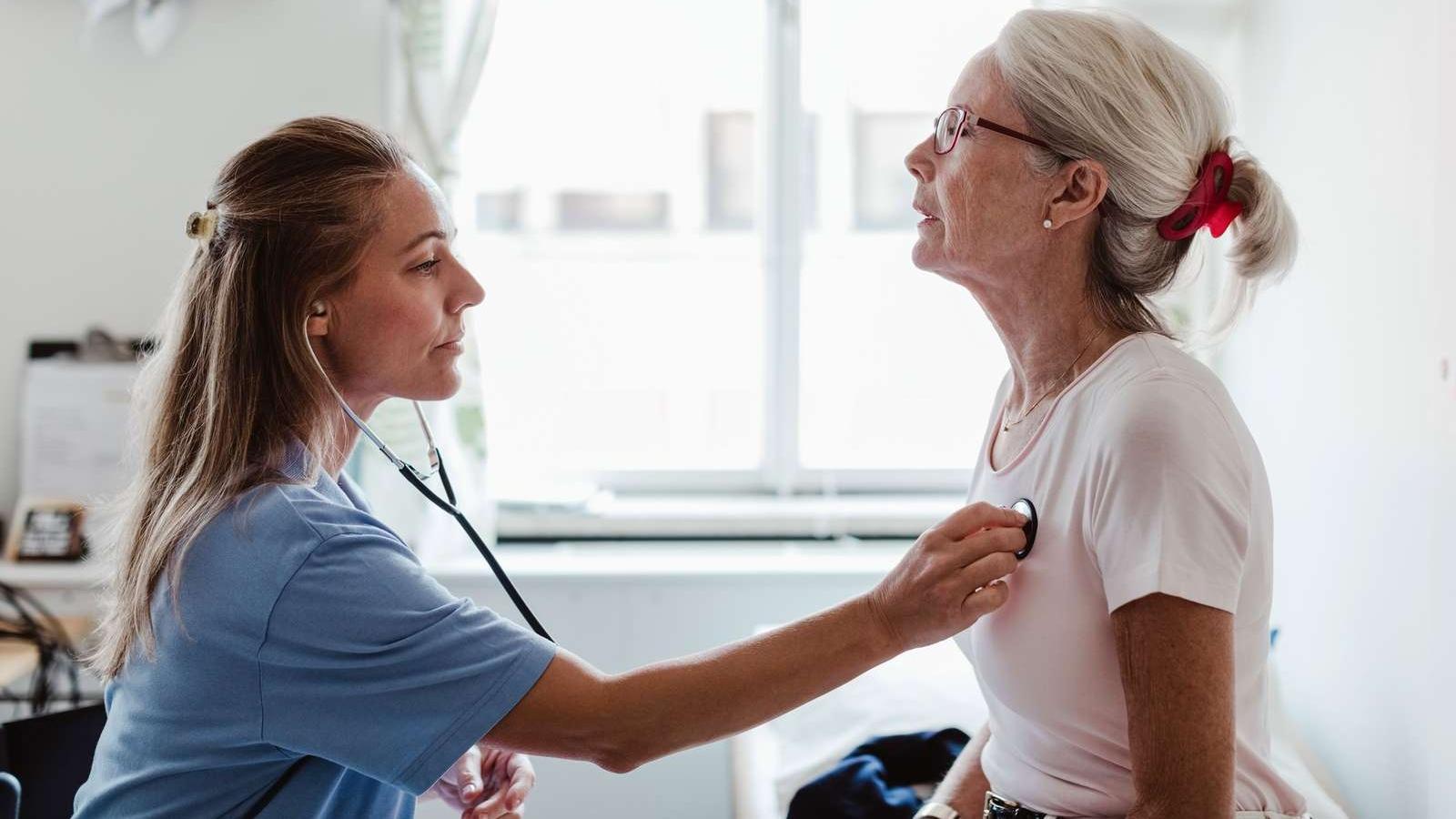
Regular health screening can help you stay informed about important aspects of your well-being. Many people wait until they experience noticeable symptoms before arranging a medical assessment, but preventive healthcare encourages regular monitoring even when you feel healthy. A Full Body Checkup at Home provides a convenient option for selected routine assessments and laboratory testing without requiring every part of the process to take place at a medical facility. It can be especially useful for busy professionals, older adults, families, and people who value privacy and convenience.
Home healthcare can also make professional support easier to access. Doctor at home in Dubai services allow individuals to discuss their concerns with a qualified healthcare professional in a familiar environment. Depending on your health profile, a medical professional can review your history, discuss relevant symptoms, and advise whether particular tests or examinations may be appropriate.
What Is a Full Body Checkup at Home?
A Full Body Checkup at Home is a preventive healthcare service that allows selected medical assessments or sample collection to be arranged at your residence. The exact tests depend on the provider, package, age, medical history, lifestyle, and individual risk factors.
Common tests may include a complete blood count, blood glucose testing, cholesterol assessment, kidney function tests, and liver function tests. Depending on your circumstances, a healthcare professional may also recommend thyroid testing, vitamin assessments, urine analysis, or other investigations.
A comprehensive checkup does not mean that every available test is necessary. The most appropriate screening plan is one that focuses on tests relevant to your individual healthcare needs.
Why Is Routine Health Screening Important?
Preventive screening can help identify changes in certain health indicators before they become more noticeable. Some conditions may develop gradually and may not cause clear symptoms during their early stages.
Blood glucose testing can provide information about blood sugar levels, while cholesterol testing can provide information about blood lipids. Kidney and liver investigations can provide information about markers associated with the functioning of these organs.
However, screening results should not be treated as a diagnosis by themselves. A healthcare professional needs to consider laboratory findings together with your symptoms, medical history, medications, lifestyle, and other relevant information.
Regular testing can also provide a record of your health over time. Previous results may help healthcare professionals identify meaningful changes when they are compared with newer measurements.
Enfiled Dental clinic and Preventive Health
General medical screening is an important part of wellness, but oral health should also receive regular attention. Enfiled Dental clinic can be considered when you need professional dental examinations or oral healthcare services as part of your broader preventive routine.
Dental checkups can help identify problems such as tooth decay, gum concerns, plaque buildup, and other oral conditions. Some dental problems may progress gradually, making routine professional assessment valuable even when there is little or no discomfort.
Medical screening and dental care have different purposes. A general health checkup does not replace a dental examination, and dental care does not replace appropriate medical screening. Including both in your healthcare routine can support more complete wellness.
Common Tests in a Health Screening
A complete blood count is frequently included in routine health screening. It evaluates several components of blood and can provide useful information for general health assessment.
Blood glucose testing is another common investigation. Depending on your health profile, a healthcare professional may recommend fasting glucose or another appropriate assessment.
A lipid profile can provide information about cholesterol and other blood fats. These results may be reviewed alongside factors such as age, blood pressure, physical activity, diet, and family history.
Kidney function testing can assess certain markers associated with renal function, while liver function testing evaluates several substances associated with liver health.
Other investigations may be appropriate for specific individuals. Thyroid tests, vitamin measurements, and urine analysis may be considered when there is a relevant reason to perform them.
How Does Home Sample Collection Work?
The process normally starts with arranging an appointment and providing basic health information. The healthcare provider may ask about your medical history, medications, previous reports, age, and current concerns.
At the scheduled time, trained healthcare staff can visit your residence. If laboratory testing is required, blood or other samples can be collected using suitable procedures.
Preparation requirements depend on the tests. Some investigations require fasting, while others do not. Your healthcare provider should give you clear instructions before the appointment.
After collection, samples are sent to an appropriate laboratory for analysis. Once the testing process is complete, results are prepared and shared according to the provider's reporting system.
If a finding needs additional attention, a qualified healthcare professional can explain the result and recommend appropriate follow-up.
Benefits of Home-Based Health Screening
Convenience is one of the most significant advantages of home-based testing. Patients can reduce the time spent traveling to a facility and waiting for routine services.
For busy professionals, this can make preventive healthcare easier to fit into a demanding schedule. Instead of postponing a checkup because of work commitments, a home appointment may provide greater flexibility.
Older adults and people with mobility challenges can also benefit from reduced travel. Receiving appropriate services at home may make routine healthcare more comfortable.
Privacy can be another advantage. Some people prefer discussing personal health concerns and completing routine testing in their own surroundings.
Families may also find home screening practical when multiple members need routine assessments.
Who Should Consider a Home Checkup?
A home health assessment can be suitable for adults who want to maintain a regular preventive healthcare routine. Working professionals may appreciate flexible scheduling, while older adults may value the convenience of avoiding unnecessary travel.
People with a family history of certain health conditions may require specific screening based on professional advice. Individuals managing existing conditions or taking long-term medications should also discuss their testing schedule with their healthcare provider.
Screening needs are not identical for everyone. Age, lifestyle, family history, previous results, and medical conditions can all influence the appropriate approach.
Routine home screening is also not intended for emergencies. Severe symptoms require prompt medical evaluation rather than waiting for a scheduled checkup.
Preparing for Your Appointment
Preparation depends on the investigations being performed. If fasting is required, follow the instructions provided by the healthcare professional regarding food, beverages, and the fasting period.
Provide accurate information about medications, supplements, allergies, and previous health conditions. Do not stop prescribed medication unless your doctor specifically instructs you to do so.
Keeping previous laboratory reports available can also be helpful. Earlier results may allow your healthcare professional to compare current measurements and identify changes over time.
It is also useful to mention any symptoms or health concerns before the assessment so that the healthcare professional can determine whether additional evaluation may be necessary.
Understanding Your Results
Once your report is available, it may contain several measurements and reference ranges. These numbers should be interpreted carefully rather than viewed independently.
A result outside the reference range does not automatically mean that you have a serious health condition. Laboratory values can be affected by medications, diet, hydration, physical activity, temporary illness, and other factors.
A qualified healthcare professional can review the report in the context of your medical history and determine whether repeat testing or further evaluation is appropriate.
Keeping your reports organized can also help with future appointments and long-term health monitoring.
Making Health Screening Part of Your Routine
Preventive healthcare works best when it becomes part of a consistent lifestyle. Regular physical activity, balanced nutrition, sufficient sleep, stress management, and appropriate medical care all contribute to overall wellness.
The frequency of screening should be personalized. Some people may need routine assessments at different intervals depending on age and risk factors, while others may require more targeted monitoring.
Discussing your screening needs with a healthcare professional can help you avoid both unnecessary testing and missed preventive assessments.
Final Thoughts
A Full Body Checkup at Home can make routine health screening more convenient while helping individuals monitor important health indicators. It can be particularly useful for busy professionals, older adults, families, and people who prefer receiving selected healthcare services at home.
The best health screening strategy focuses on relevant tests rather than simply completing the largest possible number of investigations. With appropriate professional guidance, healthy lifestyle choices, regular monitoring, and timely follow-up, home-based screening can become a practical part of long-term preventive healthcare.
 English
Join our community to interact with posts!