
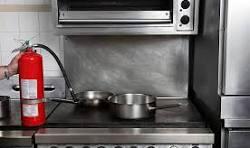
Modern Kitchen Fire Protection for Safer Commercial Operations
Commercial kitchens are places where speed, heat, and continuous activity come together. Restaurants, hotels, cafeterias, hospitals, bakeries, and catering facilities depend on cooking equipment every day, but these operations can also create serious fire hazards.
Open flames, hot surfaces, cooking oils, gas connections, electrical appliances, and grease deposits can all contribute to a kitchen fire. A fire that starts around a fryer or stove can spread rapidly if there is no suitable protection in place.
Installing Kitchen Fire Suppression Systems is an important step toward improving safety in commercial cooking environments. These systems are designed to detect and suppress fires quickly while helping protect people, equipment, and property.

Why Kitchen Fire Safety Matters
Fire prevention should be a major part of every commercial kitchen's daily operations. Cooking equipment often operates for long periods and reaches extremely high temperatures.
Deep fryers can become dangerous when cooking oil overheats. Grills and stoves can produce open flames, while ovens and other appliances generate significant heat.
Grease accumulation creates another potential hazard. Oil and grease particles can collect inside exhaust hoods, filters, and ducts. If these deposits ignite, flames can spread through the ventilation system.
Electrical faults and gas leaks can also cause unexpected fires. A combination of prevention and specialized suppression is therefore essential.
How a Kitchen Suppression System Works
A kitchen suppression system is designed specifically for cooking-related fire hazards. It typically contains heat detection devices, suppression cylinders, discharge nozzles, control mechanisms, and manual activation equipment.
When the system detects excessive heat, it can activate automatically. The suppression agent is discharged through strategically positioned nozzles toward the affected cooking equipment.
This rapid response can help control flames before they spread. Some systems can also activate fuel or electrical shut-off mechanisms, helping remove the source that may be feeding the fire.
Protecting High-Risk Equipment
Commercial kitchens contain many different types of cooking equipment, and each can present unique hazards.
Deep fryers require particular attention because hot cooking oil can produce intense fires. Grills, ranges, burners, ovens, and other appliances should also be considered when designing a protection system.
A professional assessment can identify the highest-risk areas and determine where detection devices and discharge nozzles should be installed.
Proper coverage ensures that the suppression agent can reach the equipment effectively when the system is activated.
Exhaust Hoods and Ducts Need Protection
The cooking area is not the only part of a kitchen that requires attention. Exhaust hoods and ventilation systems can accumulate grease during everyday operations.
If a grease deposit catches fire, flames can travel through the hood and ductwork. This can potentially spread the fire to other sections of the building.
For this reason, fire protection planning should consider the entire exhaust system. Regular cleaning is equally important because removing grease buildup reduces the available fuel for a potential fire.
Key Advantages of Fire Suppression Systems
One of the biggest benefits of Kitchen Fire Suppression Systems is rapid response. Automatic detection allows the system to react quickly when dangerous heat or flames are identified.
Another benefit is property protection. Commercial kitchen equipment can be expensive, and reducing fire damage can help businesses avoid significant replacement and repair costs.
Suppression systems can also support business continuity. A major kitchen fire may force a business to close temporarily, affecting employees, customers, revenue, and reputation.
By improving emergency preparedness, businesses can create a safer and more resilient operating environment.
Selecting the Right Protection Solution
Choosing a suppression system should always be based on the actual requirements of the kitchen. Factors such as the size of the facility, cooking appliances, fuel sources, ventilation layout, and operating hours should be considered.
Businesses should work with qualified fire protection professionals who can conduct a proper site assessment.
A reliable provider should offer suitable equipment along with professional installation, inspection, maintenance, and technical support.
Comparing providers based only on initial cost may not be the best approach. Long-term reliability and service quality are equally important.
Importance of Professional Installation
Correct installation has a direct impact on system performance. Nozzles must be positioned correctly, and detection components should be located where they can identify excessive heat effectively.
The suppression system should also be configured properly with other safety controls, including fuel shut-off systems where required.
Professional installation reduces the risk of incorrect connections, poor coverage, or system performance issues.
After installation, the system should be tested to confirm that its components are functioning correctly.
Regular Inspection and Maintenance
A suppression system requires ongoing care. Regular inspections help ensure that the equipment remains ready for use.
Important components such as suppression cylinders, detection mechanisms, discharge nozzles, control units, and activation devices should be checked according to recommended schedules.
Exhaust hoods, filters, and ducts should also be cleaned regularly to prevent excessive grease buildup.
If any component shows signs of damage or malfunction, it should be serviced promptly. Preventive maintenance can help reduce unexpected problems during an emergency.
Educating Kitchen Employees
Employees are an important part of fire prevention. Staff should receive training on safe cooking practices and emergency procedures.
Workers should avoid leaving cooking equipment unattended and keep combustible materials away from heat sources.
They should also know where fire extinguishers and manual suppression controls are located. Understanding evacuation routes can help employees and customers leave the building safely during an emergency.
Regular training encourages a stronger safety culture throughout the workplace.
Combining Prevention with Protection
A suppression system should be part of a complete fire safety program. Businesses should also maintain fire alarms, portable extinguishers, emergency exits, clean ventilation systems, and appropriate safety procedures.
Routine equipment inspections can identify problems before they become dangerous. Good housekeeping can further reduce grease and combustible material around cooking areas.
Combining these practices creates multiple layers of protection and helps businesses respond more effectively to fire emergencies.
Conclusion
Commercial kitchens face a variety of fire hazards due to high temperatures, cooking oil, gas, electricity, open flames, and grease-filled ventilation systems. Relying on basic precautions alone may not provide sufficient protection.
Kitchen Fire Suppression Systems offer specialized protection designed for commercial cooking environments. With proper system selection, professional installation, regular maintenance, exhaust cleaning, and employee training, businesses can significantly improve kitchen fire safety.
A well-planned fire protection strategy not only helps protect people and property but also supports business continuity and long-term operational security.
 English
Join our community to interact with posts!