
Losing one tooth can seem like a small dental problem, but it can affect chewing, bite alignment, and the appearance of your smile. Dental Implants in Dubai offer a stable way to replace a single missing tooth by recreating both the root and visible portion of the tooth. With proper planning, an implant-supported crown can be designed to blend naturally with the surrounding teeth.
Why Replace a Single Missing Tooth?
A missing tooth leaves an open space in the dental arch. Over time, neighboring teeth can move toward that space, potentially changing your bite and making some areas harder to clean.
Replacing the missing tooth can help restore the continuity of the dental arch and provide a stable surface for chewing.
What Happens If You Leave the Space Empty?
The effects of tooth loss vary between individuals. Some people notice little immediate change, while others experience difficulty chewing or gradual movement of neighboring teeth.
The bone surrounding the missing tooth can also gradually lose volume because the natural tooth root is no longer present.
How Do Dental Implants Replace One Tooth?
A single dental implant is placed into the jawbone to act as an artificial tooth root. After the implant has healed and integrated with the bone, an abutment and customized dental crown are attached.
The crown replaces the visible part of the missing tooth and is designed to function with the surrounding teeth.
Dental clinic in dubai for Single-Tooth Implants
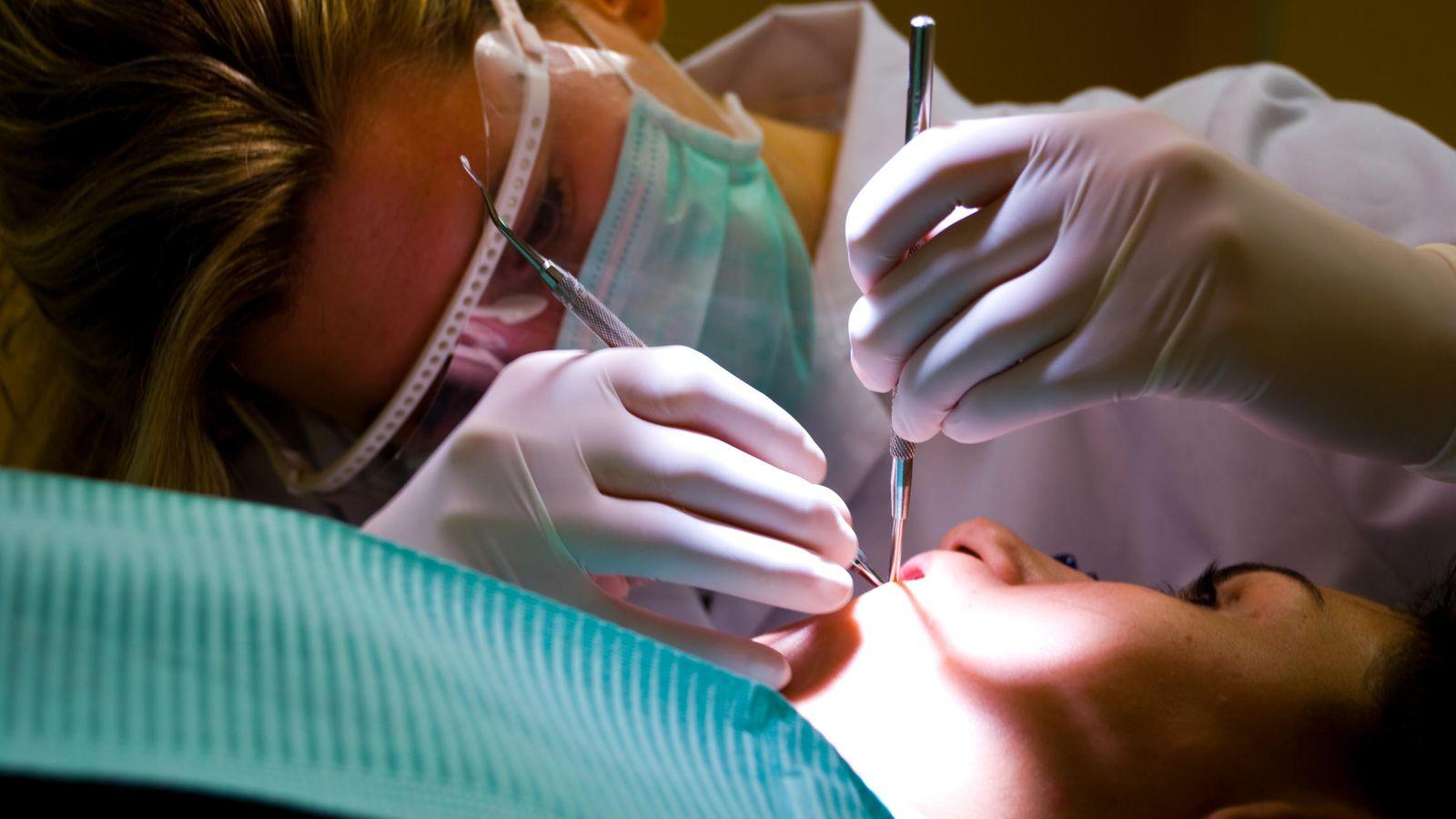
A qualified Dental clinic in dubai can assess the missing tooth area and determine whether a single implant is suitable. Your dentist will examine the gums, jawbone, neighboring teeth, and bite before creating a treatment plan.
Dental imaging can also help determine whether there is sufficient bone for safe implant placement.
Is Bone Grafting Always Required?
No. Many patients have enough bone to support an implant without additional procedures. However, bone loss can occur after tooth extraction or long-term tooth loss.
If bone support is insufficient, your dentist may recommend bone grafting or another procedure before implant placement.
What Are the Benefits of a Single Implant?
One important advantage is that the implant provides an independent replacement. Unlike a traditional dental bridge, a single implant does not normally require the neighboring healthy teeth to be prepared as supporting teeth.
An implant-supported crown can also provide stability during chewing and can be customized to match the appearance of nearby teeth.
Can a Single Implant Look Natural?
Yes. The dental crown can be customized according to the color, shape, size, and position of the surrounding teeth.
For a front tooth, aesthetic planning is particularly important. Your dentist may consider the gumline, tooth proportions, and smile symmetry when planning the final restoration.
Does the Crown Match Natural Teeth?
Modern dental crowns can be made using materials designed to provide a natural appearance. The exact material and design depend on the location of the tooth and your treatment requirements.
Your dentist can discuss the available options during the planning stage.
Is the Implant Procedure Painful?
Implant placement is performed using appropriate anesthesia to keep the treatment area comfortable. After the procedure, some temporary swelling, tenderness, or discomfort may occur.
Your dental professional will provide aftercare instructions based on the procedure. Following those instructions can help support normal healing.
How Long Does Single-Tooth Implant Treatment Take?
The timeline varies depending on your oral health and bone condition. A typical treatment may include consultation, implant placement, a healing period, and final crown placement.
If bone grafting or other preparatory treatment is needed, the process may take longer. Your dentist can provide a personalized timeline after examining the treatment area.
Why Is Healing Important?
The implant needs sufficient time to integrate with the jawbone. This process creates the stable foundation needed to support the final crown.
The healing period varies according to individual factors such as bone quality, implant location, and overall health.
How Do You Care for a Single Implant?
Once the implant restoration is completed, daily oral hygiene remains essential. Brush twice a day with fluoride toothpaste and clean carefully between the teeth.
Pay particular attention to the gumline around the implant. Your dentist may recommend an interdental brush, floss, or another cleaning tool depending on your specific restoration.
Can a Single Implant Last for Many Years?
Dental implants are designed as a long-term tooth replacement option. Their longevity depends on factors such as gum health, oral hygiene, lifestyle habits, biting forces, and regular professional care.
The implant and crown are separate components. While the implant may remain stable for many years, the crown can experience normal wear and may eventually need maintenance or replacement.
Do Regular Checkups Matter?
Yes. Regular dental visits allow your dentist to examine the implant, crown, surrounding gums, and neighboring teeth.
Professional cleaning and routine examinations can help maintain oral health and identify potential concerns before they become more complicated.
Who Is a Suitable Candidate?
Many adults with a single missing tooth may be suitable for implant treatment. However, healthy gums, sufficient bone support, and good oral hygiene are important considerations.
If you have active gum disease, significant bone loss, or untreated dental problems, these issues may need to be addressed before implant placement.
Final Thoughts
A single missing tooth does not have to leave a permanent gap in your smile. Dental Implants can provide a stable foundation for a customized crown while helping restore chewing function and the appearance of the dental arch.
If you are considering Dental Implants in Dubai, consult a qualified dental professional for a comprehensive assessment. Your dentist can determine whether a single implant is suitable and develop a treatment plan based on your oral health, bone condition, and individual needs.
 English
Join our community to interact with posts!