
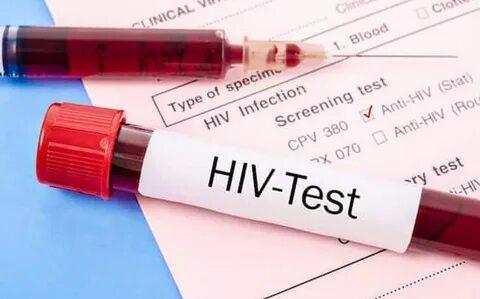
Feeling unwell after a possible HIV exposure can be frightening, especially when symptoms such as fever, fatigue, sore throat, or swollen lymph nodes appear. It is natural to wonder whether these symptoms could indicate early HIV infection and whether an HIV Blood Test in Dubai is necessary.
The short answer is simple: symptoms alone cannot tell you whether you have HIV. Testing is needed to determine your HIV status.
Early HIV infection can cause flu-like symptoms in some people, while others may have no symptoms at all. The same symptoms can also result from influenza, COVID-19, mononucleosis, other viral infections, or many unrelated conditions.
Understanding the relationship between early HIV symptoms, the HIV window period, and blood testing can help you decide when to seek medical care and how to interpret your results.
Why Early HIV Symptoms Can Be Difficult to Recognize?
After HIV enters the body, some people develop a group of symptoms known as acute HIV infection or acute retroviral syndrome.
These symptoms can occur during the early stage of infection, often within a few weeks after exposure. However, there is considerable variation from person to person.
Possible symptoms include:
- Fever
- Fatigue
- Sore throat
- Skin rash
- Swollen lymph nodes
- Headache
- Muscle aches
- Night sweats
- Mouth ulcers
- Diarrhea
The problem is that none of these symptoms is unique to HIV.
For example, fever and sore throat are common with many respiratory infections. Fatigue can result from lack of sleep, stress, or numerous illnesses. Swollen lymph nodes can occur when the immune system responds to many different infections.
That is why HIV symptoms cannot diagnose HIV.
The Most Important Rule: Symptoms Are Not a Substitute for Testing
If you have symptoms after a possible exposure, it may be tempting to search for a particular symptom that confirms or excludes HIV.
This approach is unreliable.
Some people with acute HIV experience noticeable symptoms, while others experience mild symptoms or none at all. A person can also have HIV for a long period without obvious symptoms.
An HIV blood test provides objective evidence that symptoms cannot provide.
If you have had a possible exposure, tell a healthcare professional when it happened and what type of exposure occurred. This information helps determine which test is appropriate and when it should be performed.
When Do Early HIV Symptoms Usually Appear?
Acute HIV symptoms often occur within the first few weeks after infection, but the timing and severity can vary.
Some people may experience symptoms soon after infection, while others may not notice anything unusual.
The symptoms may last for days or weeks and then improve.
This can create confusion because a person might feel sick, recover, and assume the problem was an ordinary viral illness.
Conversely, someone may experience flu-like symptoms and immediately assume they have HIV when the actual cause is something else.
Neither situation can be resolved by symptoms alone.
Testing is the only reliable way to determine HIV status.
What Is the HIV Window Period?
The HIV window period is the time between exposure and when a specific HIV test can reliably detect infection.
This matters because HIV tests do not all look for the same biological markers.
Some tests detect HIV genetic material. Others detect p24 antigen, antibodies, or both.
According to HIV.gov, typical detection ranges are:
| HIV test | Typical detection period after exposure |
|---|---|
| NAT | 10 to 33 days |
| Laboratory antigen and antibody test using blood from a vein | 18 to 45 days |
| Antibody test | 23 to 90 days |
These are typical ranges rather than guaranteed detection dates for every person.
A negative HIV test taken too early may therefore need to be repeated.
Which HIV Blood Test Detects Infection Earlier?
The type of HIV test matters when recent infection is suspected.
Fourth Generation HIV Blood Test:
A laboratory antigen and antibody test, often called a fourth generation HIV test, looks for both HIV p24 antigen and antibodies.
Because the p24 antigen can become detectable before antibodies are fully developed, fourth generation testing can identify many infections earlier than antibody-only testing.
For a laboratory test using blood drawn from a vein, the typical detection range is approximately 18 to 45 days after exposure.
HIV Antibody Test:
An antibody test looks for antibodies produced by the immune system.
It generally has a longer window period. HIV.gov reports that antibody tests can usually detect HIV approximately 23 to 90 days after exposure.
Nucleic Acid Test:
A nucleic acid test, or NAT, looks for HIV genetic material.
It can generally detect HIV earlier than antibody-based testing, with a typical detection range of approximately 10 to 33 days after exposure.
NAT is not necessary for every routine HIV screening appointment, but a healthcare provider may consider it when very recent infection is suspected.
Can Early HIV Symptoms Occur Before a Test Is Positive?
Yes.
This is one reason acute HIV infection can sometimes be challenging to identify.
A person may develop symptoms while the amount of detectable antigen or antibodies is still changing.
For example, someone may experience fever and rash a few weeks after exposure, take an antibody-only test, and receive a negative result because antibodies have not yet reached detectable levels.
If acute HIV is suspected, a healthcare professional may choose a test that can identify infection earlier.
Should You Get Tested If You Have Flu-Like Symptoms?
If there has been a possible HIV exposure, testing is appropriate even if the symptoms seem mild.
However, symptoms without a possible exposure do not automatically mean that HIV testing is necessary.
The decision depends on individual risk, previous testing, sexual health history, and healthcare recommendations.
If you are concerned, discussing your situation with a healthcare professional is more useful than trying to diagnose HIV from symptoms.
What If You Have Symptoms After a Recent Exposure?
If you develop possible acute HIV symptoms after a recent exposure, contact a healthcare provider.
Tell them:
- When the exposure occurred
- What type of exposure occurred
- Whether you have had other recent exposures
- Whether you use PrEP
- Whether you have taken PEP
- What symptoms you are experiencing
- Whether you have already had an HIV test
This information helps the clinician determine whether you need a standard HIV screening test, repeat testing, or additional testing for acute infection.
Do You Need an HIV Test If You Have No Symptoms?
Yes, potentially.
The absence of symptoms does not mean that HIV is absent.
Some people with HIV do not experience noticeable symptoms, particularly during later stages of infection.
This is one reason routine HIV screening is important.
The CDC recommends that everyone between 13 and 64 years old be tested for HIV at least once as part of routine healthcare, with more frequent testing for people with ongoing risk factors.
Testing based on risk rather than symptoms can identify HIV earlier.
What Does a Negative HIV Test Mean If You Have Symptoms?
A negative result needs to be interpreted according to timing and test type.
If you test after the relevant window period and have not had another exposure, a negative result is generally reassuring.
But if you test very soon after exposure, the result may not rule out infection.
For example, a negative antibody test shortly after exposure does not necessarily exclude HIV because antibody production takes time.
If symptoms continue despite a negative HIV test, your healthcare provider may also investigate other possible causes.
Can Symptoms Be Caused by Something Other Than HIV?
Absolutely.
Early HIV symptoms overlap with many common illnesses.
Possible alternative causes include:
- Influenza
- COVID-19
- Infectious mononucleosis
- Other viral infections
- Bacterial infections
- Stress and sleep deprivation
- Other medical conditions
This is why a symptom checklist cannot establish an HIV diagnosis.
An HIV blood test answers a different question: whether the test can detect evidence of HIV infection.
What If the HIV Test Is Reactive?
If an HIV screening test is reactive, do not assume that HIV infection has been confirmed.
A reactive screening result requires follow-up testing.
Modern HIV testing uses additional tests to determine whether the initial result represents a true infection or a false reactive result.
For example, after a reactive laboratory antigen and antibody test, an HIV-1/HIV-2 antibody differentiation test may be used. If results are discordant, HIV RNA testing can help determine whether acute infection is present or whether the screening result was falsely reactive.
The important step is to complete the recommended testing process.
What If the Exposure Happened Less Than 72 Hours Ago?
This situation requires special attention.
If a possible HIV exposure occurred within the last 72 hours, ask a healthcare professional about PEP, or post-exposure prophylaxis.
PEP is medication taken after potential exposure to reduce the risk of HIV infection.
HIV.gov recommends starting PEP as soon as possible and no later than 72 hours after exposure.
Do not wait for symptoms to appear and do not wait for an HIV test to become conclusive before seeking advice about PEP.
The sooner PEP is started when appropriate, the better.
What Role Does PrEP Play?
If you take PrEP, tell your healthcare provider when discussing HIV symptoms or testing.
PrEP, or pre-exposure prophylaxis, is medication used to reduce the risk of acquiring HIV.
Regular HIV testing is an important part of PrEP care.
If you recently started PrEP, missed doses, or had a possible exposure, your healthcare professional can determine the appropriate testing strategy.
How Doctors Assess Possible Acute HIV Infection?
Doctors do not diagnose acute HIV based on symptoms alone.
They may consider:
Exposure history: Was there a plausible route of HIV transmission?
Timing: How long ago did the possible exposure occur?
Symptoms: Are the symptoms compatible with acute HIV, while recognizing that they are nonspecific?
Test type: Was an antibody, fourth generation antigen and antibody, or NAT test performed?
Laboratory results: Does the testing pattern suggest recent infection or require additional testing?
This combined approach is more reliable than relying on any single symptom or test result.
A Practical Testing Plan After Possible Exposure:
If you are unsure what to do after a possible exposure, think about the situation in stages.
Identify when the exposure occurred:
The date helps determine which tests can provide useful information.
Consider urgent prevention:
If the exposure occurred within 72 hours, seek immediate medical advice about PEP.
Choose appropriate testing:
A healthcare professional can determine whether a fourth generation test, NAT, or another HIV test is appropriate.
Respect the window period:
A negative result taken too early may need follow-up testing.
Report additional exposures:
Another potential exposure can change the testing timeline.
Complete follow-up testing:
If your provider recommends another HIV test, complete it even if your symptoms have disappeared.
Frequently Asked Questions:
Can early HIV symptoms confirm infection?
No. Symptoms such as fever, rash, fatigue, and swollen lymph nodes can occur with many conditions. HIV testing is necessary to determine whether infection is present.
Can I have HIV without symptoms?
Yes. Some people have no noticeable symptoms, which is why routine HIV screening is important.
Can an HIV blood test be negative during early infection?
Yes. Testing during the window period may produce a negative result because the test cannot yet detect sufficient HIV markers.
Which HIV test detects infection earliest?
A NAT generally has the earliest detection range, approximately 10 to 33 days after exposure. A laboratory fourth generation antigen and antibody test generally detects HIV around 18 to 45 days after exposure.
Is a reactive HIV screening test a confirmed diagnosis?
No. A reactive screening result requires additional testing to confirm or exclude HIV infection.
Should I test if I had a possible exposure but feel completely healthy?
Yes, testing can still be appropriate. HIV can be present without noticeable symptoms.
What should I do if exposure happened within 72 hours?
Seek medical advice immediately about PEP. It should be started as soon as possible and no later than 72 hours after exposure.
Final Takeaway:
Early HIV symptoms can be a reason to seek medical advice, but they cannot diagnose HIV. Fever, rash, sore throat, fatigue, swollen lymph nodes, and other flu-like symptoms can occur during acute HIV infection, but they are also common with many other illnesses. Some people with HIV have no symptoms at all.
If you have had a possible exposure, an HIV blood Lab tests is the reliable way to determine whether infection can be detected. The timing of the test matters because each HIV test has its own window period. A NAT can generally detect HIV around 10 to 33 days after exposure, while a laboratory fourth generation antigen and antibody test using venous blood can usually detect HIV around 18 to 45 days. Antibody tests generally have a detection range of approximately 23 to 90 days.
If your first test occurs too early, repeat testing may be necessary. If a screening test is reactive, follow-up testing is required before HIV infection is confirmed.
Most importantly, if a possible exposure occurred within 72 hours, seek urgent medical advice about PEP rather than waiting for symptoms or an HIV test result.
Testing based on exposure risk, appropriate timing, and professional guidance is far more reliable than trying to determine HIV status from symptoms alone.
 English
Join our community to interact with posts!