
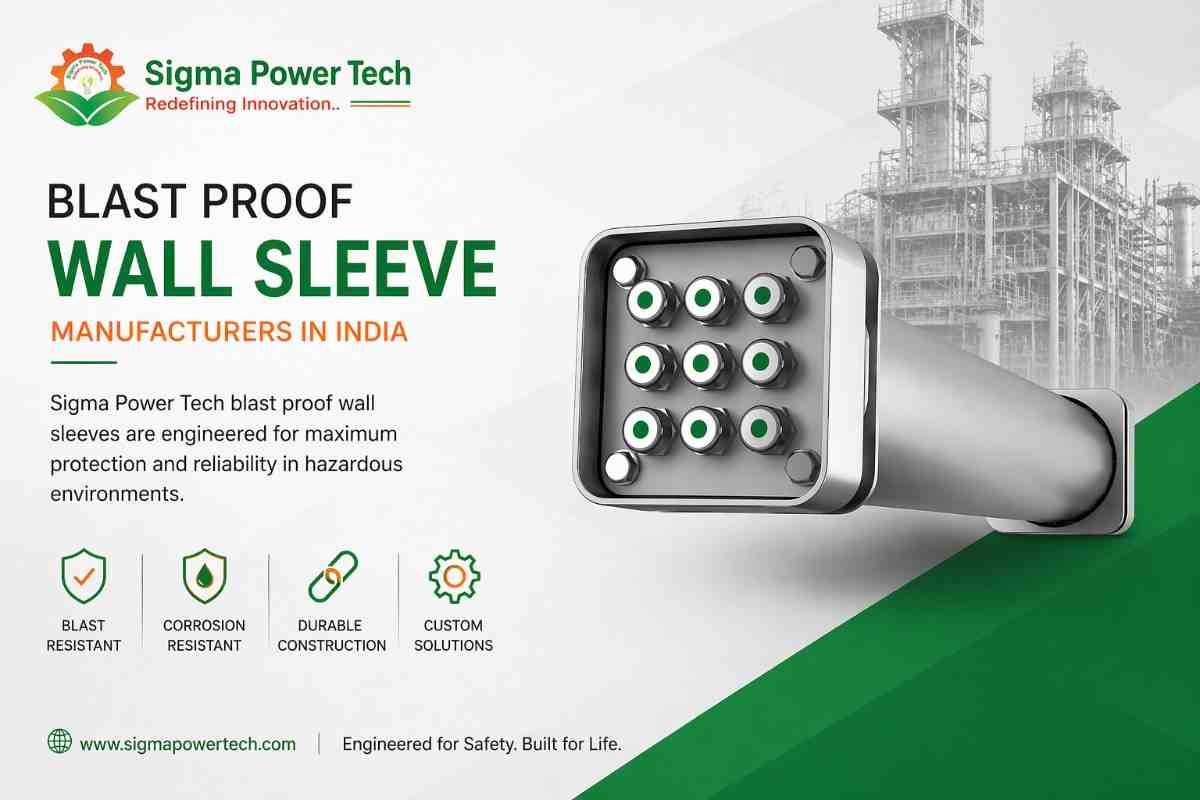
A petrochemical storage terminal experienced a pressure-related incident that triggered an internal explosion within one of its processing units. While the blast-resistant walls successfully absorbed much of the force, investigators later confirmed that the facilities equipped with a Blast Protection Wall Sleeve maintained the integrity of their service penetrations, preventing pressure waves and hazardous gases from spreading into protected control rooms. This incident highlights why explosion protection sleeves are far more than supporting hardware—they are critical safety components that strengthen the overall performance of blast-resistant infrastructure.
In hazardous industrial environments, every wall penetration represents a potential weak point unless it has been engineered to withstand explosion loads.
What is a Blast Protection Wall Sleeve?
A Blast Protection Wall Sleeve is a specially engineered wall penetration system that allows pipes, conduits, ducts, and cable trays to pass through blast-resistant walls without compromising their structural integrity. Unlike standard wall sleeves, these systems are specifically designed to resist explosion pressure while preserving the protective capability of the surrounding wall.
A professionally engineered Blast Protection Sleeve strengthens service penetrations and provides reliable sealing against smoke, hazardous gases, moisture, and dust. This ensures that critical infrastructure remains protected during and after an explosion.
Because modern industrial facilities rely heavily on interconnected utility systems, blast-rated wall sleeves are an essential part of a complete protection strategy.
How Does It Work During Explosion Pressure?
An explosion generates shock waves that travel through structures at extremely high speed. Wall penetrations often experience concentrated pressure because they interrupt the continuity of reinforced concrete or steel blast walls.
An engineered Explosion Protection Sleeve transfers these loads into the surrounding structure, reducing stress around the opening and helping prevent cracking, deformation, or structural failure. By maintaining the integrity of the wall, the sleeve helps protect people, equipment, and critical operations.
High-performance sealing systems further improve protection by preventing hazardous gases, smoke, and airborne contaminants from entering secure areas after the initial blast.
Key Features That Improve Safety
Selecting the right wall sleeve requires evaluating several critical engineering characteristics.
High Structural Strength
A quality Blast Resistant Sleeve should be manufactured from high-strength steel or equivalent engineered materials capable of withstanding severe blast forces without permanent deformation.
Proven Pressure Resistance
The sleeve should be designed and tested for the blast pressure and impulse ratings specified for the project. Certified engineering performance is essential in hazardous environments.
Reliable Sealing Performance
A dependable Blast Guard Sleeve provides gas-tight and water-tight sealing that prevents hazardous substances from passing through wall penetrations.
Corrosion Resistance
Industrial facilities frequently expose equipment to chemicals, humidity, and aggressive operating environments. Corrosion-resistant coatings improve service life while reducing maintenance requirements.
Long-Term Durability
A professionally engineered Protective Blast Sleeve should provide reliable protection over decades of operation, making it a valuable long-term investment.
Where are Blast Protection Wall Sleeves Used?
Blast protection wall sleeves are installed wherever explosion hazards require specialised engineering protection.
Typical applications include:
- Oil and gas processing facilities
- Petrochemical plants
- Chemical manufacturing units
- Defence installations
- Ammunition storage facilities
- Power generation stations
- Underground bunkers and shelters
- Industrial control rooms
- Critical infrastructure projects
In these high-risk environments, a durable Blast Shield Sleeve helps maintain structural integrity while protecting essential utility penetrations.
Factors Affecting Blast Protection Wall Sleeve Price
The cost of a blast protection wall sleeve depends on project-specific engineering requirements rather than a standard market price.
Major pricing factors include:
- Required blast pressure rating
- Sleeve diameter and wall thickness
- Material specification
- Corrosion-resistant coatings
- Gas-tight or water-tight sealing systems
- Custom fabrication requirements
- Quantity required
- Installation complexity
Although lower-cost alternatives may reduce initial expenditure, they often lack certified testing or documented engineering performance. Selecting a high-quality solution usually provides greater value throughout the facility's lifecycle.
How to Choose Blast Proof Wall Sleeve Manufacturers in India
Choosing an experienced manufacturer is critical for achieving dependable blast protection.
Before making a purchasing decision, evaluate whether the supplier offers:
- Proven expertise in blast protection engineering
- Certified testing and technical documentation
- Custom manufacturing capabilities
- Compliance with recognised engineering standards
- Technical support during design and installation
- Strong quality assurance procedures
- Reliable after-sales service
Solutions such as the Sigma Power Tech Blast Sleeve are developed for demanding industrial applications where precision engineering and dependable performance are essential.
Common Mistakes to Avoid
Several specification and procurement mistakes can reduce the effectiveness of blast-resistant structures.
Avoid these common errors:
- Choosing products based only on purchase price
- Installing conventional wall sleeves in blast-rated walls
- Ignoring certified testing and engineering documentation
- Overlooking sealing performance requirements
- Selecting manufacturers without blast engineering expertise
- Failing to inspect completed installations
Avoiding these issues helps ensure that every wall penetration contributes to the overall protection of the facility.
Now is the ideal time to review your facility's safety setup and verify that all wall penetrations comply with modern blast protection requirements.
You should also consider upgrading your protection systems if existing installations rely on conventional sleeves instead of engineered blast-rated solutions.
To remain informed about evolving industrial safety technologies, explore more safety insights and strengthen your long-term protection strategy.
Conclusion
Explosion protection sleeves play a vital role in maintaining the integrity of blast-resistant structures within hazardous industrial environments. By reinforcing wall penetrations, resisting extreme pressure, providing reliable sealing, and delivering long-term durability, they help protect people, critical assets, and essential operations when explosions occur.
Selecting a high-quality Blast Protection Wall Sleeve from an experienced manufacturer and following sound engineering practices significantly improves facility resilience. In industries where safety is paramount, investing in professionally engineered blast protection solutions is not simply a regulatory requirement—it is a practical commitment to operational reliability, infrastructure protection, and long-term business continuity.
 English
Join our community to interact with posts!