
Electrical systems used in demanding environments require more than ordinary connections. Moisture, dust, vibration, chemicals, and temperature changes can quickly compromise exposed electrical contacts, resulting in corrosion, short circuits, signal interruptions, or complete equipment failure.
This is why properly designed waterproof connection systems have become increasingly important across industrial, automotive, marine, outdoor, and electronic applications.
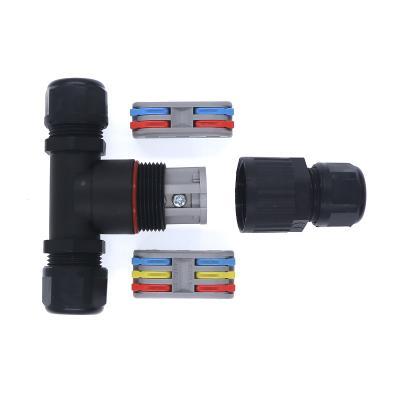
2-5 Pin Watertight Connectors provide a practical solution for protecting electrical connections while maintaining dependable power and signal transmission. Their compact construction, sealing technology, and secure connection mechanisms make them suitable for applications where conventional connectors may not provide sufficient environmental protection.
What Are Watertight Connectors?
Watertight connectors are electrical connection components designed to prevent water and moisture from reaching internal contacts. Depending on their construction and certification, they may also protect against dust, dirt, oil, vibration, and other environmental contaminants.
The number of pins determines how many electrical circuits can be accommodated within the connector. Two-pin versions are often used for simple power connections, while connectors with three, four, or five pins can handle additional circuits for sensors, controls, communication, or combined power and signal applications.
The major advantage of 2-5 Pin Watertight Connectors is their versatility. Instead of using separate connector designs for every small electrical system, manufacturers can select an appropriate pin configuration based on the number of required circuits.
How Do They Improve Electrical Safety?
Electrical safety is strongly influenced by the quality of the connection between components. A poorly protected connection can allow moisture to penetrate the housing and reach conductive surfaces. Over time, this may cause oxidation and corrosion, increasing electrical resistance and creating unreliable connections.
Sealed connectors help minimize these risks by using protective housings, gaskets, seals, and locking mechanisms. When correctly installed, these components create a barrier between the electrical contacts and the surrounding environment.
This protection can be particularly valuable in outdoor lighting, agricultural equipment, vehicles, industrial machinery, and marine electronics. In these environments, electrical components may regularly encounter rain, splashes, condensation, mud, or high humidity.
Protection Against Moisture and Contaminants
Water is one of the most common causes of electrical connection problems. Even small amounts of moisture can create corrosion over time. If contaminants remain trapped around electrical contacts, degradation can accelerate.
Watertight Connectors are designed to reduce the possibility of environmental contaminants entering the connection point. Sealing elements around the cable entry and connector interface help create a protected internal space.
However, users should understand that "watertight" does not automatically mean that every connector can be submerged indefinitely. Actual protection depends on the connector's design, installation method, and IP rating. Selecting a product with an appropriate environmental rating is therefore essential.
The Role of a Secure Locking System
A connector needs to remain mechanically secure as well as electrically reliable. Vibration and movement can gradually loosen poorly designed connections, especially in vehicles and industrial machinery.
Many waterproof connector systems incorporate locking mechanisms that help keep mating halves securely connected. Some designs use threaded coupling, while others rely on clips or locking tabs.
A secure mechanism helps prevent accidental disconnection while also maintaining consistent contact pressure between terminals. This can be particularly important for equipment exposed to continuous vibration.
For applications requiring frequent connection and disconnection, a dry mate connector can also be useful because it is designed to mate without requiring the contacts to be submerged or exposed to liquid during the connection process.
Choosing the Correct Pin Configuration
Selecting the right number of pins is an important part of connector design. A two-pin connector may be sufficient for positive and negative power connections, while a three-pin configuration could support power, ground, and a signal circuit.
Four- and five-pin configurations provide additional flexibility for more complex equipment. They can accommodate multiple signals, control circuits, sensors, or separate power pathways within a single connector assembly.
Before purchasing 2-5 Pin Connectors, engineers should identify the required voltage, current, number of circuits, wire size, environmental conditions, and available installation space. These factors help determine whether a particular connector is suitable for the application.
Applications Across Different Industries
Water-resistant electrical connectors are used in a wide range of industries. In automotive applications, they can protect wiring associated with lighting, sensors, motors, and control systems. Construction and agricultural machinery can use them for electrical systems exposed to mud, rain, dust, and mechanical vibration.
Marine applications place particularly high demands on connector protection because saltwater and humidity can accelerate corrosion. Outdoor LED lighting systems also benefit from sealed connections because fixtures are constantly exposed to changing weather conditions.
Industrial automation is another important application. Sensors, actuators, motors, and control devices often operate around machinery where moisture, oils, and dust may be present.
A dry mate connector may be selected in systems where connectors must be joined or separated in dry conditions while maintaining reliable environmental protection during operation.
Installation Best Practices
Even a high-quality connector can fail if it is installed incorrectly. Cable preparation should follow the manufacturer's specifications, and terminals should be properly crimped or assembled to ensure reliable electrical contact.
Seals should remain free from cuts, dirt, and deformation. Excessive bending near the connector can place unnecessary stress on cables and sealing components. Where appropriate, cables should be supported to prevent their weight from pulling directly on the connection.
Technicians should also inspect connectors periodically. Signs of corrosion, damaged seals, cracked housings, loose terminals, or water intrusion should be addressed before they cause a larger electrical problem.
Why Reliability Matters
Electrical failures can be expensive, particularly when they result in machinery downtime or equipment replacement. A small connector problem can interrupt an entire system if it affects a critical sensor, power circuit, or communication line.
Using appropriately rated waterproof connectors helps reduce the risk of these failures. Better protection can increase service life, reduce maintenance requirements, and improve overall system reliability.
In demanding environments, 2-5 Pin Watertight Connectors offer a combination of environmental protection, electrical performance, and installation flexibility. Their compact designs can also help simplify wiring compared with multiple individual connection points.
Watertight Connector vs. Other Connection Types
Not every application requires the same connector technology. Standard connectors may be perfectly suitable for clean, dry indoor environments. However, they may not provide enough protection for outdoor or wet conditions.
A dry mate connector is another specialized option when reliable mating and environmental protection are required under specific operating conditions. The appropriate choice depends on whether the equipment will encounter water, dust, vibration, chemicals, or repeated connection cycles.
Engineers should therefore consider the complete operating environment rather than choosing a connector based solely on its appearance or pin count.
Conclusion
Reliable electrical connections are essential for modern equipment, particularly when systems operate in challenging environments. Moisture, dust, vibration, and corrosion can gradually damage conventional connections and create costly failures.
2-5 Pin Watertight Connectors help address these challenges by combining multiple electrical circuits with protective sealing and secure mechanical connections. From vehicles and industrial machinery to marine electronics and outdoor lighting, they can provide valuable protection when correctly selected and installed.
By considering pin requirements, electrical specifications, environmental ratings, sealing quality, cable compatibility, and installation procedures, users can build safer and more dependable electrical systems. Choosing the right connector is a relatively small design decision, but it can make a significant difference to long-term performance, maintenance, and equipment reliability.
 English
Join our community to interact with posts!