
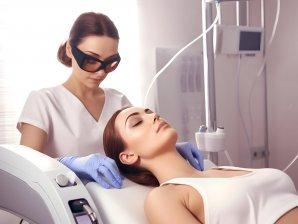
If you are considering Ultherapy Treatment in Dubai, learning what to expect before scheduling the procedure can make the experience more straightforward. Ultherapy is designed for people who want to address certain signs of skin laxity through focused ultrasound energy rather than traditional surgery.
Knowing the purpose of the treatment, understanding whether your concerns match its capabilities, and preparing your skin appropriately are all important steps. A clear understanding of the process can also help you establish realistic expectations about the results.
What Should You Know About Ultherapy Treatment in Dubai?
Ultherapy Treatment in Dubai is primarily intended to improve the appearance of mild to moderate skin laxity. It uses focused ultrasound energy to target specific tissue layers and stimulate a natural collagen response.
The treatment is not designed to produce the same structural changes as surgery. Instead, it works gradually as the body responds to controlled ultrasound stimulation.
This distinction is important before treatment because expectations should match what a non-surgical procedure can realistically achieve.
Understand Your Main Skin Concern
Before considering treatment, identify what you actually want to improve.
Your primary concern may be loose skin around the jawline, reduced firmness beneath the chin, neck laxity, or mild changes around the brow. Different concerns may require different approaches.
Ultherapy is mainly associated with tightening and firmness. It is not a universal solution for every facial concern, so understanding the primary issue can help determine whether the treatment makes sense for you.
Who May Consider Ultherapy?
Adults with mild to moderate skin laxity may consider Ultherapy if they prefer a non-surgical approach.
It may be particularly relevant for people who have started noticing softer facial contours or reduced skin firmness but do not want a traditional facelift.
People with significant excess skin may have different needs. In such situations, a non-surgical tightening treatment may not provide the degree of correction they expect.
What Happens Before the Procedure?
A proper assessment should take place before treatment. The areas of concern can be examined, and factors such as skin quality, laxity, facial structure, and desired outcome can be discussed.
Previous aesthetic treatments and current skincare practices may also be relevant when planning treatment.
This preparation helps establish which areas should be addressed and what type of outcome can reasonably be expected.
Should You Discuss Your Expectations?
Yes. Expectations are an important part of the treatment process.
If your goal is a subtle improvement in firmness, Ultherapy may align well with your preferences. If you expect an immediate and dramatic lift, you may need to reconsider whether a collagen-stimulating treatment matches your desired outcome.
Discussing the appearance you want to improve can help create a more realistic treatment plan.
How Should You Prepare Your Skin?
Preparation varies depending on individual circumstances and the treatment plan. It is useful to discuss your regular skincare products and any recent cosmetic procedures before treatment.
Avoid making unnecessary changes to your skincare routine immediately before the procedure unless advised to do so.
Following the specific preparation instructions provided for your treatment can help ensure that your skin is appropriately prepared.
What Does Ultherapy Feel Like?
The treatment experience differs between individuals. Focused ultrasound energy can create sensations such as warmth, tingling, pressure, or brief pulses.
Sensitivity can vary according to the treatment area and personal tolerance.
Knowing that these sensations may occur can help you feel more prepared and understand that the procedure is different from a traditional surgical treatment.
Does Ultherapy Require Downtime?
Ultherapy generally does not involve the prolonged recovery associated with surgery. However, temporary effects may occur.
Redness, tenderness, swelling, sensitivity, or tingling can appear after treatment. These reactions vary from person to person.
You should allow the treated skin to settle and follow the recommended aftercare instructions rather than immediately judging the final outcome.
When Should You Expect Results?
One of the most important things to know before treatment is that results are gradual.
Ultherapy encourages collagen production and remodeling, and this biological process takes time. Some changes may become noticeable earlier, while more developed improvements can appear over the following weeks and months.
Your personal timeline may differ from someone else's, so results should be evaluated according to your own progress.
What Can Affect the Outcome?
Several factors can influence how the skin responds.
Age, existing skin laxity, skin quality, lifestyle, sun exposure, genetics, and natural collagen production can all play a role.
The treatment area also matters. Skin around the neck may respond differently from the jawline or brow because facial anatomy and tissue characteristics vary.
This is why treatment outcomes should never be judged solely by another person's experience.
What Should You Ask Before Treatment?
Before proceeding, it can be helpful to ask clear questions about the procedure and expected outcome.
You may want to understand which areas are being targeted, how the treatment is expected to address your concerns, what temporary effects may occur, and how long the results may take to develop.
You should also understand the limitations of non-surgical skin tightening so that your expectations remain realistic.
What About Existing Skincare Treatments?
If you regularly use active skincare products or have recently undergone another aesthetic procedure, mention this during your assessment.
Certain treatments may affect how your skin should be prepared or cared for around the time of Ultherapy.
Providing complete information about your current skincare routine can help ensure that your treatment plan is appropriate for your skin.
How Can You Prepare for Aftercare?
It is useful to understand your aftercare instructions before the procedure rather than waiting until afterward.
You may need to temporarily avoid unnecessary irritation of the treated area and follow specific recommendations for skincare.
Protecting your skin from excessive sun exposure is also important because ultraviolet radiation contributes to collagen breakdown and visible skin aging.
What Are Realistic Expectations?
A realistic expectation is gradual improvement in the appearance of firmness rather than a dramatic overnight transformation.
Ultherapy may help the skin look more supported and can contribute to improved facial definition when mild to moderate laxity is present.
It does not physically remove excess skin or provide the same structural correction as a surgical facelift.
Understanding this difference can help you evaluate the treatment more objectively.
Final Thoughts
Before choosing Ultherapy Treatment in Dubai, it is important to understand your primary skin concern, assess whether the treatment suits your degree of laxity, and establish realistic expectations about gradual collagen-based results. Proper preparation, clear communication about your goals, and appropriate aftercare can contribute to a smoother treatment experience. If you are researching personalized options for non-surgical skin tightening, TAJMEELS CLINIC can be considered while exploring Ultherapy and other aesthetic treatments.
 English
Join our community to interact with posts!