
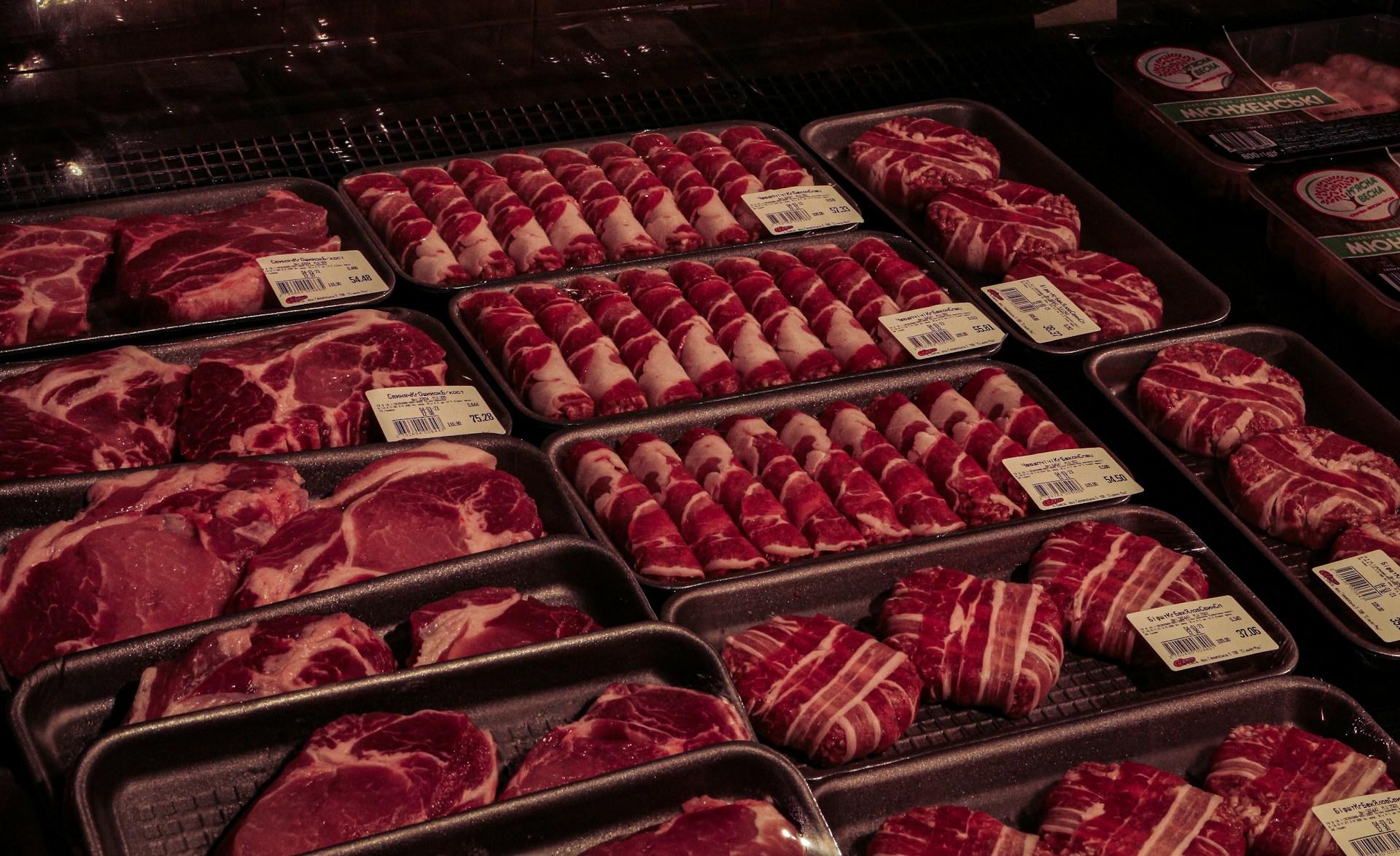
Open a fridge at random on any given evening and there's a decent chance something in there is living on borrowed time — a pack of chicken thighs pushed to the back, a steak nobody got around to cooking, ground beef that's starting to look a little too gray. Nobody wants to play a guessing game with food safety, yet most people do exactly that, tossing meat based on smell alone rather than actual shelf-life knowledge. Understanding Meat Storage Peoria IL households and restaurants alike rely on isn't just kitchen trivia — it's the difference between a good meal and a trip to urgent care.
Different meats age differently, plain and simple. Ground meat behaves nothing like a whole roast, and poultry plays by its own set of rules entirely. Lumping them all together under one "when in doubt, throw it out" rule wastes food and money that didn't need wasting.
Why Ground Meat Spoils Faster Than Whole Cuts
Ever wonder why ground beef gets a shorter shelf life than a ribeye? It comes down to surface area. Grinding meat exposes far more surface to air and bacteria than an intact cut ever would, which means microorganisms have more entry points to multiply. A whole steak protects its interior fairly well; ground meat offers no such shield.
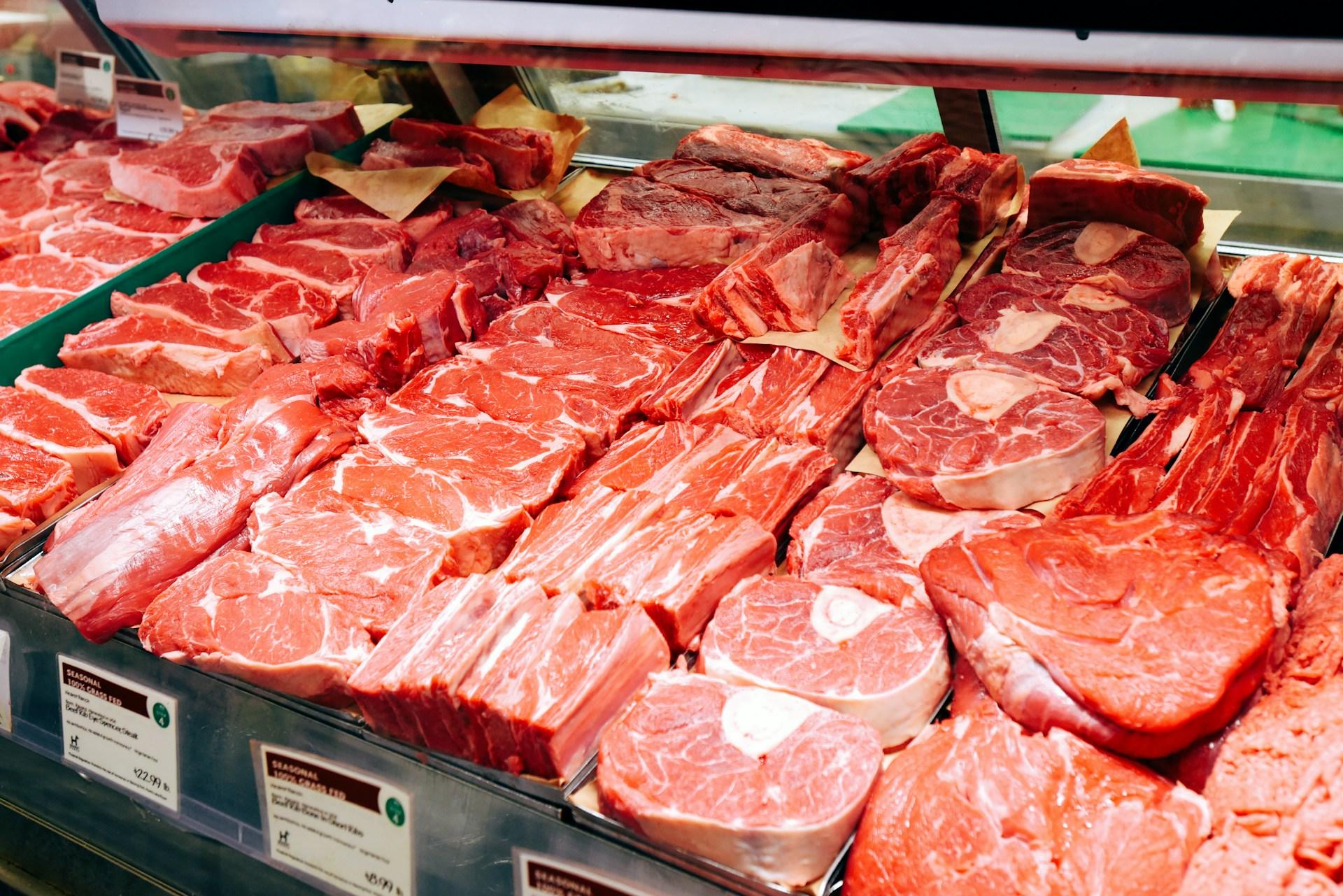
Refrigerated ground beef, turkey, or pork typically holds up for one to two days before quality and safety start declining. Freeze it, though, and the clock resets dramatically — three to four months in a properly sealed freezer, sometimes longer if vacuum-packed. Temperature consistency matters here more than people realize. A freezer that fluctuates, even slightly, accelerates freezer burn and degrades texture faster than a steady, cold environment would.
Poultry — Handle With a Little Extra Caution
Chicken and turkey carry a reputation for spoiling quickly, and that reputation is earned. Raw poultry generally lasts one to two days refrigerated, similar to ground meat, but the bacterial risk profile is different — salmonella and campylobacter are common concerns, and they don't always produce obvious smell or color changes before becoming dangerous.
Frozen poultry, on the other hand, can safely last nine months to a year without major quality loss. Whole birds tend to hold up slightly longer than cut pieces, mostly because less surface area gets exposed to freezer air. Still, "safe to eat" and "tastes great" aren't always the same thing after long freezer stints — texture can suffer even when safety doesn't.
Whole Cuts and Steaks — The Forgiving Category
Beef, pork, and lamb in whole-cut form (steaks, roasts, chops) are the most forgiving when it comes to storage. Refrigerated, they generally last three to five days, noticeably longer than ground varieties. Frozen properly, these cuts can remain good for anywhere from six months to a year, sometimes longer for particularly dense cuts like a bone-in roast.
Why the difference? Density and lower surface exposure again play the starring role. Whole muscle tissue resists bacterial penetration better than ground product, giving it a natural storage advantage. That said, wrapping matters immensely — air exposure in the freezer causes freezer burn regardless of cut, and once that sets in, texture takes a real hit even if the meat remains technically safe.
Processed and Cured Meats Follow Their Own Timeline
Bacon, sausage, deli meats — these occupy a strange middle ground. Curing agents and preservatives extend shelf life somewhat, but processed meats still spoil faster than most people assume. Bacon typically holds one week refrigerated, while deli meats often last three to five days once opened. Frozen, most processed meats hold reasonably well for one to two months, though salt content can affect texture upon thawing in ways whole cuts don't experience.
This is also where broader industry practices come into play. Facilities handling Meat Manufacturing Peoria IL businesses depend on follow strict temperature control protocols long before products ever reach a store shelf, which explains why commercially processed meats often carry more predictable shelf-life windows than something butchered and packaged informally.
A Few Practical Habits Worth Adopting
Labeling freezer bags with dates sounds almost too obvious to mention, yet it's routinely skipped — and it's genuinely one of the simplest ways to avoid guesswork later. Keeping a refrigerator at or below 40°F, and a freezer at 0°F, isn't just a suggestion; it's the baseline that makes every shelf-life estimate above actually valid. Warmer settings shrink those windows considerably, sometimes without any visible warning sign.
Final Thought
Meat storage isn't complicated once the basic logic clicks — surface area, density, and temperature consistency drive almost everything. Ground meat spoils fast, whole cuts hold longer, poultry demands extra caution, and processed meats sit somewhere in between. None of it requires guesswork once the patterns are understood, and honestly, that alone saves both food and money that too many kitchens lose unnecessarily.
 English
Join our community to interact with posts!