
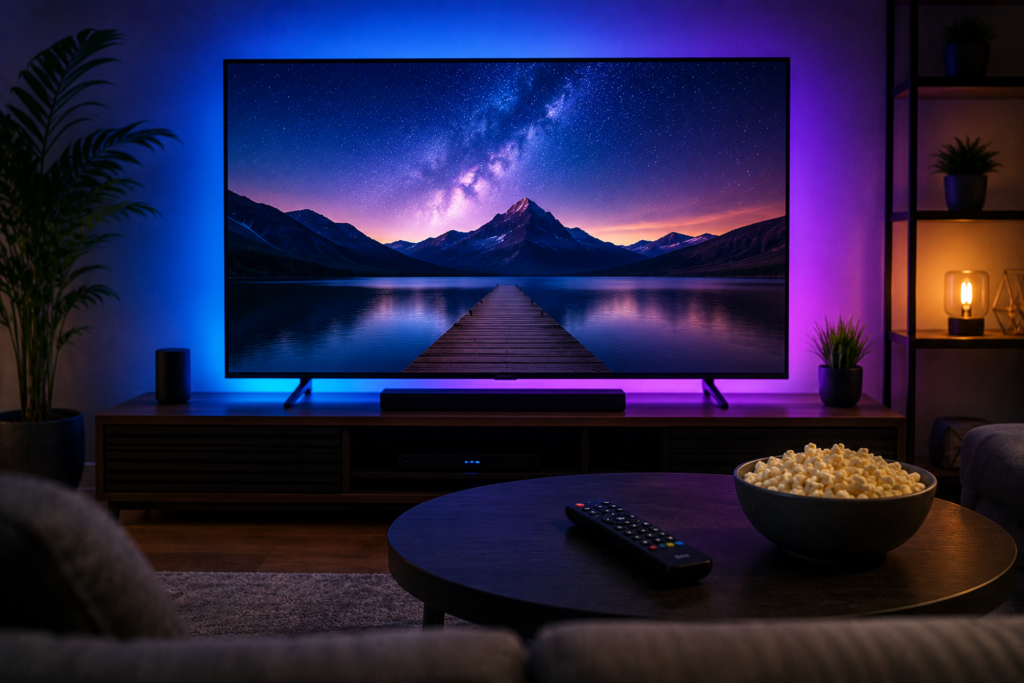
Entertainment used to have a fairly fixed place in people's routines. Families gathered around the television after dinner, listened to music through dedicated devices, and waited for scheduled programs. Today, entertainment can be accessed almost anywhere, often through devices people already use every day.
Phones, smart TVs, tablets, laptops, and connected home systems have made digital entertainment a natural part of daily life. People can watch a live event, listen to music, follow a favorite program, or discover something new without depending on one specific device or location.
Entertainment Fits Into Everyday Routines
One of the biggest changes is convenience. People can now access entertainment during different parts of their day instead of reserving a particular time for it.
Someone might watch television after work, listen to music while exercising, or catch up on a program during a quiet moment. This flexibility allows entertainment to fit around existing routines rather than requiring people to reorganize their schedules.
Smartphones Have Changed How People Consume Content
The smartphone has become one of the most important entertainment devices.
A single phone can provide access to video, music, podcasts, social media, games, and other forms of digital content. This means entertainment is no longer limited to the living room.
People can move between different types of content throughout the day. A short video during a break and a full movie in the evening can both be part of the same digital routine.
Smart TVs Are Bringing the Internet Into the Living Room
While mobile devices are important, the television remains central to home entertainment.
Smart TVs have made it possible to combine the familiar large-screen experience with internet-connected services. Viewers can access different types of programming without relying entirely on traditional broadcast schedules.
This has also changed expectations. People increasingly want television interfaces that are simple to navigate, easy to search, and compatible with the devices they already use.
Families Have More Entertainment Choices
Digital technology has also changed how families share entertainment.
Household members may have different interests, but connected devices give them more ways to enjoy individual content while still coming together for shared viewing.
A family might watch a movie together on the main television, while individual members use phones or tablets at other times. This balance between personal and shared entertainment has become increasingly common.
Content Discovery Is Becoming Easier
Digital entertainment provides more choices than traditional television could offer. However, having more content also creates the challenge of finding something relevant.
Search functions, categories, recommendations, playlists, favorites, and electronic program guides can make discovery easier. Instead of browsing through everything available, viewers can look for a particular genre, program, channel, or type of content.
Good organization can make a large amount of entertainment feel much easier to manage.
Live Entertainment Remains Popular
Digital entertainment isn't limited to on-demand content. Live programming continues to attract viewers, particularly for sports, news, concerts, and major events.
Internet-based technology allows live content to become part of the same connected environment as other digital entertainment. Viewers can use compatible devices to follow events as they happen while benefiting from modern navigation and accessibility features.
This shows that digital entertainment isn't replacing every traditional viewing habit. Instead, it is expanding the ways people can experience familiar forms of content.
Internet Connectivity Has Become Essential
As more entertainment moves online, internet connectivity has become an important part of the experience.
Streaming video, online gaming, video calls, and other activities can all compete for available bandwidth. Households with several connected devices should consider whether their network can comfortably handle their normal usage.
A reliable connection, good Wi-Fi coverage, and suitable networking equipment can help reduce interruptions and create a smoother entertainment experience.
People Are Creating More Personalized Experiences
Digital entertainment allows people to choose content based on their individual interests.
Someone interested in international programming can explore content from different regions. Sports fans can follow specific competitions, while movie enthusiasts can search for particular genres or themes.
People looking for additional information about modern digital entertainment can start by considering which content types, devices, and viewing features best match their everyday habits.
Entertainment Is Becoming More Connected
Digital entertainment is also becoming part of the wider connected home. Smart speakers, gaming consoles, televisions, smartphones, and other devices can work together through home networks.
This creates an environment where entertainment isn't tied to one piece of equipment. Instead, different devices can serve different purposes depending on the situation.
As technology continues to develop, this connected approach is likely to become even more common.
Final Thoughts
Digital entertainment has become part of everyday life because it fits naturally into the way people already use technology. Viewers have more choices, more devices, and more control over how they spend their free time.
The traditional television experience still has value, especially for shared viewing and live events. But connected technology has expanded that experience, making entertainment more flexible, accessible, and personalized for modern households.
 English
Join our community to interact with posts!