
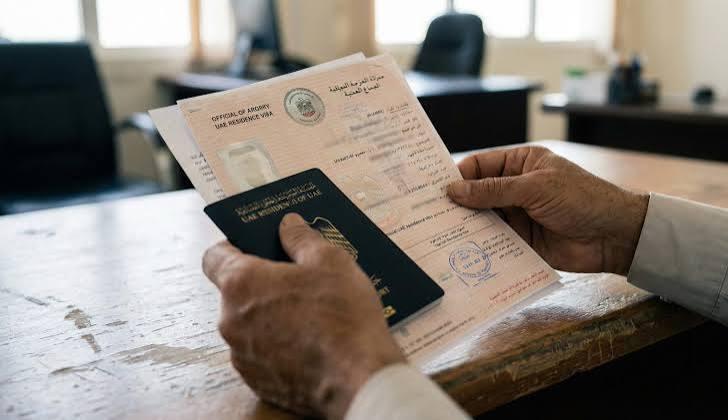
Quick answer: A UAE residency visa lets you live, work, and sponsor your family in the Emirates. To secure one, you typically need a valid passport, a job offer or business setup, medical clearance, and Emirates ID registration. Sponsoring family members requires proof of income, housing, and relationship documents. Getting the process right protects your family's stability and future in the country.
Moving to the UAE is an exciting step, but the paperwork can feel overwhelming. Between visa categories, sponsorship rules, and document checklists, it's easy to lose track of what you actually need. Getting it wrong can mean delays, fines, or even a rejected application.
This guide breaks down the UAE residency visa requirements in plain language. You'll learn what documents you need, how to sponsor your loved ones, and where to find trusted support. By the end, you'll have a clear roadmap to build a stable life for your family in the Emirates.
Whether you're relocating for work or setting up a business, understanding the rules upfront saves time and stress. Let's walk through everything step by step.
What Are the UAE Residency Visa Requirements?
A UAE residency visa is your legal permission to live in the country long term. It also opens the door to essentials like opening a bank account, renting a home, enrolling children in school, and accessing healthcare. Most residency visas are valid for two or three years and can be renewed.
Here are the common requirements for a standard residency visa:
- A valid passport with at least six months of validity
- A recent passport-size photo with a white background
- A completed visa application form
- An entry permit issued before you arrive or adjust status
- A medical fitness test at an approved health center
- Emirates ID registration and biometric data
- Proof of employment, business ownership, or property investment
The exact documents depend on the type of visa you apply for. Employees are usually sponsored by their employer, while business owners sponsor themselves through their company. Property investors and retirees have their own dedicated pathways too.
If you find the process confusing, professional Family Visa Services Business Bay Dubai can handle the paperwork on your behalf. These specialists stay updated on the latest rules, which helps you avoid costly mistakes and long queues at government offices.
How Do You Sponsor Your Family Members?
One of the biggest benefits of a UAE residency visa is the ability to bring your family with you. Sponsoring your spouse, children, or parents keeps everyone together under one roof and gives them legal status in the country.
To sponsor family members, the main applicant usually needs to meet a minimum salary threshold. As a general rule, husbands sponsoring a family need to earn at least AED 4,000 per month, or AED 3,000 plus accommodation. Rules can vary slightly by emirate and situation, so it's wise to confirm the current figures before applying.
You will typically need these documents to sponsor relatives:
- Your valid residency visa and Emirates ID
- An attested marriage certificate for spouse sponsorship
- Attested birth certificates for children
- A tenancy contract or proof of suitable housing
- Recent salary certificate or employment contract
- Medical fitness certificates for family members over 18
Sons can usually be sponsored until age 18, or up to 25 if they are enrolled in full-time education. Daughters can often be sponsored until they marry. Parents may require a higher income level and health insurance coverage.
Reliable Residence Visa Services Dubai Business Bay can guide you through each sponsorship category. They help gather attested documents, book medical appointments, and submit applications correctly the first time. This support is especially valuable for busy professionals who don't have time to visit multiple offices.
Which Visa Type Fits Your Situation?
Choosing the right visa depends on your goals and circumstances. Here's a quick breakdown to help you decide:
- Employment visa: Best if you have a job offer from a UAE company. Your employer handles the sponsorship and most of the paperwork.
- Investor or partner visa: Ideal for business owners who set up a company in Dubai. This lets you sponsor yourself and your family.
- Golden Visa: A long-term option, valid for five or ten years, aimed at investors, entrepreneurs, skilled professionals, and outstanding students.
- Property investor visa: Suited to those who buy qualifying real estate above a set value.
- Retirement visa: Designed for residents over 55 who meet income or savings requirements.
Choose the Golden Visa if long-term security matters most to you and you meet the eligibility criteria. Choose an employment visa if you're relocating for a specific job and want a simpler route.
Helpful Tips for a Smooth Visa Application
A little preparation goes a long way. These practical tips can save you time and stress:
- Start early. Begin gathering documents weeks before you plan to apply. Attestation and translation can take longer than expected.
- Keep documents attested. Certificates from your home country often need attestation by the UAE embassy and the Ministry of Foreign Affairs.
- Double-check spelling. Make sure names match exactly across your passport, certificates, and application forms.
- Book medical tests promptly. The medical fitness test is a required step, so schedule it as soon as your entry permit is ready.
- Arrange health insurance. Valid medical insurance is mandatory for residents and their sponsored family members.
- Renew on time. Track expiry dates to avoid fines for overstaying or late renewal.
Working with an experienced visa consultant in Business Bay can simplify all of these steps. They understand the local system and keep you informed at every stage.
Frequently Asked Questions
How long does it take to get a UAE residency visa?
The full process usually takes between one and three weeks once your entry permit is approved. Timelines depend on the medical test, Emirates ID processing, and how quickly you submit documents. Using a visa service can speed things up.
How much income do I need to sponsor my family?
Most applicants need to earn at least AED 4,000 per month, or AED 3,000 plus housing, to sponsor a spouse and children. Sponsoring parents may require a higher income and health insurance. Confirm the current thresholds before you apply.
Can I sponsor my parents on a UAE residency visa?
Yes, you can sponsor your parents, but the rules are stricter. You usually need a higher minimum salary, valid health insurance for them, and proof that they depend on you financially. A visa consultant can advise on the exact requirements.
What happens if my residency visa expires?
An expired visa can lead to daily fines and complications with renewal. You should renew before the expiry date to keep your legal status active. Sponsored family members' visas are linked to yours, so they expire at the same time.
Do I need a sponsor to get a residency visa?
Most residency visas require a sponsor, such as an employer, a company you own, or a family member. However, options like the Golden Visa and property investor visa allow self-sponsorship if you meet the criteria.
Final Words
Securing a UAE residency visa is one of the most important steps toward building a stable and happy life for your family in the Emirates. When you understand the requirements early, gather your documents carefully, and choose the right visa type, the process becomes far less stressful.
Take the time to plan ahead, keep your paperwork in order, and stay on top of renewal dates. If the process feels complicated, professional visa specialists in Business Bay Dubai can guide you from start to finish, so you can focus on settling into your new home.
Your family's future in the UAE is worth getting right. Start early, stay organized, and take that first confident step today.
 English
Join our community to interact with posts!