
Introduction
Acne is one of the most common skin concerns affecting teenagers and adults. Pimples, blackheads, whiteheads, painful bumps, and recurring breakouts can affect not only the appearance of the skin but also confidence and overall quality of life. With the right diagnosis and personalized treatment approach, acne can often be managed effectively.
If you are looking for acne treatment in Mumbai, professional dermatological care can help identify the type and severity of acne and determine a treatment plan suited to your skin. Since different forms of acne can have different causes and treatment requirements, a customized approach is generally more appropriate than trying multiple products without professional guidance.
At Adore Skin, Hair & Laser Clinic, patients can seek professional guidance for acne and other skin concerns. The goal of acne care is not simply to reduce existing pimples but also to control future breakouts and reduce the possibility of acne-related marks and scarring.
What Is Acne?
Acne is a common inflammatory skin condition that develops when hair follicles become clogged with oil and dead skin cells. It can appear as blackheads, whiteheads, pimples, nodules, or cysts. Acne commonly affects the face but can also occur on the chest, shoulders, back, and other areas.
The American Academy of Dermatology recommends several evidence-based topical and systemic treatments for acne, including benzoyl peroxide, topical retinoids, certain antibiotics, salicylic acid, azelaic acid, and other treatments depending on the individual case.
Because acne varies considerably from person to person, acne treatment in Mumbai should ideally begin with a professional skin assessment.
Why Is Acne Treatment Important?
Occasional pimples may disappear without causing significant problems, but persistent or severe acne can result in inflammation, dark spots, and permanent scars.
Professional acne treatment in Mumbai can focus on three important goals:
- Managing existing acne
- Reducing new breakouts
- Helping prevent acne scars and persistent marks
The appropriate treatment depends on factors such as acne type, severity, skin type, age, previous treatments, medications, and individual circumstances.
Common Types of Acne
Understanding the type of acne you have can help determine the appropriate treatment approach.
Whiteheads
Whiteheads occur when a pore becomes clogged and remains closed at the surface. They often appear as small, pale or skin-colored bumps.
Blackheads
Blackheads are open clogged pores. Their dark appearance does not mean that the skin is dirty; the color is related to the contents of the pore reacting with air.
Papules
Papules are small, raised, inflamed bumps that can appear red and tender.
Pustules
Pustules are inflamed lesions that may contain pus and are commonly recognized as pimples.
Nodules and Cysts
Deep, painful nodules and cysts can be more severe forms of acne and may have a greater risk of scarring. Such cases generally require professional dermatological assessment.
What Causes Acne?
Acne can develop due to several interacting factors rather than one single cause.
Common contributing factors include:
- Excess oil production
- Clogged pores
- Bacterial activity
- Inflammation
- Hormonal changes
- Certain medications
- Genetic factors
- Skin and hair products that may clog pores
Hormonal fluctuations can be particularly relevant during adolescence and in some adults. A dermatologist can evaluate the pattern of breakouts and determine whether additional investigation or treatment may be appropriate.
Acne Treatment in Mumbai for Different Skin Concerns
There is no single acne treatment that works for everyone. The treatment approach may differ depending on whether the patient has comedonal acne, inflammatory acne, hormonal acne, or severe acne.
The American Academy of Dermatology notes that there is no one-size-fits-all acne treatment and that dermatologists select treatments based on the patient's acne type and individual needs.
Topical Acne Treatments
Topical medications are commonly used for acne and are applied directly to the affected skin.
Depending on the individual case, a dermatologist may recommend ingredients such as:
- Benzoyl peroxide
- Topical retinoids
- Salicylic acid
- Azelaic acid
- Prescription topical antibiotics
- Combination topical treatments
The 2024 AAD acne guidelines recommend several of these options as evidence-based treatments.
Patients should use prescription treatments exactly as directed. Using larger quantities or combining multiple strong products without guidance can increase irritation.
Oral Acne Treatments
Moderate to severe acne may sometimes require medication that works throughout the body.
Depending on the patient's circumstances, a dermatologist may consider options such as oral antibiotics or hormonal treatments. For selected patients with severe acne or acne that has not responded adequately to standard treatments, isotretinoin may be considered under appropriate medical supervision.
These treatments require professional evaluation because they can have contraindications, side effects, or monitoring requirements.
Acne Treatment for Hormonal Acne
Hormonal changes can contribute to recurring acne in some people. Hormonal acne may commonly appear around the lower face, jawline, or chin, although acne patterns can vary.
Women experiencing persistent adult acne along with other hormonal symptoms may benefit from discussing the overall pattern with a dermatologist.
Depending on the diagnosis, treatment can involve topical medication, oral medication, or hormonal approaches. The AAD guidelines include certain hormonal treatments among options that may be appropriate for selected patients.
Acne Treatment for Severe Acne
Severe acne can include numerous inflamed lesions, nodules, or cysts. It can be painful and may increase the risk of permanent scarring.
If over-the-counter products are not controlling severe acne, professional acne treatment in Mumbai may be necessary.
A dermatologist can determine the severity of the condition and select an appropriate treatment plan. Severe acne should not be repeatedly squeezed or picked because this can increase inflammation and the risk of scarring.
Acne and Acne Scars
Acne and acne scars are related but different concerns.
Acne treatment primarily focuses on controlling active breakouts, while acne scar treatment focuses on improving the appearance of scars that remain after acne has healed.
This distinction is important because treating active acne before undertaking certain scar-focused procedures may be necessary.
Professional acne treatment in Mumbai can therefore be an important first step for patients who are experiencing both active acne and concerns about future scarring.
Can Acne Cause Dark Spots?
Yes. Acne can leave behind dark marks known as post-inflammatory hyperpigmentation. These marks can remain after the active pimple has disappeared.
This can be particularly noticeable in people with darker skin tones. The AAD notes that acne in skin of color is often accompanied by dark spots or patches after acne clears.
A dermatologist can recommend an appropriate approach for both acne and post-acne pigmentation. Treatment may involve controlling active acne first and then addressing persistent marks.
Why Professional Acne Treatment Is Better Than Random Products?
The skincare market offers countless acne products, but using multiple products at once can sometimes irritate the skin.
A professional approach starts with identifying what type of acne you have and how severe it is. A dermatologist can then recommend appropriate products or medications and explain how to use them.
The AAD advises patients to follow their acne treatment consistently because improvement can take several weeks, and frequently switching treatments may irritate the skin.
Daily Skincare Tips During Acne Treatment
A good skincare routine can complement professional acne treatment in Mumbai.
Cleanse Gently
Wash the face gently rather than aggressively scrubbing the skin. The AAD recommends gentle, non-abrasive cleansing and avoiding harsh scrubbing.
Avoid Picking Pimples
Squeezing or popping pimples can increase inflammation and may raise the risk of scars and dark marks.
Choose Suitable Products
Look for skincare products appropriate for acne-prone skin and avoid unnecessarily heavy or irritating products.
Protect Your Skin From the Sun
Sun protection is an important part of skincare, particularly when dealing with post-acne marks. A dermatologist can recommend a suitable sunscreen based on your skin type and treatment plan.
Follow Your Treatment Plan
Acne treatment requires consistency. Do not discontinue or change prescription medication without consulting your dermatologist.
What to Expect During an Acne Consultation?
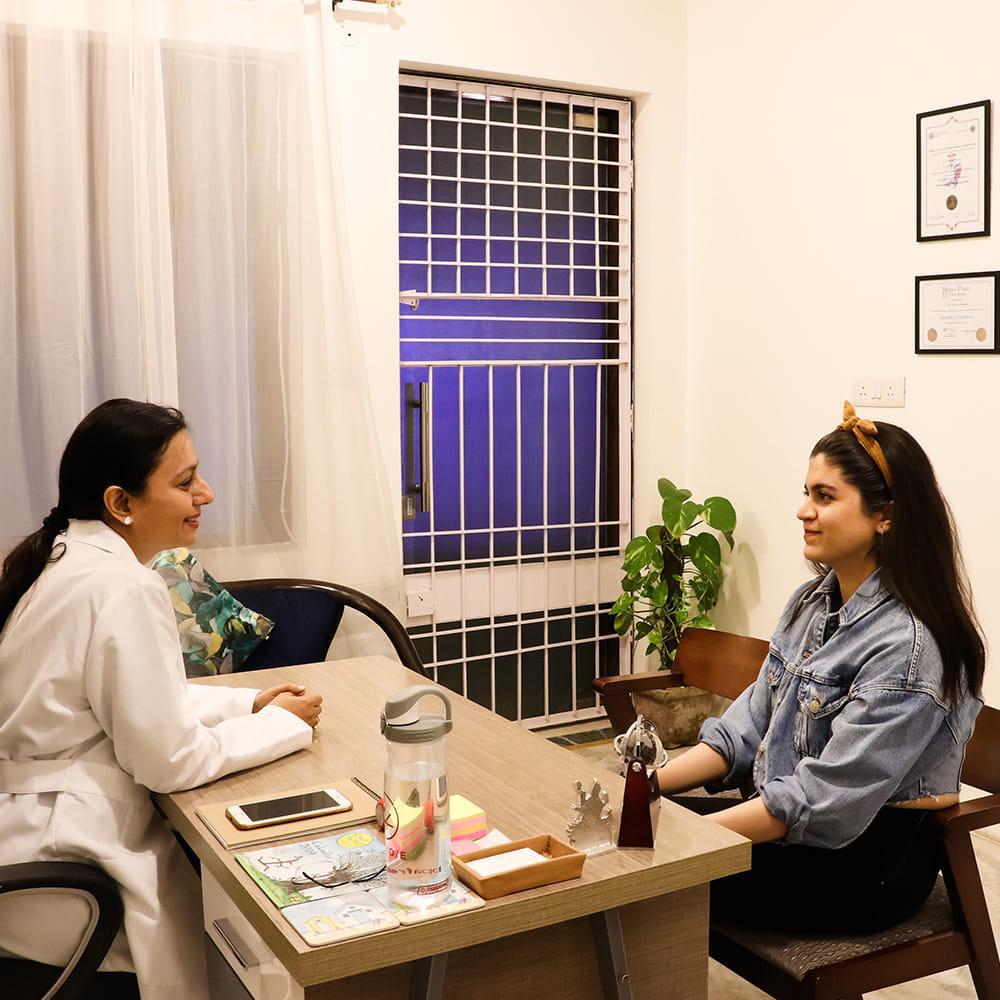
When you visit a dermatologist for acne treatment in Mumbai, the consultation may begin with an examination of your skin.
The dermatologist may assess:
- Type of acne
- Severity of acne
- Location of breakouts
- Duration of the condition
- Previous treatments
- Skin sensitivity
- Presence of acne marks
- Presence of acne scars
- Possible hormonal factors
- Current skincare routine
Based on the assessment, the dermatologist can recommend a treatment plan.
How Long Does Acne Treatment Take?
Acne does not usually disappear overnight. The time required to see improvement varies depending on the severity of acne, selected treatment, consistency, and individual response.
The AAD states that patients generally need to follow an acne treatment plan for several weeks before seeing fewer breakouts.
Therefore, patience and consistency are important when undergoing acne treatment in Mumbai.
Who Can Benefit From Acne Treatment in Mumbai?
Professional acne treatment can be useful for people experiencing:
- Frequent pimples
- Persistent blackheads
- Whiteheads
- Inflamed acne
- Painful acne
- Recurring adult acne
- Hormonal-pattern acne
- Back or chest acne
- Acne that leaves dark marks
- Acne that is beginning to cause scars
- Acne that has not improved with basic skincare
Early professional assessment can be particularly valuable when acne is persistent, painful, severe, or leaving scars.
Why Choose Adore Skin, Hair & Laser Clinic?
Adore Skin, Hair & Laser Clinic provides professional dermatological and aesthetic skin care services for different skin concerns.
For people seeking acne treatment in Mumbai, professional consultation can help determine the most suitable approach based on the patient's skin condition rather than relying on a generic routine.
A personalized treatment plan can help address active acne while also considering concerns such as pigmentation and acne scars.
Conclusion
Acne can be frustrating, especially when breakouts keep returning or leave behind dark marks and scars. However, effective management is possible with an appropriate diagnosis, consistent skincare, and a treatment plan suited to the individual's condition.
If you are searching for acne treatment in Mumbai, consulting a qualified dermatologist can help you understand why your acne is occurring and what treatment options may be appropriate.
At Adore Skin, Hair & Laser Clinic, professional skin care can help address acne concerns with an individualized approach. Whether you are dealing with occasional breakouts, persistent acne, hormonal-pattern acne, or acne-related marks, professional assessment is an important step toward healthier-looking skin.
Remember that acne treatment takes time, and the best results generally come from following a consistent plan rather than frequently changing products. With appropriate professional guidance and regular skincare, you can work toward clearer and healthier-looking skin.
Frequently Asked Questions About Acne Treatment in Mumbai
1. What is the best acne treatment in Mumbai?
There is no single best treatment for everyone. The appropriate treatment depends on the type and severity of acne, skin type, medical history, and individual factors. A dermatologist can recommend a personalized plan.
2. Can acne be permanently cured?
Acne can often be effectively controlled, but some people may experience recurring breakouts, particularly when hormonal or other contributing factors remain. Long-term maintenance may be recommended.
3. How long does acne treatment take to work?
Improvement generally takes time. The AAD notes that patients may need at least several weeks to start seeing fewer breakouts.
4. Can I pop my pimples?
It is generally better to avoid popping or squeezing pimples. Doing so can increase inflammation and the risk of dark marks and scarring.
5. Can acne cause permanent scars?
Yes. Severe or inflammatory acne can increase the risk of permanent scarring. Early and appropriate treatment can help reduce the risk of acne-related scarring.
6. Can adults get acne?
Yes. Acne can continue into adulthood or begin during adulthood. The causes and appropriate treatment can vary from person to person.
7. Is acne treatment suitable for sensitive skin?
Treatment can be adapted according to skin sensitivity. A dermatologist can select appropriate products and treatment intensity to reduce unnecessary irritation.
8. Can acne treatment also help dark spots?
Some acne treatments can help address both acne and post-inflammatory dark marks. A dermatologist can determine whether additional pigmentation treatment is appropriate.
9. Should I use multiple acne products together?
Using multiple active products without professional guidance can irritate the skin. It is better to follow a structured routine recommended for your particular skin condition.
10. When should I see a dermatologist for acne?
Consider professional consultation when acne is persistent, painful, severe, recurring, leaving dark marks or scars, or not improving with basic skincare. A dermatologist can determine the appropriate acne treatment in Mumbai based on your individual needs.
 English
Join our community to interact with posts!