
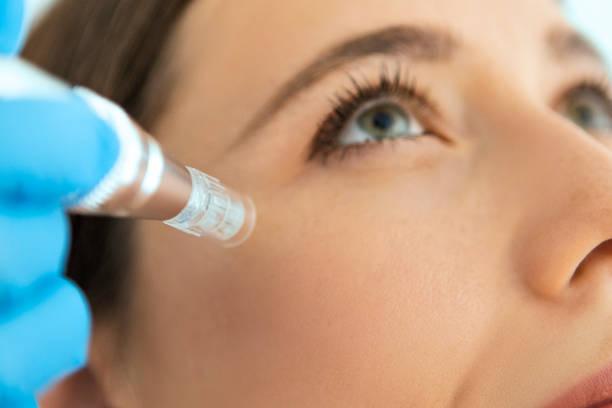
Most people don't research microneedling until after something goes wrong. Maybe a DIY roller left their skin irritated for two weeks. Maybe they paid for three sessions and saw almost nothing. Either way, it's a frustrating spot to be in, especially when the problems were totally avoidable. If you're thinking about booking a treatment, you owe it to yourself to know what can go wrong before you hand over your money or your face. A lot of the mistakes are surprisingly simple, and once you know them, they're easy to sidestep. Getting SkinPen Microneedling in Jacksonville FL from a trained provider is a completely different experience than rolling a cheap device across your cheeks at home, and the difference matters more than most people realize.
The At-Home Roller Problem
Derma rollers you buy online aren't the same as clinical devices. Not even close. Professional microneedling uses motorized pens with adjustable needle depth, disposable cartridges, and controlled penetration angles. A drugstore roller has fixed needle length, no depth control, and the needles drag across your skin rather than puncturing cleanly. That dragging motion creates micro-tears rather than precise channels, which slows healing and can leave you with more irritation than benefit.
Depth matters a lot. Different areas of the face have different skin thickness, so a needle that's appropriate for your cheek might be too aggressive for your under-eye area. Clinical devices let a trained provider adjust depth in real time. An at-home roller can't do that. And if you're pushing a contaminated or dull roller across broken skin, you're also opening yourself up to infection, which nobody budgets for.
Skipping Numbing and Proper Prep
Some providers skip numbing to save time. Some clients skip it because they think they can handle the discomfort. Both are bad calls. Without a proper topical anesthetic applied long enough before the procedure, the treatment can feel sharp and uneven, and clients tend to flinch. Flinching means inconsistent coverage. Inconsistent coverage means patchy results.
Prep also includes things like cleaning the skin thoroughly and avoiding certain products in the days before your appointment. Retinoids, exfoliating acids, and some acne medications make your skin more fragile and reactive. If you show up with those products still active in your skin, you're asking for unnecessary redness, sensitivity, or worse. A good provider will walk you through what to stop using and when. If nobody asks you about your skincare routine before scheduling you, that's a flag worth noticing.
Not Disclosing Medications and Skin Conditions
This one gets people in trouble more than they'd expect. Certain medications change how your skin heals. Blood thinners, some antibiotics, accutane, and even certain supplements can all affect your treatment outcome or your healing timeline. Active acne, rosacea, eczema, and cold sore history are also things your provider needs to know before putting needles in your face.
It's not about being judged for your skincare history. It's about not making your existing conditions worse. Microneedling over active breakouts can spread bacteria. Treating inflamed rosacea skin can trigger a serious flare. A provider who knows how the FDA classifies microneedling devices and takes your medical history seriously is one worth trusting with your skin. If the intake form at your appointment is three lines long and nobody asks follow-up questions, you might want to reconsider the place.
Poor Aftercare Kills Results
You can have a perfect treatment and still wreck it afterward. Aftercare is where a lot of people lose the results they paid for. The skin after microneedling is in repair mode. It's making collagen, healing micro-channels, and it's more vulnerable than usual. That's not the time to throw a full face of makeup on, hit a sweaty gym class, or spend the afternoon in direct sun.
Sun exposure right after treatment is one of the biggest mistakes. Your skin is more prone to hyperpigmentation during healing, and UV damage at that stage can actually reverse some of the collagen work you just stimulated. Stay out of direct sun for at least a few days, and use a gentle SPF every morning after that. Harsh actives like glycolic acid and retinol should stay out of your routine for at least a week. Stick to gentle, fragrance-free products and let the skin do its thing.
For clients getting Microneedling in Jacksonville FL during the hotter months, this is especially important since the sun exposure here is no joke year-round. A good provider will give you a specific aftercare sheet. Follow it. Don't improvise.
Choosing a Provider Based on Price Alone
Discounted microneedling deals pop up all the time on group-buying apps and social media. They can be tempting. But price alone is a genuinely bad way to pick someone who's going to put needles in your face. What you should actually be looking at is training, the device they use, and how they handle sterilization.
Single-use, sterile cartridges are non-negotiable. Ask directly whether they use a new cartridge for every client. If they hesitate or get vague, walk away. The device brand matters too. Angel Brows And Aesthetics uses the SkinPen, which is the first FDA-cleared microneedling device in the U.S., so you know the equipment meets a clinical standard rather than just being whatever was cheapest to stock. Training and credentials vary a lot between providers, so it's worth spending five minutes checking whether the person doing your treatment has actual esthetics or nursing credentials behind them.
Microneedling in Jacksonville FL is available at plenty of places, and quality varies just as much as pricing does. The cheapest option rarely delivers the same outcome as a properly trained provider using professional-grade equipment.
Expecting Magic After One Session
One session won't fix years of sun damage, deep scarring, or significant texture issues. It just won't. That's not how the biology works. Microneedling works by triggering your skin's own repair process, which means collagen production. And collagen takes time to build. Most people need three to six sessions spaced four to six weeks apart before they see the full picture.
Quitting after one treatment because you don't see instant results is like going to the gym once and being annoyed you're not stronger. The results build. After the first session, some people see a glow and a bit of texture improvement within two weeks. Real structural changes, like reduced scarring or tighter skin, usually show up after session three or four. Stick with the plan your provider recommends. If they gave you a realistic treatment plan and you're following it, trust the process a little before writing it off.
SkinPen Microneedling in Jacksonville FL works best when it's part of a consistent plan, not a one-and-done experiment. Go in with realistic expectations, choose your provider carefully, and do the aftercare properly. That's the actual formula.
Frequently Asked Questions
How many microneedling sessions do most people need?
Most providers recommend three to six sessions for general skin texture and tone, spaced about four to six weeks apart. For deeper concerns like acne scarring, you might need more. One session can give you a glow, but don't expect dramatic changes from a single visit.
Is at-home microneedling ever okay?
Short answer: not really, especially if you're targeting real skin concerns. At-home rollers use much shorter needle depths and don't penetrate cleanly, so the results are minimal. The contamination and infection risk is also higher than most people think. Save the at-home tools for very light maintenance at most, and get actual treatment done professionally.
What should I avoid before a microneedling appointment?
Stop using retinoids, exfoliating acids, and vitamin C serums about three to five days before your session. Avoid prolonged sun exposure and tanning beds in the week before. If you're on any medications that affect healing or skin sensitivity, let your provider know well in advance so they can advise you properly.
How long does recovery take after microneedling?
Most people look pink or slightly red for one to three days. Mild swelling or a tight feeling is normal. By day four or five, most people are back to looking totally normal. Full healing of the micro-channels happens within about a week, and skin continues improving for weeks after that as collagen builds up.
Does microneedling hurt?
With proper numbing cream applied beforehand, it's usually very manageable. Most people describe it as a buzzing or mild scratching feeling rather than sharp pain. Without numbing, it's noticeably more uncomfortable, especially on bony areas like the forehead and chin. Don't skip the numbing step just to save a few minutes.
 English
Join our community to interact with posts!