
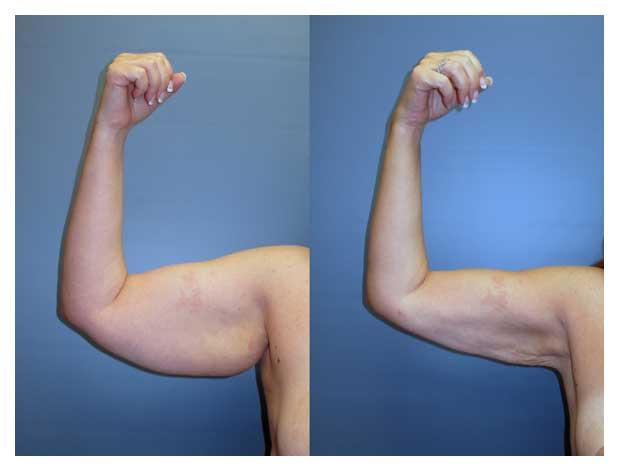
Loose skin on the upper arms can become noticeable after major weight loss, aging, or changes in skin elasticity. Although exercise can strengthen the muscles, it cannot reliably remove substantial excess skin. For suitable individuals, Arm Lift Surgery in Dubai can reshape the underside of the upper arms by removing unwanted skin and improving the overall contour.
Understanding what happens before, during, and after the procedure can make the treatment journey easier to understand. The surgical approach is individualized according to the amount and location of excess skin, body proportions, skin quality, and the desired degree of correction.
What Is an Arm Lift Procedure?
An arm lift, medically known as brachioplasty, is a surgical body contouring procedure designed to improve loose or sagging upper-arm skin. It can reduce excess skin, tighten supportive tissues, and, in selected cases, address localized fat.
The procedure is different from weight-loss treatment. Its primary purpose is to improve the shape of the upper arms after excess skin has become a persistent concern.
Why Is Arm Lift Surgery Performed?
Upper-arm skin may become loose following substantial weight loss because stretched skin does not always return to its previous shape. Aging, genetics, and fluctuations in body weight can also contribute to skin laxity.
When excess skin is significant, exercise alone may not provide the desired improvement. An arm lift directly addresses the skin and tissue responsible for the hanging appearance.
The Consultation and Treatment Planning Stage
The procedure begins with an assessment of the upper arms and a discussion about your desired outcome. The amount of loose skin, its distribution, skin elasticity, general health, weight stability, and expectations can all influence the treatment plan.
The consultation is also an opportunity to discuss medications, previous procedures, lifestyle factors, potential risks, recovery requirements, and the expected appearance of the arms after healing.
A personalized plan is important because the same surgical approach is not appropriate for every person.
Choosing the Appropriate Incision
One of the most important aspects of Arm Lift Surgery in Dubai is determining the incision pattern. The length and position depend primarily on how much excess skin needs to be removed and where that skin is located.
Incisions are commonly positioned along the inner or back portion of the upper arm. Depending on the extent of skin laxity, an incision may extend from the underarm toward the elbow. More extensive cases can require a longer incision.
The incision plan is therefore tailored to the individual's anatomy rather than selected using a single standard pattern.
Anesthesia and Surgical Preparation
Before the procedure begins, appropriate medication is administered to keep the patient comfortable. Depending on the circumstances and surgical plan, anesthesia may involve intravenous sedation or general anesthesia. The appropriate option is determined during the medical assessment.
Preoperative preparation may also include medical evaluation or laboratory testing. Certain medications and supplements may need to be adjusted, while smoking cessation may be recommended because it can affect healing.
Following all preparation instructions carefully is an important part of getting ready for surgery.
Removing Excess Skin
Once the planned incision is made, the excess skin is carefully removed. The amount removed depends on the degree of laxity and the desired contour.
The purpose is to reduce hanging tissue without creating an unnecessarily tight or disproportionate appearance. The remaining skin is then positioned over the refined arm contour.
In some individuals, localized fatty deposits may also contribute to upper-arm fullness. Liposuction can sometimes be incorporated when appropriate, but it addresses fat rather than significant loose skin.
Reshaping the Underlying Tissue
An arm lift can involve more than skin removal. Supportive tissues beneath the skin may be tightened and reshaped using internal sutures to help define the new arm contour.
This step can help create a smoother transition along the underside of the arm. The overall objective is to improve the relationship between the upper arm and surrounding body contours.
The extent of tissue reshaping varies according to individual needs.
Closing the Incisions
After the excess tissue has been removed and the desired contour has been created, the incisions are closed with sutures. Depending on the surgical approach, absorbable sutures or stitches that require later removal may be used.
Dressings or other postoperative support may then be applied. The specific wound-care instructions depend on the procedure and individual circumstances.
What Happens Immediately After Surgery?
The arms may appear tighter and more contoured immediately after the procedure, but early swelling and bruising can temporarily affect the appearance.
Some tightness, soreness, or restricted arm movement may occur during the initial healing period. Postoperative instructions generally cover wound care, medications, activity limitations, and follow-up appointments.
Because healing continues after the initial recovery period, the early appearance should not be considered the final result.
Understanding the Recovery Process
Recovery varies depending on the extent of surgery and individual healing. Swelling and bruising generally improve gradually, while the tissues continue to settle.
Strenuous activity and movements that place excessive tension on the incisions may need to be restricted during early healing. Your postoperative instructions should be followed carefully to protect the developing contour.
Allowing adequate recovery time is particularly important because excessive force or movement can interfere with healing.
What Happens to the Scar?
Scarring is an unavoidable part of an arm lift because excess skin must be removed through an incision. The scar's location and length depend on the technique used and the amount of skin requiring correction.
Although scars may become less noticeable as they mature, they remain a permanent part of the procedure. This is an important consideration when weighing the potential improvement in arm contour against the surgical trade-off.
Who May Benefit From the Procedure?
Arm lift candidates commonly include adults with significant upper-arm skin laxity, relatively stable weight, suitable general health, and realistic expectations. Nonsmokers are generally considered better candidates because smoking can interfere with healing.
People who are still experiencing major weight changes may need to consider the timing of treatment carefully. Future weight fluctuations can affect the amount of skin and influence the long-term contour.
Arm Lift Versus Liposuction
Arm lift surgery and liposuction are not interchangeable procedures. Liposuction primarily removes localized fat, while brachioplasty focuses on excess loose skin and can also tighten supportive tissue.
If skin elasticity is good and localized fat is the main concern, liposuction may sometimes be considered. When moderate or significant skin laxity is present, skin removal may be necessary to achieve meaningful contour improvement.
The appropriate approach depends on the actual cause of the upper-arm fullness.
How the Results Develop
A smoother and tighter arm contour can be noticeable soon after surgery, but swelling and bruising can initially obscure the outcome. As these temporary effects decrease, the shape becomes clearer.
Long-term results can be maintained more effectively when body weight remains stable. Natural aging will continue, so some gradual changes in skin firmness are expected over time.
The final appearance depends on factors including skin quality, the extent of correction, healing, and postoperative care.
Preparing for a Successful Recovery
Planning ahead can make the recovery period easier. You may need assistance immediately after surgery and should arrange transportation and appropriate support according to your treatment instructions.
Comfortable clothing that does not require excessive arm movement can also be useful during the early healing stage.
Following preparation and aftercare instructions closely can help support the healing process and protect the developing arm contour.
Final Thoughts
Arm Lift Surgery in Dubai involves several carefully planned stages, from assessing excess skin and selecting an incision pattern to removing unwanted tissue, refining the contour, closing the incisions, and managing recovery. Understanding each stage can help you approach the procedure with realistic expectations and make a more informed decision about upper-arm reshaping. TAJMEELS CLINIC can be considered when researching further information about arm lift treatment and body contouring options.
More Information
Tajmeels Clinic Dubai
WhatsApp: +971 56 203 8751
Phone: +971 4 373 9000
Social Media:
 English
Join our community to interact with posts!