
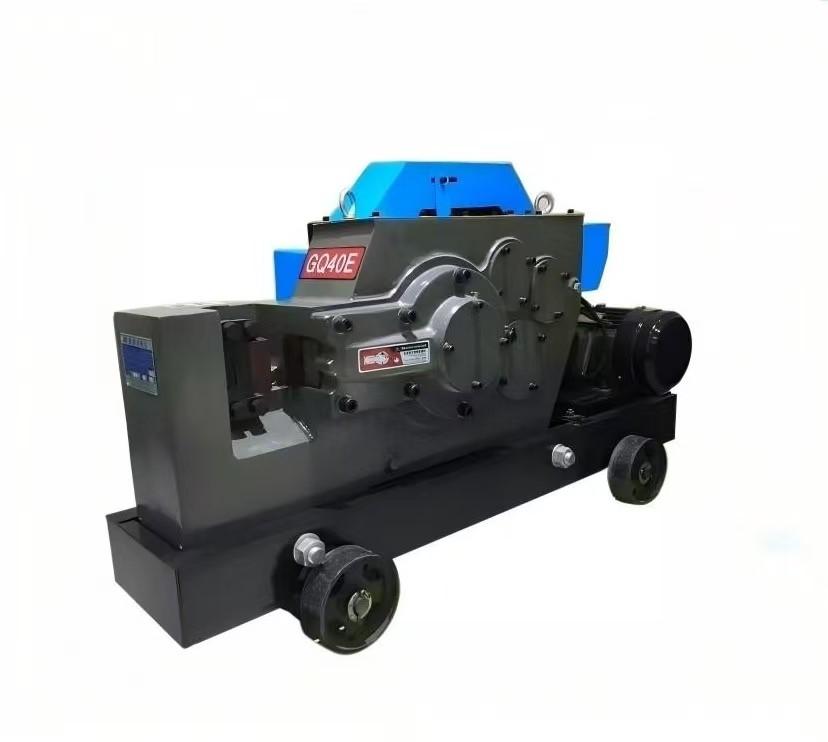
Steel cutting is a fundamental process in construction and metal fabrication. Reinforcement bars and other steel materials often need to be prepared in precise lengths before they can be used in structural applications. As construction projects become larger and production schedules become tighter, businesses need dependable methods for processing steel efficiently. A modern steel cutting machine can help fabrication teams streamline cutting operations while maintaining consistent production standards.
Traditional steel cutting methods can require significant manual effort, especially when large quantities of reinforcement bars need to be processed. Workers may have to measure, position, and cut individual pieces repeatedly, which can consume valuable production time. Manual operations can also create variations in cutting accuracy when workloads increase. Machine-assisted cutting provides a more structured approach and can help businesses handle repetitive tasks more efficiently.
One of the primary advantages of modern cutting equipment is improved productivity. Construction projects frequently require substantial quantities of steel prepared to specific lengths. Processing each piece manually can slow down fabrication and make it harder to meet tight deadlines. Automated or machine-based cutting can streamline repetitive operations, allowing production teams to process material more efficiently and maintain a steady workflow.
Accuracy is equally important in steel preparation. Reinforcement bars must often be cut according to predetermined dimensions so they can be used correctly during bending, assembly, and installation. Incorrect cutting lengths can result in material waste, additional processing, or delays. Controlled machinery helps operators follow established cutting requirements, supporting greater consistency across production batches.
Efficient material utilization can also contribute to better cost management. Steel represents a significant investment for many construction and fabrication businesses. Avoidable cutting errors can lead to unusable pieces and increased material consumption. A more controlled cutting process can reduce inconsistencies and help manufacturers work according to planned dimensions. Over time, improved material management can support more predictable operating costs.
Another important benefit is reduced repetitive labor. Manual steel cutting can be physically demanding, particularly during long production shifts. Suitable machinery allows operators to focus on machine supervision, material positioning, quality checks, and production coordination instead of performing every cutting operation manually. This can help businesses use their workforce more efficiently while creating a more organized fabrication environment.
Modern steel cutting equipment can also support better workflow coordination. Once bars are cut accurately, they can move directly into subsequent processing stages such as straightening, bending, assembly, or installation. Reducing unnecessary handling between stages can help production teams maintain better control over material flow. For high-volume fabrication businesses, a smoother sequence can contribute significantly to overall efficiency.
Flexibility is another consideration when processing steel for different construction applications. Projects may require reinforcement bars in various lengths and quantities, meaning fabrication teams need equipment capable of adapting to different production requirements. Choosing machinery that can support a range of operational needs can help businesses manage changing orders while maintaining consistent quality.
Before investing in cutting equipment, businesses should evaluate cutting capacity, compatible material sizes, production volume, operating requirements, maintenance needs, machine configuration, and available workspace. Selecting equipment according to actual production demands can help maximize efficiency and provide better long-term value.
As construction and steel fabrication continue to adopt more efficient production methods, reliable cutting technology is becoming increasingly important. Modern machinery can help businesses improve accuracy, increase productivity, reduce repetitive manual work, and manage steel materials more effectively. For companies seeking to modernize their reinforcement preparation process, a steel cutting machine can provide a practical foundation for efficient steel processing. By combining dependable equipment with skilled operation and effective production planning, fabrication teams can maintain consistent output and meet the evolving requirements of today's construction industry.
 English
Join our community to interact with posts!