
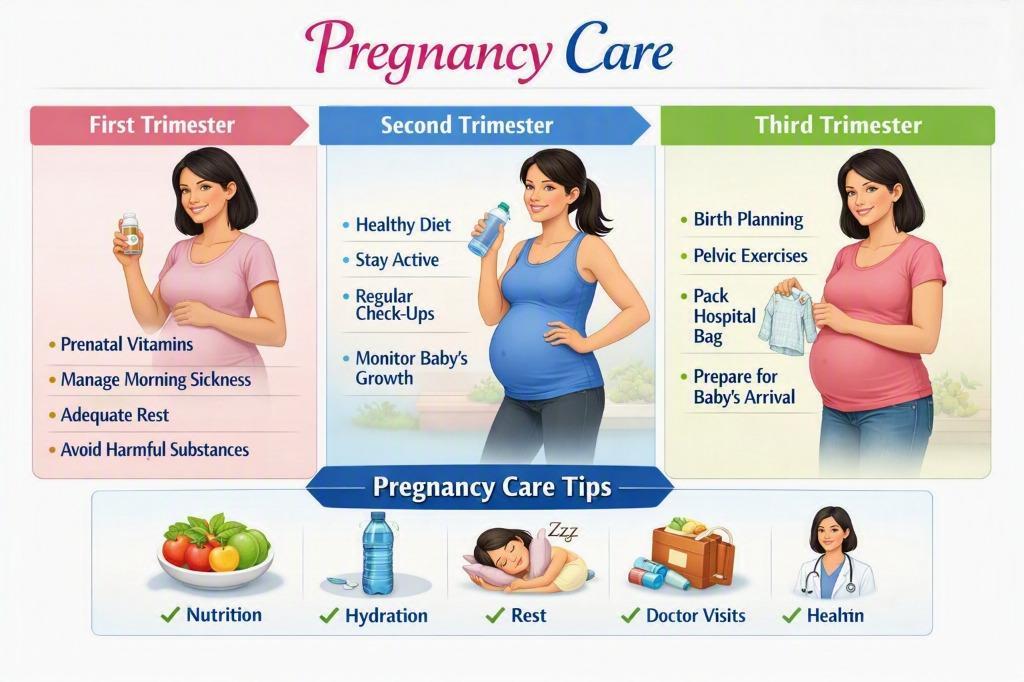
Pregnancy is an important stage of life that brings significant physical, emotional, and lifestyle changes. Taking appropriate care during pregnancy can help support the health of both the mother and developing baby. From regular prenatal appointments and nutritious meals to safe physical activity and adequate rest, small daily choices can make a meaningful difference.
This complete guide to pregnancy care covers essential practices that expecting mothers should understand throughout the three trimesters, including nutrition, exercise, prenatal checkups, common symptoms, warning signs, and preparation for delivery.
What Is Pregnancy Care?
Pregnancy care refers to the medical, nutritional, physical, and emotional support a woman receives throughout pregnancy. It includes regular prenatal visits, monitoring the baby’s development, maintaining a balanced diet, taking recommended supplements, staying physically active when appropriate, and recognizing symptoms that may require medical attention.
Every pregnancy is different. Factors such as age, medical history, previous pregnancies, medications, and complications can affect the type of care an individual needs. Therefore, recommendations from a qualified healthcare professional should always take priority over general pregnancy advice.
Why Is Proper Pregnancy Care Important?
Good pregnancy care helps healthcare professionals monitor the health and development of both mother and baby. Regular prenatal care can identify potential problems early and provide opportunities to manage them appropriately.
Important benefits include:
- Monitoring the baby’s growth and development
- Checking the mother’s blood pressure, weight, and overall health
- Screening for certain pregnancy-related conditions
- Identifying potential complications early
- Supporting healthy nutrition and lifestyle choices
- Providing guidance about medications and supplements
- Preparing the mother for labor, delivery, and postpartum recovery
Early and consistent prenatal care is particularly important because some pregnancy-related conditions may not produce noticeable symptoms at first.
Pregnancy Care During the First Trimester
The first trimester generally covers weeks 1 through 13. During this period, major developments occur in the embryo, and the mother may experience symptoms such as nausea, fatigue, breast tenderness, and increased urination.
Schedule Your First Prenatal Appointment
After confirming pregnancy, arrange prenatal care with an appropriate healthcare professional. The first appointment may include a review of medical history, medications, previous pregnancies, lifestyle factors, and estimated due date.
Your healthcare provider may also recommend blood tests, urine testing, ultrasound examinations, or other screening based on your individual circumstances.
Focus on Folic Acid
Folic acid is especially important during early pregnancy because adequate intake helps reduce the risk of certain neural tube defects.
Many healthcare organizations recommend 400 micrograms of folic acid daily before pregnancy and during early pregnancy, although some people may need a different dose based on their medical history. Always discuss supplements and the appropriate dose with your healthcare professional.
Manage Morning Sickness
Nausea and vomiting are common during early pregnancy. Some women find that eating smaller meals more frequently, avoiding foods or smells that trigger nausea, drinking fluids regularly, and choosing simple foods can help.
Severe or persistent vomiting can cause dehydration and inadequate nutrition. If you cannot keep fluids down, are losing weight, or have signs of dehydration, contact your healthcare provider.
Pregnancy Care During the Second Trimester
The second trimester generally covers weeks 14 through 27. Some early pregnancy symptoms may improve during this stage, although new physical changes can occur as the baby grows.
Maintain a Balanced Diet
A nutritious pregnancy diet should include a variety of foods, such as:
- Fruits and vegetables
- Whole grains
- Protein-rich foods
- Dairy products or suitable alternatives
- Healthy sources of fats
- Adequate fluids
Nutritional requirements increase during pregnancy, but “eating for two” does not mean doubling your food intake. Your calorie and nutrient requirements should be discussed with your healthcare provider.
Keep Up With Prenatal Visits
Continue attending scheduled prenatal appointments. Depending on your pregnancy and healthcare system, appointments may involve monitoring blood pressure, measuring growth, discussing symptoms, reviewing test results, and checking the baby’s development.
Your healthcare provider may recommend specific screening tests during the second trimester.
Stay Physically Active
For many healthy pregnancies, moderate physical activity can be beneficial. Walking, swimming, stationary cycling, and pregnancy-appropriate strength or mobility exercises may be suitable.
However, exercise recommendations vary. Women with certain pregnancy complications or medical conditions may need activity restrictions. Speak with your healthcare provider before starting a new exercise program.
Pregnancy Care During the Third Trimester
The third trimester generally begins around week 28 and continues until delivery. During this period, the baby continues to grow, while the mother may experience increased fatigue, back discomfort, swelling, heartburn, or difficulty sleeping.
Prepare for Delivery
Use the third trimester to discuss your delivery preferences and practical arrangements with your healthcare provider. Consider learning about:
- Signs of labor
- When to contact your healthcare provider
- Hospital or birth-center procedures
- Pain-management options
- Breastfeeding
- Newborn care
- Postpartum recovery
A childbirth education class may also help expecting parents understand what to expect during labor and delivery.
Pay Attention to Baby’s Movements
As pregnancy progresses, becoming familiar with your baby’s usual movement pattern can be useful. If you notice a significant change or reduction in movement, contact your maternity care provider promptly rather than waiting until your next appointment.
Get Enough Rest
Growing pregnancy demands can make adequate rest increasingly important. Establishing a comfortable bedtime routine, using supportive pillows, maintaining a suitable sleep environment, and following your healthcare provider’s advice can help.
Pregnancy Nutrition: Foods to Include
Nutrition plays an important role in pregnancy care. Instead of focusing on a single “superfood,” aim for a varied diet that provides essential nutrients.
Protein
Protein supports maternal tissue changes and fetal growth. Good sources include:
- Eggs
- Fish that is considered safe during pregnancy
- Fully cooked poultry and lean meats
- Beans and lentils
- Nuts and seeds
- Dairy products
- Tofu and other plant-based protein sources
Fruits and Vegetables
A variety of fruits and vegetables provides vitamins, minerals, fiber, and other beneficial nutrients. Wash fresh produce thoroughly before eating.
Whole Grains
Whole-grain foods such as oats, whole-wheat bread, brown rice, and whole-grain cereals can contribute carbohydrates, fiber, and important nutrients.
Calcium-Rich Foods
Calcium supports the development of the baby’s bones and teeth and contributes to maternal bone health. Sources include milk, yogurt, cheese, calcium-fortified alternatives, and certain leafy green vegetables.
Foods and Substances to Avoid or Limit
Some foods and substances can pose risks during pregnancy.
Pregnant women should discuss their diet with a healthcare professional, particularly regarding:
- Alcohol
- Raw or undercooked meat, poultry, seafood, and eggs
- Unpasteurized milk and foods made from it
- Certain high-mercury fish
- Poorly washed fruits and vegetables
- Excessive caffeine
- Herbal products or supplements without professional guidance
Food-safety practices are particularly important because some infections can have serious consequences during pregnancy.
Pregnancy Exercise and Physical Activity
Physical activity can support cardiovascular fitness, muscle strength, mood, and overall well-being during pregnancy.
For many women without pregnancy complications, regular moderate activity is appropriate. However, pregnancy is not the time to push through pain or ignore unusual symptoms.
Stop exercising and seek medical advice if you experience concerning symptoms such as vaginal bleeding, fluid leakage, chest pain, severe dizziness, painful contractions, or significant shortness of breath.
Medications and Supplements During Pregnancy
Never assume that a medication, vitamin, herbal product, or supplement is safe simply because it is available without a prescription.
Before starting or stopping a medication during pregnancy, discuss it with your doctor, midwife, or pharmacist. This includes:
- Prescription medications
- Over-the-counter pain medicines
- Cold and allergy products
- Vitamins
- Herbal remedies
- Weight-loss products
- Dietary supplements
Your healthcare provider can help determine which medications and supplements are appropriate for your individual situation.
Mental and Emotional Well-Being During Pregnancy
Pregnancy can bring excitement, uncertainty, stress, and mood changes. Emotional health deserves the same attention as physical health.
Helpful strategies may include:
- Maintaining supportive relationships
- Getting adequate sleep
- Staying physically active when appropriate
- Eating regular nutritious meals
- Taking time for relaxation
- Discussing worries with a healthcare professional
- Seeking professional mental-health support when needed
Persistent sadness, severe anxiety, inability to function normally, or thoughts of self-harm require prompt professional attention.
Common Pregnancy Symptoms
Many pregnancy symptoms are normal, but it is important to understand the difference between common discomforts and potential warning signs.
Common symptoms can include:
- Nausea
- Fatigue
- Heartburn
- Constipation
- Mild back discomfort
- Frequent urination
- Breast tenderness
- Mild swelling
Symptoms that are severe, sudden, worsening, or unusual should be discussed with a healthcare professional.
Pregnancy Warning Signs That Need Medical Attention
Contact your healthcare provider or seek urgent medical care if you experience symptoms such as:
- Heavy vaginal bleeding
- Severe abdominal or pelvic pain
- Severe or persistent headache
- Vision changes
- Sudden or significant swelling
- Difficulty breathing or chest pain
- Seizures
- Fever or signs of serious infection
- Persistent vomiting with inability to keep fluids down
- Fluid leaking from the vagina
- Significant reduction or change in fetal movement later in pregnancy
- Signs of preterm labor
These symptoms can have different causes, and some may indicate a pregnancy complication requiring immediate assessment.
Healthy Lifestyle Habits During Pregnancy
A healthy lifestyle can complement regular medical care.
Stay Hydrated
Drink fluids regularly throughout the day. Pregnancy can increase fluid requirements, and adequate hydration is particularly important during hot weather and physical activity.
Avoid Smoking and Secondhand Smoke
Smoking during pregnancy is associated with serious risks to pregnancy and fetal health. Avoid tobacco products and exposure to secondhand smoke whenever possible.
Avoid Alcohol
There is no known safe amount of alcohol during pregnancy. Avoiding alcohol is the safest approach.
Practice Good Hygiene
Wash your hands regularly, handle food safely, and take precautions around potentially infectious substances.
Attend Every Recommended Appointment
Even when you feel healthy, prenatal appointments remain important because some conditions can develop without obvious symptoms.
Pregnancy Care Checklist
A simple checklist can help expecting mothers stay organized:
- Confirm pregnancy with a healthcare professional
- Begin appropriate prenatal care
- Take recommended prenatal supplements
- Attend scheduled prenatal appointments
- Eat a varied and nutritious diet
- Stay appropriately active
- Avoid alcohol, tobacco, and recreational drugs
- Follow food-safety recommendations
- Review medications with a healthcare professional
- Monitor important symptoms
- Learn about warning signs
- Prepare for labor and delivery
- Plan for postpartum care
- Ask questions whenever something is unclear
Frequently Asked Questions About Pregnancy Care
When should pregnancy care begin?
Pregnancy care should begin as soon as pregnancy is confirmed or suspected. Early prenatal care allows healthcare professionals to review medical history, recommend appropriate tests and supplements, and identify potential concerns.
What should I eat during pregnancy?
Aim for a varied diet containing vegetables, fruits, whole grains, protein-rich foods, and calcium-rich foods. Your healthcare provider can provide individualized nutritional recommendations.
Is exercise safe during pregnancy?
Many women can safely remain physically active during pregnancy, but the appropriate type and intensity depend on individual health and pregnancy circumstances. Always discuss exercise with your healthcare provider if you are unsure.
How often should I see my healthcare provider?
The schedule varies according to your healthcare system, stage of pregnancy, and individual risk factors. Follow the appointment schedule recommended by your maternity care provider.
What is the most important part of pregnancy care?
There is no single action that guarantees a healthy pregnancy. Consistent prenatal care, appropriate nutrition, safe physical activity, avoiding harmful substances, and promptly reporting concerning symptoms all contribute to better pregnancy care.
Final Thoughts
Good pregnancy care is a continuous process rather than a single set of rules. Regular prenatal appointments, nutritious food, appropriate physical activity, adequate rest, emotional support, and awareness of warning signs can help mothers make informed decisions throughout pregnancy.
Most importantly, every pregnancy is unique. General online information should not replace personalized medical advice. If you are pregnant or planning to become pregnant, work closely with a qualified healthcare professional who can develop a care plan based on your individual needs and circumstances.
 English
Join our community to interact with posts!