
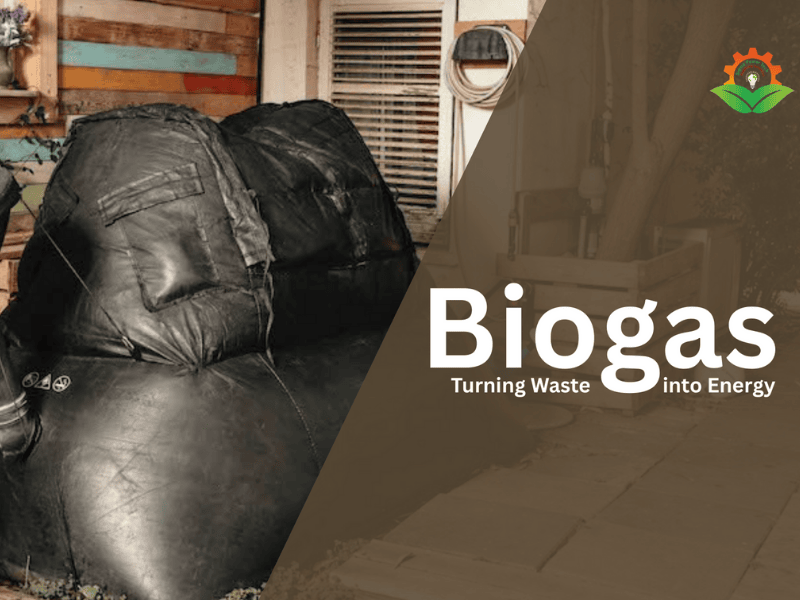
A dairy farmer with dozens of cattle or a rural family generating kitchen waste every day often faces the same question: Which biogas plant is the right choice? Selecting a system based only on price or tank size can lead to poor gas production, frequent maintenance, and wasted investment. The right solution begins with understanding your waste availability, energy requirements, and site conditions before choosing the equipment.
A biogas plant converts biodegradable waste into methane-rich fuel through anaerobic digestion while producing nutrient-rich bio-slurry for agricultural use. Whether you need a biogas plant for home, a farm installation, or a community-scale project, choosing the correct system ensures consistent gas production, efficient waste management, and long-term operational reliability. A properly engineered plant delivers far greater value than simply selecting the lowest-cost option.
Understand Your Daily Waste and Energy Requirements
The first step in choosing a biogas plant is evaluating the amount of biodegradable waste available every day.
Typical feedstock includes:
- Kitchen waste
- Animal manure
- Crop residue
- Poultry litter
- Food processing waste
- Agricultural biomass
The quantity and consistency of feedstock directly determine how much methane can be produced. A plant should always be designed around actual daily waste generation rather than estimated future availability.
Similarly, calculate your expected gas demand for cooking, water heating, or electricity generation before selecting plant capacity.
How Anaerobic Digestion Influences Plant Selection
Anaerobic digestion is a biological process in which microorganisms decompose organic waste inside an oxygen-free digester.
During hydrolysis, acidogenesis, acetogenesis, and methanogenesis, organic matter is gradually converted into methane-rich biogas and stabilized bio-slurry.
Efficient digestion depends on:
- Consistent feedstock input
- Correct retention time
- Stable operating temperature
- Proper digester sizing
A system that matches these operating conditions will provide reliable gas production throughout the year.
Choose the Right Digester Design
Effective biogas plant design goes beyond selecting a tank.
Engineers consider several factors, including:
- Daily waste volume
- Hydraulic retention time
- Local climate
- Soil conditions
- Future expansion plans
- Expected gas consumption
Common digester options include fixed dome, floating drum, prefabricated FRP, and HDPE systems. Each offers advantages depending on the project size, installation environment, and maintenance preferences.
A domestic biogas digester for homes and farms generally prioritizes compact design, simple operation, and low maintenance while maintaining consistent gas production.
Select the Correct Plant Capacity
One of the most common purchasing mistakes is choosing an oversized or undersized digester.
An undersized system receives more waste than it can process, reducing methane production and creating operational instability.
An oversized digester receives insufficient feedstock, resulting in inefficient microbial activity and unnecessary construction costs.
Professional sizing considers:
- Daily organic waste generation
- Household or farm gas demand
- Seasonal temperature variations
- Future capacity requirements
Correct sizing maximizes both efficiency and return on investment.
Evaluate Gas Storage and Distribution
Reliable gas delivery requires more than simply generating methane.
A well-designed system includes:
- Gas storage chamber
- Pressure regulation
- Moisture traps
- Leak-tested pipelines
- Safety valves
- Condensate drainage
These components maintain stable gas pressure while improving appliance performance and operational safety.
A biogas plant for home can typically supply:
- Kitchen stoves
- Water heaters
- Commercial cooking equipment
- Small generators where gas production allows
Proper piping design minimizes pressure losses and ensures dependable daily operation.
Don't Overlook the Value of Bio-Slurry
Renewable gas is only part of the return on investment.
Every biogas plant also produces stabilized bio-slurry rich in nitrogen, phosphorus, potassium, and beneficial organic matter.
Compared with untreated manure, bio-slurry offers:
- Improved soil fertility
- Better nutrient absorption
- Lower odor
- Enhanced crop productivity
- Reduced dependence on chemical fertilizers
For farms and rural households, fertilizer savings significantly improve long-term project economics.
Key Features to Look For
Modern biogas plant systems should include several essential engineering features:
- Continuous gas generation
- Compact installation footprint
- Effective odor control
- Durable corrosion-resistant tank materials
- Weather and temperature resilience
- Low maintenance requirements
- Easy daily operation
- Scalable system capacity
- Long operational service life
These features contribute to reliable performance under varying operating conditions.
Applications Across Different Sectors
Biogas technology supports a wide range of applications, including:
- Rural households
- Dairy and livestock farms
- Agricultural cooperatives
- Educational institutions
- Hostels
- Small hotels and farm stays
- Housing societies
- Gated communities
- Rural electrification and community waste management projects
Experienced Biogas plant manufacturers in India provide customized engineering solutions based on the specific feedstock and energy requirements of each application.
Cost and Investment Factors
The overall Biogas plant price depends on several engineering considerations rather than equipment cost alone.
Key investment factors include:
- Feedstock quantity and type
- Digester size
- Tank construction material
- Gas storage capacity
- Installation complexity
- Site preparation
- Integration with cooking appliances or generators
- After-sales maintenance and AMC costs
- Expected payback period
Evaluating lifecycle costs instead of only upfront pricing results in a more informed investment decision.
Buyer's Guide: Choosing the Right Manufacturer
The quality of engineering and after-sales support often determines the long-term success of a project.
When comparing suppliers, consider:
- Industry experience
- Digester engineering expertise
- Manufacturing quality standards
- Customization capability
- Installation experience
- Technical documentation
- Preventive maintenance services
- Subsidy assistance where applicable
- Proven project reliability
A Sigma Power Tech biogas plant is designed with an emphasis on engineering precision, durability, and dependable performance. As a Sigma Power Tech manufacturer and service provider, the company offers complete support, including system design, manufacturing, installation, commissioning, technical guidance, and long-term maintenance for residential, agricultural, institutional, and industrial biogas projects.
Common Mistakes to Avoid
Avoiding common planning errors improves plant efficiency and extends equipment life.
These include:
- Under sizing or oversizing the digester
- Inconsistent daily feedstock input
- Poor site selection and inadequate space planning
- Ignoring bio-slurry utilization
- Skipping preventive maintenance
- Improper gas piping installation
- Neglecting climate and seasonal temperature effects on digestion efficiency
Proper engineering and disciplined operation ensure consistent gas production over many years.
Conclusion
Choosing the right biogas plant requires careful evaluation of feedstock availability, daily energy demand, digester design, gas storage, installation quality, and long-term maintenance requirements. While the Biogas plant price is an important consideration, long-term performance depends far more on correct sizing, quality engineering, and professional installation.
Whether you are investing in a biogas plant for home, a dairy farm, or a community waste-to-energy project, selecting a well-engineered system from an experienced manufacturer will deliver dependable fuel savings, valuable organic fertilizer, efficient waste management, and sustainable renewable energy infrastructure for decades to come.
 English
Join our community to interact with posts!