
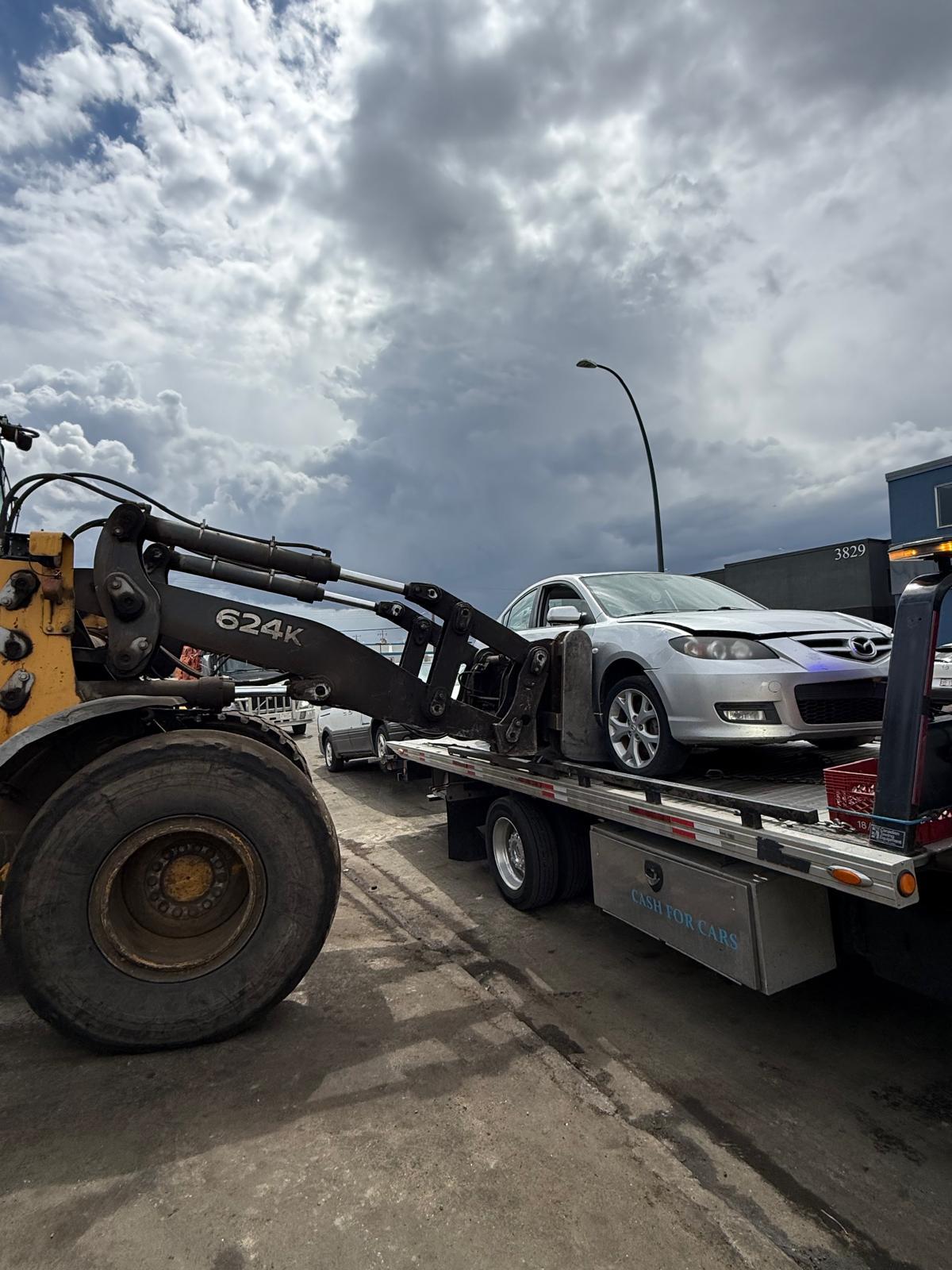
Selling a junk car should be simple: describe the vehicle, receive an offer, arrange pickup, and get paid. But if you accept the first number you hear, you may leave money on the table.
Junk car prices can vary significantly between buyers because different companies evaluate vehicles in different ways. One buyer may focus mainly on scrap metal, while another may consider reusable parts, vehicle demand, weight, location, and resale potential.
The good news is that you don't need to be an automotive expert to compare junk car offers. You simply need to know what questions to ask, what information affects the price, and which fees can reduce the final amount you receive.
Why Do Junk Car Offers Vary So Much?
It is normal for two junk car buyers to give you different quotes for the same vehicle.
A buyer may calculate an offer based on several factors, including:
· Make, model, and year
· Vehicle condition
· Mileage
· Weight and scrap-metal value
· Demand for used parts
· Engine and transmission condition
· Catalytic converter and other valuable components
· Completeness of the vehicle
· Local market conditions
· Transportation and towing costs
For example, a non-running truck with a complete engine and transmission may be worth more than an older compact car that has already lost several valuable components.
This means the highest initial quote isn't always the best offer. What matters is how much money you actually receive after all deductions.
Get Multiple Junk Car Quotes
The easiest way to avoid getting lowballed is to compare several offers.
Try contacting at least three reputable junk car buyers instead of accepting the first quote. Give each company the same basic information so you're comparing similar offers.
Tell them:
· Exact make and model
· Model year
· Approximate mileage
· Whether it runs
· Major damage
· Missing parts
· General condition
· Your location
· Whether you have the required ownership documents
Providing consistent information makes it easier to identify which buyer is genuinely offering more.
Don't Hide Problems to Get a Higher Quote
It may be tempting to describe your vehicle as being in better condition than it really is. However, that can backfire.
If you say the car runs when it doesn't, or fail to mention major missing components, the buyer may revise the offer when they inspect the vehicle.
A realistic quote based on accurate information is much more useful than an inflated estimate that disappears at pickup.
Ask Whether the Quote Is Final
One of the most important questions to ask is:
“Is this the amount I'll actually receive?”
Some buyers provide an estimated quote based on limited information. The final payment may change after the vehicle is inspected.
Ask whether the quoted amount is:
· A guaranteed price
· An estimated price
· Subject to inspection
· Dependent on vehicle weight
· Dependent on parts being present
A transparent buyer should explain how the offer was calculated and what circumstances could cause it to change.
Watch for Towing and Pickup Fees
A junk car may be difficult or impossible to drive, so towing is often part of the transaction.
Before accepting an offer, ask:
“Is free towing included?”
This question can make a major difference.
Suppose Buyer A offers $500 but charges $100 for towing. Buyer B offers $450 and includes free pickup.
Your actual amounts would be:
Buyer A: $500 − $100 towing = $400
Buyer B: $450 − $0 towing = $450
The second offer is better even though its advertised price is lower.
Also ask about other possible charges, such as administrative fees, pickup fees, paperwork charges, or deductions for certain missing parts.
Compare the Net Amount, Not Just the Headline Price
When comparing junk car offers, create a simple list.
| Buyer | Quoted Offer | Towing | Other Fees | Amount You Receive |
| Buyer A | $500 | $100 | $0 | $400 |
| Buyer B | $450 | $0 | $0 | $450 |
| Buyer C | $525 | $75 | $25 | $425 |
This makes the decision much easier.
The number that matters is the net amount you actually receive, not the biggest number mentioned during the initial phone call.
Know What Makes Your Junk Car More Valuable
Understanding your vehicle's potential value can help you recognize an unusually low offer.
Certain components can have significant value depending on the vehicle and current market demand.
These may include:
· Catalytic converter
· Engine
· Transmission
· Aluminum components
· Wheels
· Tires
· Electronic modules
· Body panels
· Interior components
A vehicle with a desirable engine or hard-to-find parts may be worth more to a salvage buyer than its basic scrap-metal value.
However, don't assume that every individual component adds a large amount to the offer. Buyers also consider removal costs, demand, condition, and resale potential.
Be Careful With Extremely High Offers
A surprisingly high quote can sound like the obvious winner, but pause before accepting it.
Ask why the offer is higher and whether it is guaranteed.
Some buyers may provide an attractive preliminary number and then reduce it after seeing the vehicle. Others may advertise a maximum price that applies only to certain vehicles or conditions.
Look for a buyer that clearly explains:
1. How the offer was determined
2. Whether the quote is guaranteed
3. Whether towing is free
4. Whether there are additional fees
5. When and how payment is made
6. What documents are required
Transparency is often more valuable than a slightly higher number that comes with uncertainty.
Check the Buyer's Reputation
Price isn't the only factor.
Before handing over your vehicle, look for evidence that the company is legitimate and has a history of dealing fairly with customers.
Check for:
· Customer reviews
· Clear contact information
· A professional website
· Transparent pricing information
· Proper business identification
· Clear pickup and payment policies
Pay attention to repeated complaints about unexpected deductions, changed offers, delayed payments, or poor communication.
A few negative reviews don't automatically mean a company is dishonest, but consistent complaints about the same issue deserve attention.
Have Your Vehicle Information Ready
You can often get a more accurate junk car quote when you have the necessary information available.
Prepare:
· Vehicle identification information
· Make and model
· Year
· Mileage
· Condition
· Photos of the vehicle
· Information about missing parts
· Ownership documents, where required
· Your pickup location
Photos can be especially useful when the vehicle has visible damage, severe rust, flat tires, or missing components.
The more accurately you describe the vehicle, the less likely you are to experience a major price change later.
Don't Spend Thousands to Increase a Junk Car's Value
One common mistake is repairing a junk car before selling it.
If the vehicle needs major mechanical work, replacing the engine, transmission, tires, brakes, or suspension may cost far more than the additional value those repairs create.
Before spending money, compare:
Expected selling price after repairs − repair costs
against
Current as-is offer
If the difference is small, selling the vehicle in its current condition may be the more practical choice.
A junk car doesn't need to become a fully functioning vehicle to have value.
A Simple Junk Car Offer Checklist
Before accepting an offer, ask these questions:
1. What is the exact offer?
2. Is the offer guaranteed?
3. Is towing completely free?
4. Are there any additional fees?
5. Can the price change at pickup?
6. Does the vehicle need to have specific parts?
7. What paperwork do I need?
8. How and when will I be paid?
9. Can you provide a pickup time?
10. What happens if the vehicle's condition differs from my description?
If a buyer avoids answering straightforward questions, consider comparing another company.
Comparing Junk Car Offers in Edmonton
If you're selling a junk car in Edmonton, don't compare offers based on the dollar amount alone. Local conditions can affect both the vehicle's value and the cost of getting it removed.
Edmonton winters are one factor to consider. Vehicles exposed to repeated freezing temperatures, road salt, moisture, and snow can develop additional rust and mechanical deterioration. A car that looks reasonably complete may still have significant corrosion underneath, which can affect its salvage value.
Pickup access matters too. A vehicle sitting in an Edmonton driveway is generally easier to collect than one buried in a tight back alley, underground parkade, garage, or snow-covered area. When requesting quotes, tell the buyer exactly where the vehicle is located and whether it rolls freely. This can help prevent disagreements about the offer when the tow truck arrives.
You should also ask whether towing is included in the quoted price. A higher offer isn't necessarily better if the buyer later deducts transportation or pickup costs.
Consider the Edmonton Service Area
If you're comparing junk car buyers around Edmonton, check whether they actually service your neighbourhood and surrounding communities. Pickup policies can differ for locations such as St. Albert, Sherwood Park, Leduc, Beaumont, Spruce Grove, and other areas outside Edmonton.
For an Edmonton seller, a useful comparison looks like this:
Offer price + included services − applicable fees = your actual value
Don't forget to consider whether the buyer handles vehicle pickup, paperwork, and payment at the time of collection.
Understand Alberta Vehicle Requirements
Paperwork can also affect how smoothly the transaction goes. If your vehicle has been written off or has a salvage status, Alberta has specific inspection and registration requirements for vehicles that are intended to return to the road. Vehicles designated non-repairable cannot be re-registered and can only be sold as scrap or dismantled for parts.
For a typical junk or scrap vehicle that is simply being recycled, ask the buyer what ownership documents they require before scheduling pickup. Having your vehicle information and ownership paperwork ready can make the process much easier.
Ask About Towing Costs Before the Truck Arrives
Alberta's towing rules also make cost transparency especially important. Since April 1, 2026, towing and storage businesses have additional consumer-protection requirements, including providing information about costs and obtaining consent before towing in situations covered by the regulation.
That doesn't mean every junk-car pickup works exactly like a roadside towing job, but it is still smart to confirm the complete arrangement in advance.
Before accepting an Edmonton junk car offer, ask:
- Is pickup included?
- Are there any towing or service deductions?
- Can the offer change after arrival?
- Does the vehicle need to roll?
- Can you pick it up from an alley, garage, or parkade?
- What ownership documents are required?
- How will payment be made?
Getting clear answers to these questions can help you compare Edmonton junk car offers based on what you will actually receive, rather than simply choosing the biggest number advertised.
Final Thoughts
Getting a fair price for a junk car isn't about finding the buyer who throws out the biggest number first. It's about comparing the complete deal.
Get multiple quotes, provide accurate vehicle information, ask about towing and hidden fees, understand what affects your car's value, and calculate the amount you'll actually receive.
Most importantly, don't let pressure rush your decision.
A legitimate junk car buyer should be willing to explain the offer and give you enough information to make an informed choice. When you compare quotes based on the final net payment rather than the advertised price, you're much less likely to get lowballed.
Your old car may be sitting unused, but that doesn't mean you have to accept an unfair offer for it.
 English
Join our community to interact with posts!