
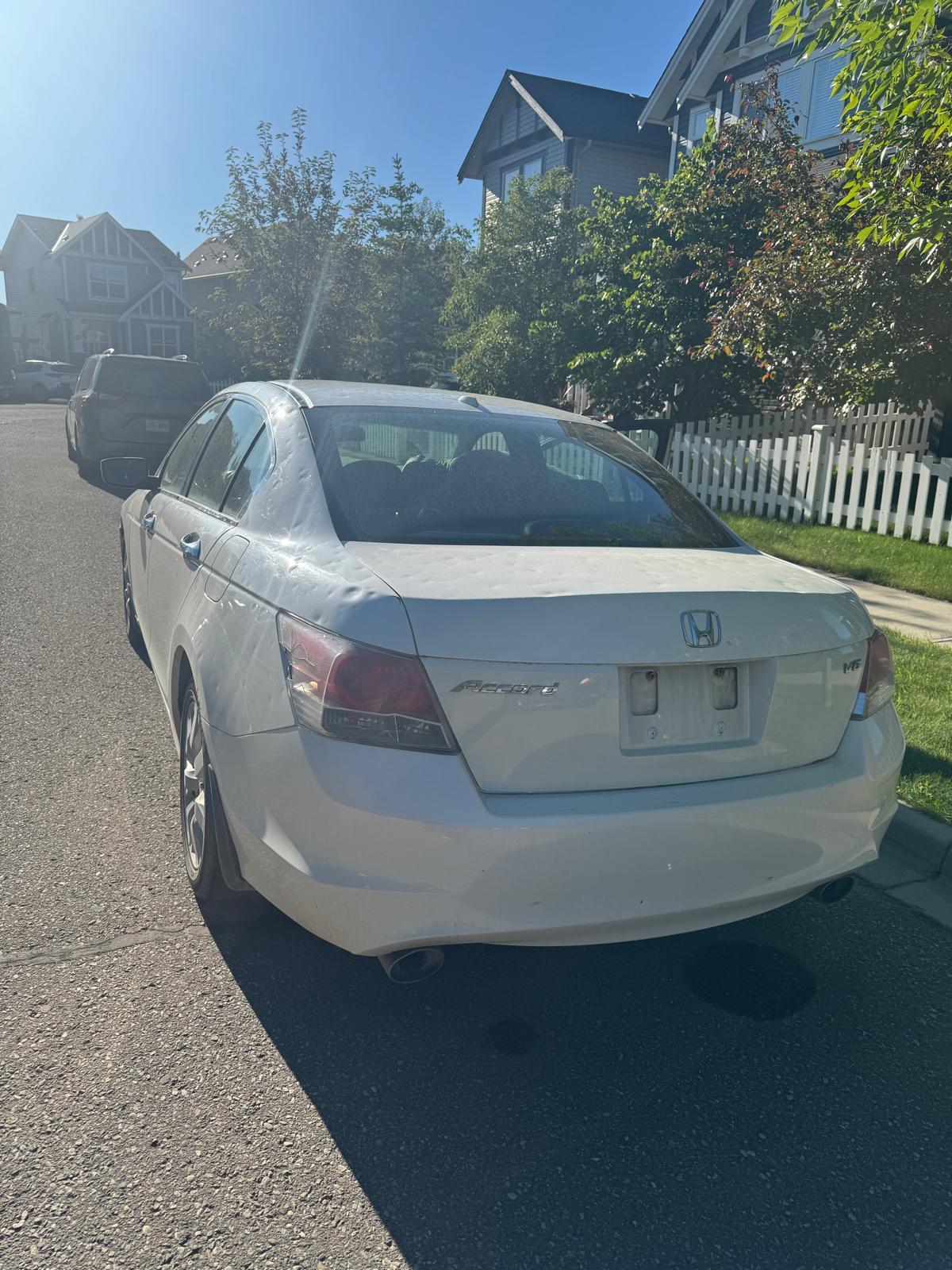
Selling an old, damaged, or unwanted vehicle can seem simple: get an offer, arrange pickup, hand over the keys, and get paid. Unfortunately, not every junk car buyer operates honestly. Some companies are professional and transparent, while others may use confusing pricing, hidden fees, pressure tactics, or misleading promises to get your vehicle for less than it is worth.
Knowing how to identify a legitimate junk car buyer can protect you from unpleasant surprises and help you make a more informed decision. Before accepting an offer, look for these 12 red flags that could indicate a buyer is not worth your time.
1. The Buyer Refuses to Give Basic Company Information
A legitimate junk car buyer should be reasonably transparent about who they are. You should be able to find basic information about the company, such as its business name, service area, contact details, and the type of vehicles it purchases.
Be cautious if a buyer avoids answering simple questions or refuses to explain who will actually purchase your vehicle.
A professional company should not make you feel like you are dealing with an anonymous person.
2. The Offer Sounds Too Good to Be True
Getting a high offer feels great, but an unusually large quote deserves a closer look.
Some dishonest buyers advertise an attractive price simply to get your attention. After the vehicle is inspected or loaded onto a truck, they may suddenly claim that the car is worth much less.
Ask whether the quoted amount is based on the information you provided and whether it is the amount you will actually receive.
A realistic offer with clear terms is usually better than an impressive number that changes later.
3. The Price Changes at the Last Minute
One of the biggest warning signs is a sudden reduction in the agreed price without a legitimate reason.
For example, a buyer might initially quote $1,500, arrive to collect the vehicle, and then claim it is only worth $900 because of damage that was already disclosed.
Before agreeing to a deal, provide accurate information about the vehicle's condition. Ask the buyer to explain what circumstances could cause the final payment to change.
If the price changes without a clear explanation, consider walking away.
4. Hidden Towing or Pickup Fees Appear
Towing is an important part of selling a junk car, especially when the vehicle does not run.
A buyer may advertise a certain amount and later deduct towing, pickup, processing, or other fees from your payment.
Before accepting an offer, ask:
- Is towing included?
- Is pickup completely free?
- Are there administrative fees?
- Will anything be deducted from the quoted price?
- How much will I actually receive?
The final amount in your pocket matters more than the headline offer.
5. The Buyer Pressures You to Decide Immediately
A legitimate buyer should give you enough time to understand the offer and make a decision.
Be careful if someone tells you that the offer is available for only a few minutes or repeatedly pressures you to accept before you can ask questions.
High-pressure sales tactics can make people overlook important details.
You are allowed to compare offers, ask questions, and decide whether the deal makes sense for you.
6. They Avoid Written Details
Verbal promises can become difficult to prove if something goes wrong.
A trustworthy buyer should be willing to provide important transaction details in writing, such as the agreed price, pickup arrangements, and any conditions that could affect payment.
You do not necessarily need a complicated contract, but you should understand what you are agreeing to before handing over the vehicle.
If a buyer refuses to provide basic details in writing, treat that as a warning sign.
7. Payment Terms Are Vague
Another red flag is uncertainty about how and when you will be paid.
Before the vehicle is collected, ask what payment method will be used and when payment will be provided.
Do not assume that payment will happen exactly as you expect if the buyer has never explained the process.
Clear payment terms help prevent confusion and make the transaction easier for both sides.
8. They Ask for Unnecessary Personal Information
Selling a vehicle requires certain ownership and transaction information, but be cautious about requests for unnecessary sensitive details.
A buyer should be able to explain why specific information is needed and how it will be used.
If someone asks for information that seems unrelated to selling your vehicle, stop and question the request before providing anything.
Protecting your personal information is just as important as getting a fair price.
9. The Buyer Has No Clear Process for Ownership Documents
Selling a junk car still involves paperwork. Depending on your location and situation, you may need to provide ownership documents or complete specific steps before the vehicle can legally change hands.
A legitimate buyer should be familiar with the process and explain what they need from you.
If the buyer seems confused about basic ownership requirements or tells you to ignore necessary paperwork, be extremely cautious.
10. They Refuse to Explain How They Value the Vehicle
Junk cars are not valued only by whether they run.
A vehicle can have value because of its usable parts, metal content, make and model, condition, demand for components, and other factors.
A trustworthy buyer should be able to give you a general explanation of what influences the offer.
You do not need a complicated valuation formula. However, if the buyer refuses to explain anything and simply insists that their number is final, comparing another offer may be worthwhile.
11. Reviews and Business Information Raise Concerns
Online reviews can help you understand how a company has treated previous customers.
Look for patterns rather than focusing on one extremely positive or negative review. Repeated complaints about changing prices, unexpected fees, missed pickups, or payment problems deserve attention.
Also check whether the company's contact information and business details appear consistent across its website and other online listings.
Reviews are not perfect, but they can help you identify patterns that deserve further investigation.
12. They Want the Car Before Everything Is Clear
The biggest red flag may be a buyer who wants the keys and vehicle immediately while leaving important questions unanswered.
Do not rush simply because a truck has arrived.
Before handing over the vehicle, make sure you understand:
- The final agreed price
- Pickup or towing arrangements
- Payment timing and method
- Required ownership documents
- Any applicable fees
- What happens after the vehicle is collected
Once everything is clear, the transaction should feel straightforward rather than confusing or pressured.
How to Check a Junk Car Buyer Before Accepting an Offer
You do not need to spend hours investigating every buyer. A quick checklist can help.
First, verify the company. Look for clear business information and legitimate contact details.
Second, compare offers. Getting multiple quotes makes it easier to recognize an unusually low or unrealistic number.
Third, ask about towing. A strong offer can become much less attractive if unexpected pickup charges are deducted.
Fourth, confirm payment terms. Know exactly when and how you will be paid.
Finally, trust the process. If a buyer is transparent, answers questions clearly, and does not pressure you, that is generally a better sign than a buyer who creates confusion.
What Should a Legitimate Junk Car Buyer Look Like?
A reliable junk car buyer should make the selling process reasonably simple.
They should communicate clearly, provide understandable pricing, explain pickup arrangements, answer reasonable questions, and tell you what paperwork is required.
Most importantly, the buyer should not need to rely on pressure or confusing tactics to complete the transaction.
You should know what you are selling, how much you are getting, what fees apply, and when you will be paid before the vehicle leaves your property.
Final Thoughts
Selling a junk car does not have to be stressful. The biggest protection is taking a few minutes to evaluate the buyer before accepting an offer.
Watch for changing prices, hidden towing fees, high-pressure tactics, unclear payment terms, missing business information, and requests for unnecessary personal information. Compare multiple offers and make sure the final deal is clear before handing over your vehicle.
A legitimate junk car buyer should make you feel informed—not rushed or confused.
When the price, paperwork, pickup, and payment terms are all transparent, you can sell your unwanted vehicle with much greater confidence and avoid the common traps that turn a simple junk car sale into a frustrating experience.
 English
Join our community to interact with posts!