
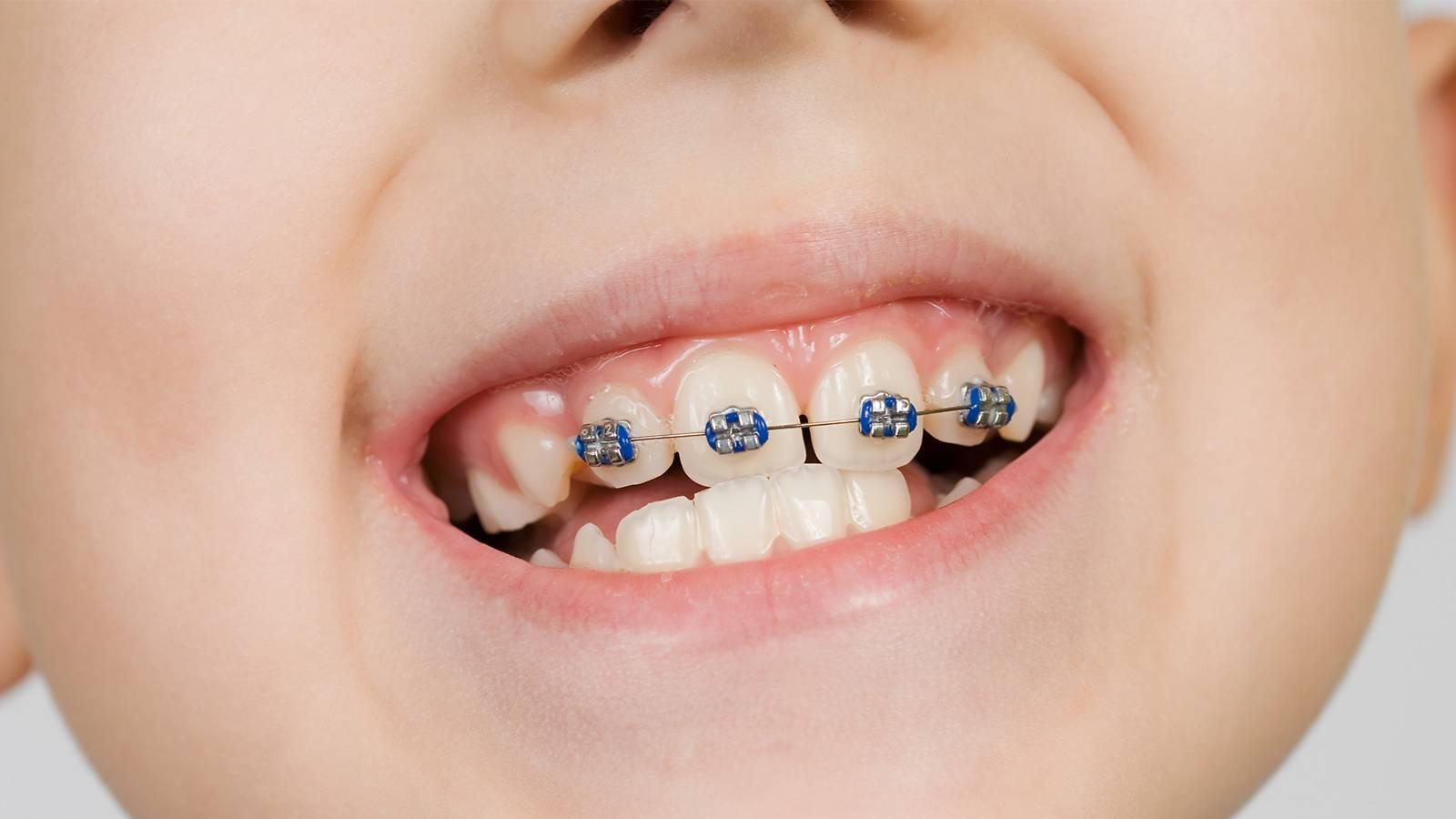
Dental Braces can gradually straighten teeth, improve alignment, and address certain bite problems. While braces are an effective orthodontic treatment, patients may experience some tenderness or changes in their daily routine, particularly during the first few days or after adjustments. Knowing how to care for your teeth and orthodontic appliances can make the treatment experience easier and more comfortable.
Professional guidance is important throughout orthodontic treatment. Enfield Dental Clinic Dubai can help patients understand their orthodontic needs and provide appropriate advice for caring for their teeth and braces. Regular professional monitoring also helps ensure that treatment progresses according to the personalized plan.
Why Can Dental Braces Cause Discomfort?
Braces work by applying controlled pressure to gradually move teeth. When the orthodontic appliance is first placed or adjusted, patients may experience temporary tenderness as their teeth and surrounding tissues adapt.
This discomfort is generally mild and improves as the mouth becomes accustomed to the braces. If pain is severe, persistent, or accompanied by significant swelling or another unusual symptom, patients should contact their dental professional for advice.
Eat Soft Foods After Adjustments
Eating can feel uncomfortable during the first few days after getting braces or having an adjustment. Choosing softer foods can reduce the amount of pressure placed on sensitive teeth.
Foods with a soft texture are often easier to chew during this adjustment period. As the mouth becomes more comfortable, patients can gradually return to their normal diet while continuing to follow their orthodontist's recommendations.
It is also important to avoid foods that can damage brackets or wires, particularly very hard or sticky foods.
Protect Your Cheeks and Lips
New brackets may initially rub against the inside of the cheeks or lips. The mouth usually adapts over time, but orthodontic wax can sometimes be useful for reducing irritation from a rough or uncomfortable area.
Patients should follow the instructions provided by their orthodontic professional when using any product around their braces. If a bracket or wire is repeatedly causing irritation, it is better to have the appliance checked rather than simply ignoring the problem.
Maintain Good Oral Hygiene
Keeping the teeth clean is especially important during orthodontic treatment. Brackets and wires can create areas where food particles and plaque accumulate.
Brush carefully around each bracket, along the gumline, and across all tooth surfaces. Cleaning between the teeth is also important, so patients should use an appropriate flossing method or interdental cleaning tool recommended by their dental professional.
Good oral hygiene can help reduce the risk of tooth decay, gum problems, and unpleasant breath during treatment.
Be Careful With Hard and Sticky Foods
Certain foods can damage orthodontic appliances. Hard candies, chewing gum, very hard foods, and sticky snacks may place unnecessary pressure on brackets and wires.
Following dietary recommendations can help reduce the chance of broken components. When eating harder foods that are permitted, cutting them into smaller pieces can make chewing easier and safer for the braces.
Use a Mouthguard for Sports
People who participate in sports should take additional precautions to protect their teeth and orthodontic appliances. A suitable orthodontic mouthguard can help protect the mouth during physical activities.
Patients should ask their dental professional about an appropriate mouthguard, particularly if they participate in contact or high-impact sports.
Attend Your Regular Appointments
Regular orthodontic appointments are essential for monitoring progress. During these visits, the orthodontist evaluates tooth movement and may adjust wires or other components.
Some tenderness following an adjustment is normal, but keeping appointments helps ensure that the treatment plan remains on track. Missing appointments may interfere with the planned progression of treatment.
Keep Your Braces Clean
A clean orthodontic appliance can contribute to better oral health and a more comfortable treatment experience. Food trapped around brackets can cause irritation and contribute to plaque buildup.
Take enough time when brushing instead of rushing through the process. An interdental brush can also help reach areas around wires and brackets that may be difficult to clean with a standard toothbrush alone.
What If a Wire Becomes Loose?
A loose or broken wire can sometimes cause discomfort inside the mouth. Patients should contact their orthodontic provider if they notice a damaged component.
Avoid attempting to permanently repair or remove braces yourself. A professional can assess the issue and determine the appropriate solution.
If the wire is irritating the cheek or lip, contact your dental provider for instructions about temporary measures until the appliance can be examined.
Follow Your Orthodontist's Instructions
Every patient has different orthodontic needs, so treatment instructions can vary. Your orthodontist may provide specific guidance regarding cleaning, food choices, appliance care, appointment schedules, and other aspects of treatment.
Following these recommendations consistently can help minimize avoidable problems and support steady orthodontic progress.
Patients should also communicate openly about discomfort or concerns. Your dental professional can determine whether a symptom is part of the normal adjustment process or requires additional attention.
How to Stay Comfortable Throughout Treatment
Comfort during orthodontic treatment often depends on preparation and consistent care. Keeping suitable soft foods available, maintaining good oral hygiene, protecting the mouth during sports, and avoiding damaging foods can make everyday life with braces easier.
Over time, most patients become familiar with their braces and develop a routine that fits naturally into their daily activities. The temporary adjustments can become much easier once the mouth adapts to the appliance.
Final Thoughts
Although Dental Braces may require an adjustment period, proper care can make orthodontic treatment considerably more comfortable. Eating appropriate foods, maintaining excellent oral hygiene, protecting the braces, attending regular appointments, and following professional instructions are all important parts of the process. With patience and consistent care, patients can work toward improved tooth alignment and a healthier, more confident smile.
 English
Join our community to interact with posts!