
So I get this question a lot from guys on the floor, usually right after a bag change goes sideways. Two bag filter housing quotes land on your desk and they're not even close in price, and nobody explains why. Honestly most plant managers don't even think about housing design til something breaks, or til a tech is up on a ladder cursing at 6am. But the difference between top-entry and side-entry isn't just a spec sheet thing. It changes how your crew actually works day to day, how much dust gets loose during maintenance, and yeah, how much everybody grumbles about it on a Monday.
What Is a Bag Filter Housing, Anyway
Basically it's the shell. That's it at its core, the box that holds your filter bags or your dust collector filter cartridge elements while dirty air pushes through and clean air comes out somewhere else. Sounds dead simple, and it kind of is, until you start layering in access points and seal integrity and how the thing holds up after a few thousand hours running. Some housings are built so you can swap bags in ten minutes. Others are built tighter, sealed better, but slower to get into. Neither one's wrong really, they're just solving different problems for different floors.
Top-Entry Bag Filter Housing, the Basics
Top-entry means exactly what it sounds like, you get at the bags from above, through a lid that's either hinged or bolted down. A tech climbs up, opens it, pulls the bags straight out. This style's been around forever, mostly because it keeps the dirty compartment sealed off pretty well from the clean-air side. Less chance of stuff migrating where it shouldn't. But here's the catch and it's not a small one — somebody has to physically get up there. Platform, ladder, whatever. Adds time. Adds a bit of risk too, if we're being honest about it.
Side-Entry Bag Filter Housing, a Different Take
Side-entry flips it, the access door is on the side, so guys can change bags or dust collector filter cartridges at ground level or off a walkway, no climbing required. Sounds small but it matters more than people expect. A change that used to eat forty minutes might take fifteen now. There's a tradeoff though — side doors sit closer to the dirty airstream, so the gasket better be good. A sloppy seal there and you've got fugitive dust finding its way back into the plant, which nobody wants.
Access and Maintenance, Where It Really Shows Up
This is usually where the argument lands when I'm talking to a plant manager. Top-entry keeps the compartments cleanly separated, but it wants vertical access, and in taller installs that means scaffolding or a lift, which isn't free and isn't fast. Side-entry gives up a little of that separation for speed and for not putting a guy on a ladder every other week. If your maintenance schedule is tight and labor's already stretched thin, side-entry access on a bag filter housing can cut your downtime by a real amount. But if containment is the priority, pharma plants, food-grade lines, top-entry still wins there.
Airflow and Filtration Performance
Here's a thing people assume wrong a lot. Both designs filter just as well when the engineering's done right, one isn't inherently cleaner than the other. What actually changes is how air spreads across the bags or the dust collector filter cartridges inside. Side-entry units sometimes need extra baffling inside to even out flow across the rows, because the inlet geometry doesn't match a top-loaded plenum. Get that baffling wrong and you end up with uneven loading, some filters wearing out fast while others barely see any dust. It's the kind of detail engineers fight about way more than operators ever notice, until efficiency just quietly drops six months later and nobody knows why.
Cost, Because Everyone Asks Eventually
Top-entry units, the bigger ones anyway, usually need more steel, more platform work, so the upfront number is higher. Side-entry can sometimes sit lower to the ground and save on structural cost, though the access doors and seals themselves tend to run pricier depending who's making them. There's no clean winner on cost here, I wish there was. It really comes down to your building height, what ductwork's already in place, and whether you're retrofitting an old system or starting fresh. Get quotes on both before you assume one's cheaper, because the assumption is wrong more often than you'd think.
Dust Collector Filter Cartridge Compatibility
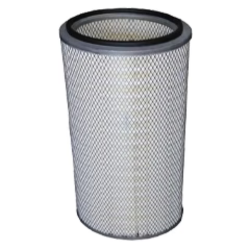
A lot of facilities have been moving toward cartridge filtration instead of the old fabric bags, and that shifts this whole conversation a bit. A dust collector filter cartridge housing built with side-entry access tends to make swaps a lot easier, because cartridges are heavier and bulkier than bags, and nobody's excited about carrying a wet forty-pound cartridge down a ladder rung by rung. A few manufacturers now build hybrid housings that'll take either bags or cartridges depending what your process needs that week, which gives you room to change your mind later without buying a whole new unit.
Safety, the Part Nobody Really Talks About
Access design affects safety more than people give it credit for. Climbing up to a top-entry bag filter housing over and over, especially when it's cold or wet outside, that fall risk adds up over time, even if nothing's ever happened yet. Side-entry keeps techs at grade or on a fixed walkway, which just removes that exposure entirely. If your safety officer's already flagged ladder incidents before, or your insurance company has opinions about it, that alone might be the deciding factor, even when filtration performance is basically a wash.
How to Actually Choose One for Your Facility
Start with how often you're changing bags or cartridges, weekly, monthly, whatever your cycle is. Then look at your building, do you already have vertical clearance and platforms in place or would you be building that from scratch. Think about labor too, honestly, do you have enough hands on shift to justify the extra time a top-entry setup sometimes takes. And factor in what you're actually collecting, fine powders act different than heavier particulate in terms of loading and baffling needs. None of this stuff sits in isolation, it all overlaps, so weigh it together instead of picking the first factor that sounds important and ignoring the rest.
Industry Applications Worth Mentioning
Woodshops, metal fab plants, cement operations, pharma processors, they all run bag filter housings but their priorities aren't the same at all. Cement cares about abrasion and sheer dust volume. Pharma cares about containment, cross-contamination is a dealbreaker there. Metal shops worry about sparks and fire risk near the filter media more than anything else. So when someone asks flat out which housing's "better," honestly the real answer is better for what, under what conditions, with what crew doing the work.
Conclusion
At the end of the day it comes down to your layout, your maintenance rhythm, and whether speed matters more to you than containment, or the other way around. There's no universal winner here and if somebody tells you there is, they're probably selling you something. Look hard at your dust collector filter cartridge needs, your labor situation, and what your building actually allows for, then make the call that fits your operation. Not somebody else's case study, not a spec sheet, yours.
Frequently Asked Questions
1. Is a side-entry bag filter housing always faster to maintain than top-entry? Usually, yeah, since nobody's climbing anything. But the actual time saved depends a lot on door design and gasket quality and just how many bags or cartridges the unit's holding.
2. Can I retrofit an existing top-entry housing into a side-entry one? Technically sometimes, sure. But it usually needs structural changes and isn't really worth it unless you're already tearing into a major system overhaul anyway.
3. Does the housing type change filtration efficiency? Not directly, no. Efficiency comes down more to the filter media itself and how airflow's distributed than whether you're getting in from the top or the side.
4. Which one's better for a dust collector filter cartridge setup? Side-entry tends to win out here, mostly because cartridges are heavier and bulkier than bags and ground-level access just makes life easier for whoever's doing the swap.
 English
Join our community to interact with posts!