
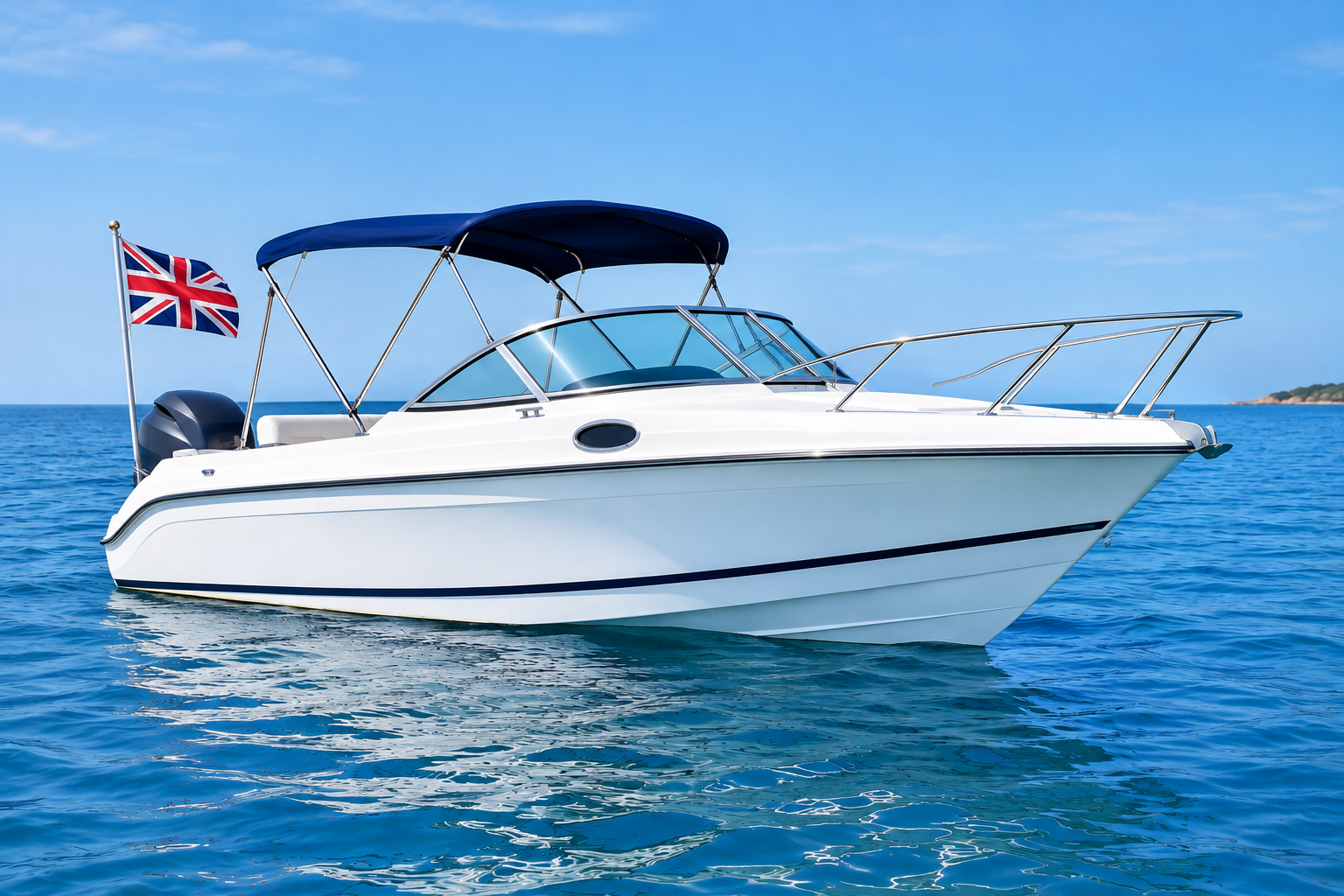
Registering your vessel under the British Flag grants immediate international recognition, robust maritime legal protection, and seamless global navigation. The United Kingdom Ship Register (UKSR)—administered by the Maritime and Coastguard Agency (MCA)—remains one of the most prestigious ship registries worldwide. Whether you own a private pleasure craft or operate a commercial charter, securing UK flag state administration establishes clear proof of ownership and ensures smooth border clearances globally.
This comprehensive guide details the UK registry structure, eligibility criteria, required documentation, and step-by-step registration procedure to help you navigate the process efficiently.
Understanding the UK Ship Register Structures
The UK Maritime and Coastguard Agency divides vessel registration into distinct categories tailored to different ownership profiles and operational requirements. Selecting the correct registry section ensures full compliance with international maritime laws.
-
Part 1 Registry: The flagship register for both private and commercial vessels. It provides official title deeds, allows mortgage registration against the vessel, and grants full British registry status.
-
Part 3 Registry (Small Ships Register - SSR): A simplified, low-cost registration designed exclusively for UK-resident private boat owners with vessels under 24 meters.
-
Bareboat Charter Register (Part 4): Enables foreign-flagged ships to temporarily fly the Red Ensign while operated under a bareboat charter by a UK entity.
For most global yacht owners seeking full legal protection, title registration, and international credibility, UK Part 1 yacht registration serves as the gold standard.
Key Benefits of Registering a Yacht in the UK
Flying the iconic Red Ensign offers strategic, operational, and financial advantages to vessel owners operating in international waters.
1. Global Prestige and Legal Protection
The British Red Ensign enjoys universal recognition across international ports. Registering under the UKSR gives vessel owners access to diplomatic support from UK consular services and protection from the Royal Navy in high-risk maritime zones.
2. Streamlined Maritime Commerce
UK registration simplifies customs entry, port clearance, and chartering permissions across European and international jurisdictions. Major maritime insurers and marine lenders explicitly prefer vessels registered on the UK Part 1 register due to the clear legal framework governing property titles and registered mortgages.
3. Favorable Tax Structure and Flexibility
The UK does not levy direct annual flag taxes on registered pleasure craft. Furthermore, UK Part 1 registration allows corporate ownership, enabling non-UK residents to maintain vessel title by holding the boat through a UK Limited (LTD) company or an eligible foreign entity.
Eligibility Criteria for UK Part 1 Registration
To qualify for UK Part 1 flag status, the MCA enforces specific ownership criteria. Entitlement to own a UK-registered vessel depends on nationality or corporate residency.
Qualified Ownership Entities
An individual or corporate body can register a vessel under Part 1 if they fall into one of the following categories:
-
UK and Commonwealth Citizens: Citizens of the UK, British Overseas Territories, or any Commonwealth nation.
-
EU and EEA Nationality: Citizens of European Union member states or European Economic Area countries.
-
Recognized Corporate Bodies: Companies incorporated within the UK, the Isle of Man, the Channel Islands, EU/EEA member states, or qualified UK Overseas Territories.
Note for Non-UK Residents: If you do not meet the direct individual citizenship requirements, you can establish a UK Limited company to act as the legal owner of the yacht, granting immediate eligibility for UK Part 1 registration.
Essential Documentation Required for Registration
The Maritime and Coastguard Agency requires specific evidence to verify legal ownership, vessel identity, and safety compliance before issuing a Certificate of British Registry.
| Document Type | Purpose / Description | Required For |
| Bill of Sale (Form MSF 4705) | Proves the transfer of legal title and ownership chain. Must trace ownership back 5 years. | All Vessels |
| Declaration of Eligibility (Form MSF 4727) | Confirms that the owner meets UKSR citizenship or corporate qualification criteria. | All Owners |
| Certificate of Survey for Tonnage and Measurement | Verifies physical dimensions, tonnage, and structural identity of the vessel. | Vessels > 24m & Part 1 |
| Builder's Certificate | Confirms vessel build details and original ownership transfer for brand-new yachts. | New Builds |
| Deletion Certificate | Proves the vessel was formally removed from its previous foreign ship registry. | Used/Imported Yachts |
| Radio station License & MMSI | Authorizes onboard VHF, AIS, and satellite communication equipment under Ofcom. | All Vessels |
Step-by-Step UK Yacht Registration Process
Securing your Red Ensign registry certificate involves a structured administrative sequence with the MCA and authorized tonnage surveyors.
-
Phase 1: Application Preparation
-
Phase 2: Tonnage Survey
-
Phase 3: MCA Submission
-
Phase 4: Marking & Certification
Phase 1: Name Approval and Entity Setup
First, submit your preferred vessel names to the UK Ship Register to ensure uniqueness. The registry requires a primary choice and two alternative names. If using corporate ownership, incorporate your UK LTD company prior to submitting application forms.
Phase 2: Ordering a Tonnage Survey
Engage an MCA-approved classification society or authorized survey body (such as RYA, YBDSA, or Mecal) to complete a formal Tonnage and Measurement Survey. The surveyor physically inspects the vessel, calculates gross and net tonnage, and issues the official Survey Certificate.
Phase 3: Document Submission to the MCA
Compile and submit all completed application forms, legal title documents, five-year chain of ownership proofs, survey certificates, and registry fees directly to the UK Ship Register portal or through your authorized maritime agent.
Phase 4: Carving and Marking Verification
Once the MCA processes your documents, they issue a Carving and Marking Note. You must permanently affix the official vessel number, net tonnage, and registered port of choice onto the vessel's internal structure. An authorized surveyor or qualified officer inspects the marking, signs the note, and returns it to the MCA.
Phase 5: Certificate Issuance
Upon receipt of the signed Carving and Marking Note, the MCA officially issues your Certificate of British Registry. UK Part 1 certificates remain valid for five years and require straightforward renewal upon expiration.
Maintaining Compliance: Radio Licensing and Safety Rules
Operating under the UK flag requires compliance with ongoing navigational and radio safety standards.
-
MMSI and Ofcom Licensing: Every UK-registered vessel equipped with VHF, Radar, EPIRB, or AIS equipment must maintain an active Ship Radio License issued by Ofcom. This assigns a unique Maritime Mobile Service Identity (MMSI) number for emergency broadcasting.
-
Commercial Yacht Codes: If you plan to operate your yacht commercially or for charter, the vessel must comply with the MCA Small Commercial Vessel Code (such as the Workboat Code or MGN 280) and undergo regular safety surveys.
-
Annual Renewal Requirements: While Part 1 registration lasts five years, owners must update the registry immediately if changes occur regarding ownership structure, vessel engines, or corporate address.
Frequently Asked Questions (FAQs)
How long does the UK Part 1 yacht registration process take?
Standard processing by the MCA takes approximately 2 to 3 weeks once you submit all complete documents and the tonnage survey. Express processing services can shorten this timeframe to 3 to 5 business days.
Can non-UK citizens register a yacht in the UK?
Yes. Non-UK residents can easily qualify by incorporating a UK Limited company (which takes less than 24 hours) and assigning ownership of the vessel to the company. The UK LTD company then acts as the qualifying owner on the registry.
What is the difference between UK Part 1 and Part 3 (SSR) registration?
Part 1 registration provides formal legal title, supports marine mortgages, allows corporate ownership, and accepts larger or commercially operated vessels globally. Part 3 (SSR) is a simple registry strictly for UK residents owning small private boats (under 24m) and does not provide proof of legal title or support bank mortgages.
How long is a UK yacht registration valid?
A UK Part 1 Certificate of Registry is valid for 5 years. You can renew it online prior to expiration by paying the renewal fee and confirming that ownership details remain unchanged.
Streamline Your UK Flag Registration
Navigating tonnage surveys, ownership chains, and MCA documentation requires precision to prevent delays or administrative rejections. Working with experienced maritime documentation specialists ensures your application meets all UK Ship Register standards accurately from the start.
Contact our maritime consulting team today to manage your UK yacht registration, setup UK corporate ownership entities, and secure your Red Ensign flag efficiently.
 English
Join our community to interact with posts!