
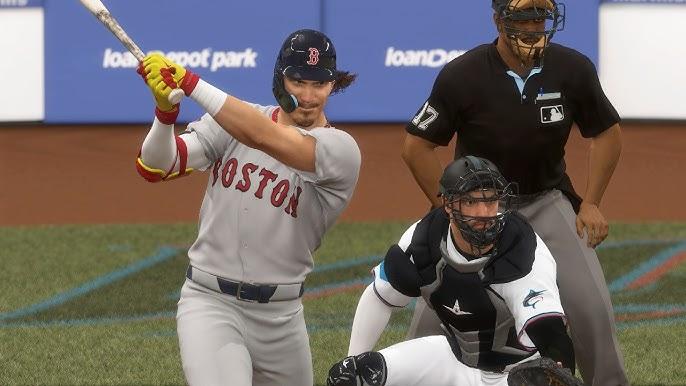
Solo grinding can get repetitive when every at-bat feels like it only serves your own lineup. The Community Home Run Challenge changes that rhythm by turning power swings into a shared target, while MLB The Show 26 Stubs can help you build a deeper selection of bats without locking you into one approach.
What Makes the Community Home Run Challenge Different?
Every eligible home run adds to the same community total. Tier 1 arrives at 20 million, Tier 2 at 40 million, and Tier 3 at 55 million.
The event runs through September 21, and you can switch between qualifying modes whenever your preferred setup starts to feel stale.
1 Build Around Pure Power
This route suits players who want quick results and plenty of deep drives. Focus on contact quality first, then keep the lineup simple.
Some useful lineup choices include.
• Start with your highest-power bats, especially Supercharged Elly and Jesús while their temporary boosts remain active.
• Add strong cards from August Spotlight Drop 4, the Lightning collections, Multiplayer Program 7, and the 7th Inning XP Path.
• Check each hitter's active attributes instead of trusting the headline overall rating.
• Keep your strongest bats in familiar spots so you're not learning new swings during a volume session.
Power builds create more chances for quick progress, but they still need hitters whose timing feels natural. A card with slightly less power may perform better if you square it up consistently.
2 Pick the Right Mode for Your Session
This branch works well for players who want control over pace, difficulty, and the number of plate appearances. You don't need to play one mode all day.
Try these practical options.
• Use Mini Seasons when you want repeated at-bats and a predictable offline setting.
• Choose Conquest for flexible play, quick lineup testing, and steady progress between other tasks.
• Enter Ranked or Events when the current rules list them as eligible and you enjoy stronger competition.
• Check the in-game tracker or official progress page before starting, since eligibility can vary by mode.
Offline play is often easier for focused home-run sessions. Online games can offer sharper competition and extra program value, so pick the setting that keeps you patient at the plate.
3 Turn Each Swing Into Longer-Term Progress
This option is for players who want the challenge to support several goals at once. Your lineup can work on Parallel levels while you chase the shared total.
Keep these details in mind.
• Use the same core bats long enough to raise their Parallel levels and improve secondary attributes.
• Let eligible online games contribute toward Multiplayer Program 7 when those conditions apply.
• Watch the 7th Inning XP Path so challenge sessions also move nearby rewards forward.
• Save room for September Spotlight Drop 1 and the expected Jose Altuve milestone program on Friday.
This approach rewards consistency. You may not hit every milestone in one sitting, but each game can feed several progression tracks at once.
Which Approach Fits Your Lineup?
Choose power bats for fast volume, Mini Seasons or Conquest for controlled repetitions, and online modes for tougher at-bats plus program progress. If your roster needs another boost before the event closes, buy MLB 26 Stubs and spend your session chasing home runs, Parallel gains, and the next community tier.
How MLB The Show 26 Tracks Home Run Tiers at U4GM
Vote
Comment
Share
- Arts
- Business
- Construction
- Current Events
- Earth
- Employment
- Fashion
- Financial
- Fitness
- Food & Beverages
- Geography
- Health
- History
- Human Rights
- Internet
- Language
- Math
- Medicine
- Movies
- Music
- Natural Medicine
- Outer Space
- Parenting
- Personal Development & Self Improvement
- Politics
- Religion
- Safety
- Spirituality and Awakening
- Sports
- Technology
- Theatre
© 2026 CS Factor, trademark, all rights reserved.
 English
Join our community to interact with posts!