
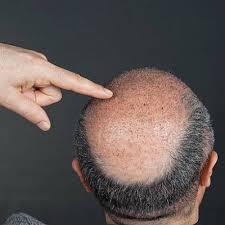
A Hair Transplant in Dubai can be an effective option for people experiencing hair thinning, receding hairlines, or pattern hair loss. One of the most common questions patients ask before treatment is, “When can I return to work after a hair transplant?” The answer depends on the transplant technique, the type of work you do, your individual healing process, and how well you follow aftercare instructions.
For many people, returning to work is possible within a few days. However, physically demanding jobs may require a longer break to reduce the risk of irritation, excessive sweating, or accidental contact with the treated scalp.
Typical Timeline for Returning to Work
The recovery period after a hair transplant is generally manageable, but the scalp needs time to heal. Many patients can resume desk-based or office work within 2 to 5 days if they feel comfortable.
Some people prefer to take approximately one week off because mild swelling, redness, scabbing, or sensitivity can be noticeable during the first several days. Taking additional time away from work can also provide greater privacy while the scalp begins to heal.
People with physically demanding occupations may need more time before returning. Activities involving heavy lifting, intense exercise, outdoor exposure, dust, or significant sweating may need to be limited for longer according to the treating professional’s advice.
Does the Hair Transplant Technique Affect Recovery?
Yes. Different hair restoration techniques involve different approaches to harvesting and implanting hair follicles. Common methods include FUE (Follicular Unit Extraction) and FUT (Follicular Unit Transplantation).
FUE involves removing individual follicular units from the donor area before placing them into areas affected by hair loss. Because it does not generally involve removing a strip of scalp, many patients experience a relatively straightforward recovery.
FUT involves removing a strip of skin containing hair follicles from the donor area. It may require more attention to wound healing and can have a different recovery timeline.
Your expected return-to-work date should therefore be discussed during your consultation rather than based solely on another person's experience.
Returning to Office or Desk Work
If your job involves sitting at a desk, attending meetings, or working on a computer, you may be able to return relatively soon after treatment.
However, returning to work does not mean the scalp has completely healed. Newly transplanted follicles remain delicate during the early recovery period. You should avoid touching, scratching, rubbing, or unnecessarily adjusting the scalp.
If possible, consider arranging flexible working hours or working remotely for the first few days. This can make it easier to rest and follow your post-treatment care instructions.
Returning to Physically Demanding Work
People who work in construction, fitness, hospitality, outdoor environments, or other physically active occupations may need a longer recovery period.
Heavy physical activity can increase sweating and may place unnecessary stress on the healing scalp. Dust and environmental contaminants may also increase irritation.
Your hair transplant provider may recommend avoiding strenuous activities for a specific period. Follow those instructions even if you feel physically well, because the scalp may still be healing beneath the surface.
What About Wearing a Hat at Work?
Many patients are concerned about hiding redness or scabbing when returning to work. Whether you can wear a hat depends on the procedure, the stage of healing, and your provider's instructions.
A hat that presses against newly transplanted follicles may cause unwanted friction or pressure. Therefore, do not use a hat simply to hide the procedure unless your hair restoration specialist confirms that it is appropriate.
When sun exposure is a concern, follow the recommended scalp-protection measures rather than improvising with tight headwear.
Common Signs You May Notice After Treatment
It is normal for the scalp to look different during the early recovery period. Depending on the individual, you may experience:
- Mild redness around the transplanted area
- Small scabs or crusts
- Temporary swelling
- Mild tenderness or sensitivity
- Tightness around the scalp
- Temporary shedding during later stages of healing
These effects do not necessarily mean something is wrong. However, severe pain, significant swelling, persistent bleeding, pus, fever, or other unusual symptoms should be reported to your healthcare provider promptly.
How to Make Your Return to Work Easier
Planning your return can help protect the transplanted follicles and make the transition more comfortable.
Follow Your Aftercare Instructions
Your provider should give you specific instructions for washing, sleeping, medication, physical activity, and scalp protection. Following these recommendations is an important part of recovery.
Avoid Unnecessary Scalp Contact
Try not to scratch, rub, or repeatedly touch the treated area. Even if the scalp feels itchy during healing, follow the recommended approach for managing discomfort.
Protect Your Scalp From Excessive Sun
Strong sunlight can irritate a healing scalp. Ask your provider when and how you should protect the treated area from direct sun exposure.
Plan Around Your Work Schedule
If you have an important meeting, event, or physically demanding assignment, consider scheduling your procedure far enough in advance to allow your scalp to settle.
When Can You Exercise Again?
Exercise is usually restricted during the initial recovery period. Sweating, increased blood flow, and accidental contact with the scalp can interfere with comfortable healing.
Light activity may be resumed earlier than strenuous exercise, but the exact timing should come from your hair transplant provider. Swimming, contact sports, weightlifting, and intense workouts may require additional restrictions.
Clinic-Based Care and Personalized Guidance
A professional consultation is important because recovery is not identical for everyone. During an assessment, the provider can consider the extent of hair loss, donor-area condition, chosen transplant technique, graft requirements, general health, and occupation when discussing recovery expectations.
At Tajmeels clinic, hair transplant care can be approached with attention to individual hair-loss patterns, treatment planning, recovery needs, and natural-looking outcomes. Patients can discuss their work requirements and daily routine during consultation so that post-treatment guidance can be tailored to their circumstances.
Final Thoughts
For many patients, returning to an office-based job within a few days after a hair transplant may be realistic, while physically demanding work can require additional recovery time. The visible condition of the scalp, the transplant technique, individual healing, and aftercare all influence when you should return.
Rather than focusing only on the earliest possible return, it is better to give your scalp adequate time to heal and follow professional instructions carefully. A personalized consultation can help you understand what to expect before, during, and after your hair transplant in Dubai.
More Information
Tajmeels Clinic Dubai
WhatsApp: +971 56 203 8751
Phone: tel:+971 43739000
Social Media:
 English
Join our community to interact with posts!