
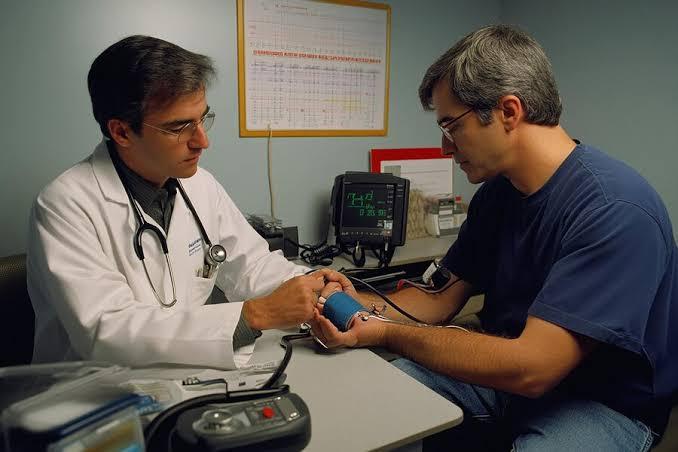
After visiting an approved medical centre and completing the necessary tests, applicants usually wait for their medical report to be processed. However, sometimes the result may take longer than expected.
A delay does not always mean that there is a problem with the applicant's health. Several administrative, medical, technical, and verification-related factors can affect how quickly a report is processed. Understanding these possible reasons can help applicants remain patient and take the right steps if their result is delayed.
1. Additional Verification of Medical Information
One common reason for a delayed report is the need to verify information submitted during the medical process. Details such as passport information, personal identification, appointment information, or other records may need to be checked before the report can be finalized.
Even a small difference between the information provided during registration and the applicant's documents can require additional verification. Applicants should therefore make sure that their personal information is accurate when arranging their medical examination.
2. Additional Medical Review
Sometimes, a medical centre may need additional time to review a particular test or examination result. If a doctor notices something that requires further assessment, the report may not be finalized immediately.
This does not automatically indicate that an applicant will be declared medically unfit. In some cases, additional review is simply necessary to ensure that the available information is complete and accurate.
Applicants should follow the instructions provided by the medical centre and avoid making assumptions about their result before the official report is available.
3. High Number of Applicants
Medical centres can experience periods when a large number of people are completing examinations, particularly when overseas recruitment activity increases.
A higher workload can affect administrative processing, laboratory work, data entry, and report verification. As a result, applicants may sometimes have to wait longer than they expected.
Planning the medical examination in advance can help reduce unnecessary pressure, especially for people working with a specific visa or travel timeline.
4. Laboratory Processing Time
A GCC medical examination may involve several different tests. Some results can be processed relatively quickly, while others may require additional laboratory procedures.
If a laboratory is handling a large volume of samples or a particular test requires additional checking, the final report may take longer to complete.
Applicants should remember that different parts of a medical examination may be processed at different stages. The final report generally depends on the completion and review of the required information.
5. Technical or System-Related Issues
Modern medical appointment and reporting systems rely on digital platforms to record and transmit information. Technical problems can occasionally affect the movement or updating of information.
For example, a temporary system issue may prevent a status from being updated immediately. Internet connectivity, server-related problems, data synchronization, or maintenance can also contribute to delays.
If the medical centre confirms that the examination has been completed but the online status does not change for some time, applicants can contact the appropriate centre or support channel instead of repeatedly submitting information.
6. Incorrect or Incomplete Documents
Another possible reason for delays is incomplete documentation. Applicants are generally required to provide specific identification and appointment-related information during the medical process.
If a document is unclear, incorrect, expired, or inconsistent with the information entered during registration, staff may need to verify the details before continuing.
Before attending the examination, applicants should carefully check their passport details, appointment information, photographs, and any other required documents. Keeping both physical and digital copies can also be helpful.
7. Appointment-Related Issues
The appointment stage is important because it connects the applicant's personal information with the medical examination. When booking a Wafid Appointment, applicants should carefully enter their details and select the appropriate information.
Changes made after booking can sometimes create confusion if the updated information does not match the records already associated with the appointment.
If an applicant cannot attend the scheduled appointment, they should understand the applicable cancellation or rescheduling process rather than simply ignoring the appointment.
For example, someone searching for information about Wafid Appointment cancel should first check the applicable official process and any instructions associated with their appointment. Taking the correct administrative steps can help avoid unnecessary complications later.
8. Public Holidays and Non-Working Days
Public holidays and weekends can sometimes affect the speed of administrative and laboratory processing. If an examination takes place close to a holiday period, some parts of the process may take longer because fewer staff or working days are available.
This is especially important for applicants who have strict deadlines for their visa or employment documentation. It is better to allow some extra time rather than planning travel immediately after the medical examination.
9. Data Matching and Record Updates
The information generated during a medical examination may need to be matched with the applicant's existing appointment and identification records.
If there is a mismatch in spelling, passport number, date of birth, or other personal information, additional checking may be necessary.
Applicants should carefully review their information before completing the appointment process. Accurate information at the beginning can reduce the possibility of administrative problems later.
10. Communication Between Different Systems
Medical processing can involve several stages, including appointment registration, medical examination, laboratory testing, verification, and report submission.
Information may need to move between different systems before the final status becomes visible to the applicant. Occasionally, the examination may already be progressing while the online status appears unchanged.
Therefore, applicants should not immediately assume that a lack of a status update means their medical examination has failed or been rejected.
What Should You Do If Your Report Is Delayed?
If your GCC medical report is taking longer than expected, the first step is to remain calm. Check the status using the appropriate official channel and confirm that your appointment and personal information are correct.
If the delay continues, contact the medical centre where the examination was completed. Keep your passport details, appointment information, receipt, and other relevant documents available when making an inquiry.
Avoid relying on unofficial messages or websites that promise to change or speed up medical results. The medical centre or authorized system should be treated as the reliable source for information about your report.
Plan Ahead to Avoid Unnecessary Stress
A delayed GCC medical report can be frustrating, particularly when an overseas job, visa application, or travel plan depends on the result. However, delays can occur for many reasons and do not necessarily indicate a negative medical outcome.
Applicants can reduce avoidable problems by entering accurate information, preparing documents carefully, attending the scheduled appointment on time, and following the instructions provided by the medical centre.
When arranging a Wafid Appointment, it is also important to keep track of the appointment details and understand what to do if plans change. If you need to know how to Wafid Appointment cancel, check the relevant official instructions before taking any action.
Most importantly, give the medical process enough time. Checking the status repeatedly or worrying about an unchanged update will not speed up the process. Keeping your documents ready and contacting the appropriate authority when necessary is a more practical approach.
A GCC medical examination is an important step toward overseas employment. With proper preparation and patience, applicants can handle unexpected delays more confidently and continue with the next stages of their visa process once the official medical result is available.
 English
Join our community to interact with posts!