
Some restaurants stay fully booked on a random Tuesday. Others sit half-empty on a Friday, no obvious reason why. Rarely luck. More often it comes down to how well a place fits into whatever the occasion actually demands. An American restaurant, more than most cuisines, tends to hit that mark — familiar enough to feel easy, varied enough to stay interesting, flexible enough to survive a first date, a work lunch, or a family reunion where three generations can't agree on anything, including what "spicy" means.
Nobody sits around thinking about why this works. It just does. Order arrives, everyone's reasonably happy, meal's over. But there's a set of reasons hiding under that ease, and they're worth pulling apart a little.
One Menu, Wildly Different Eaters
Step into a Thai restaurant — the menu's Thai. A sushi counter — sushi, plus maybe a teriyaki dish tossed in for the nervous ones. American menus don't follow that logic at all. Burgers sit a few lines above pasta. Steaks share space with tacos. Somewhere near the bottom there's a Cobb salad next to a full rack of ribs, and nobody questions it.
That's not a lack of identity. It kind of is the identity. American food grew out of immigrant kitchens, regional stubbornness, and a general refusal to pick a lane. Why does any of this matter when choosing where to eat? Groups rarely agree. Someone wants something light. Someone else needs carbs immediately. One person's doing the no-meat thing this month. And there's always at least one person who just wants a burger, full stop, no negotiation. Finding a menu that satisfies all four without forcing anyone to compromise — that's genuinely rare. This format tends to manage it.
Comfort Food Does Something to the Brain
There's a reason mac and cheese shows up on nearly every American menu in some form. Familiar food lowers the guard a bit. Less decision fatigue, less second-guessing, more relaxed table energy. Food researchers have poked at this for years — nothing revolutionary about the finding, but it tracks with real life.
Compare that to a totally unfamiliar cuisine, where every dish name needs a small explanation and ordering feels like a minor leap of faith. Nothing wrong with that kind of adventurous eating. Plenty of people love it. But it adds friction. For occasions where the gathering is the point, not the culinary discovery, that friction just gets in the way. People already know what a chicken sandwich is. They know what wings taste like before the plate lands. Predictable, sure — but useful, not boring.
The Room Changes Mood Without Changing Cuisine
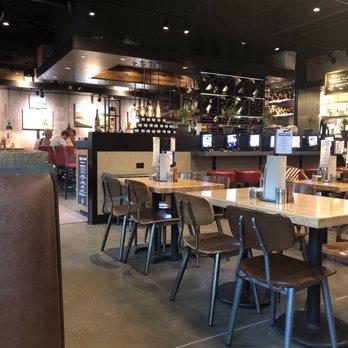
Worth noticing: American restaurants rarely lock into one vibe. A steakhouse can feel refined enough for an anniversary dinner, while its sports-bar cousin two blocks down works for yelling at a football game with friends. Diners, grills, bistros, gastropubs — technically all under one cuisine, yet each built for a completely different night out.
That range in atmosphere gets undersold. A celebration wants dim lighting, a decent wine list, maybe some quiet. A quick lunch catch-up wants speed and zero fuss. A family outing wants room for noise, a kids' menu, and staff who won't flinch at spilled juice. Few cuisines pull off this spread of settings while keeping the underlying food philosophy roughly the same — big portions, familiar flavors, techniques nobody has to think twice about.
Portion Size Still Sways Decisions (Whether Admitted or Not)
Nobody likes saying portion size affects where they eat. It does anyway. American dining built its reputation — fair stereotype or not — on generous plates. Whether that's cultural myth or genuine value depends on who's asked. Either way, the expectation sticks before anyone's even seated.
For groups and families, that turns into real practical value. Shared appetizers. One entrée split two ways without either person feeling short-changed. A kid picking off a parent's plate instead of ordering separately. Small logistics, sure, but they add up fast over the course of a meal — and budget-conscious diners notice every bit of it.
Consistency Is What Actually Builds Trust
A new fusion spot is exciting the first visit. Second visit, there's mild risk — will it hold up? Third visit, doubts creep in about whether the first meal was just a fluke. American restaurants, the well-run independent ones especially, tend to nail consistency because the format leans on technique more than novelty. A properly seasoned burger. A steak rested the right amount. Soup that tastes the same in January as it does in July. That reliability is what earns repeat visits — for anniversaries, birthdays, or just an average Wednesday when cooking sounds unbearable.
Places that get this right rarely need gimmicks. The food does the convincing on its own. Nothing more complicated than that.
Local Spots Prove the Point Even Better
Chains get most of the attention, sure, but independently run places often do this job better. Anyone browsing casual places to eat in Woodlands will notice the same pattern — family-owned diners, no-frills grills, neighborhood regulars-only kind of spots that somehow still feel personal without sacrificing food quality. These aren't stiff, reservation-required establishments either. They're the kind of place where staff remember names, and first-timers still feel settled in within minutes. That warmth paired with reliability is hard to fake, and honestly, it's a big part of why this style of dining keeps thriving — locally and well beyond it.
Conclusioin
None of this happens by accident, even if it looks effortless from the outside. The format survives because it quietly solves a real problem: how to feed different people, different moods, and different budgets under one roof without asking anyone to compromise too hard. Not flashy. Not reinventing anything. Just consistently useful — which might be the single most underrated quality a restaurant can have.
FAQ
Is American meals simply burgers and fries?
No, and that false impression undersells it badly. The class spans steakhouse cuts, regional barbecue traditions, alleviation classics, seafood, and masses of dishes borrowed and reshaped from different cultures. Burgers are surely the best entry factor to recognize.
Why do these eating places work so nicely for massive groups?
Mostly menu range. Between salads, hearty mains, and shareable sides, most urge for food sizes and dietary preferences get protected beneath one roof — no want for a separate reservation someplace else.
Can American eating places take care of formal occasions?
Yes, especially steakhouse or upscale grill concepts, which regularly lift the ambiance and menu depth wanted for anniversaries, enterprise dinners, or different activities that name for a bit greater polish.
Why are component sizes so related with this cuisine?
Generous servings have been a hallmark for decades, regularly making shared plates or leftovers practical alternatives — a realistic plus for households and all and sundry retaining an eye on cost.
Does consistency definitely depend that a whole lot for repeat visits?
It things greater than most humans admit. A restaurant handing over the equal pleasant each and every go to earns long-term trust, and that have faith tends to out survive some thing brand new menu is famous this year.
 English
Join our community to interact with posts!