
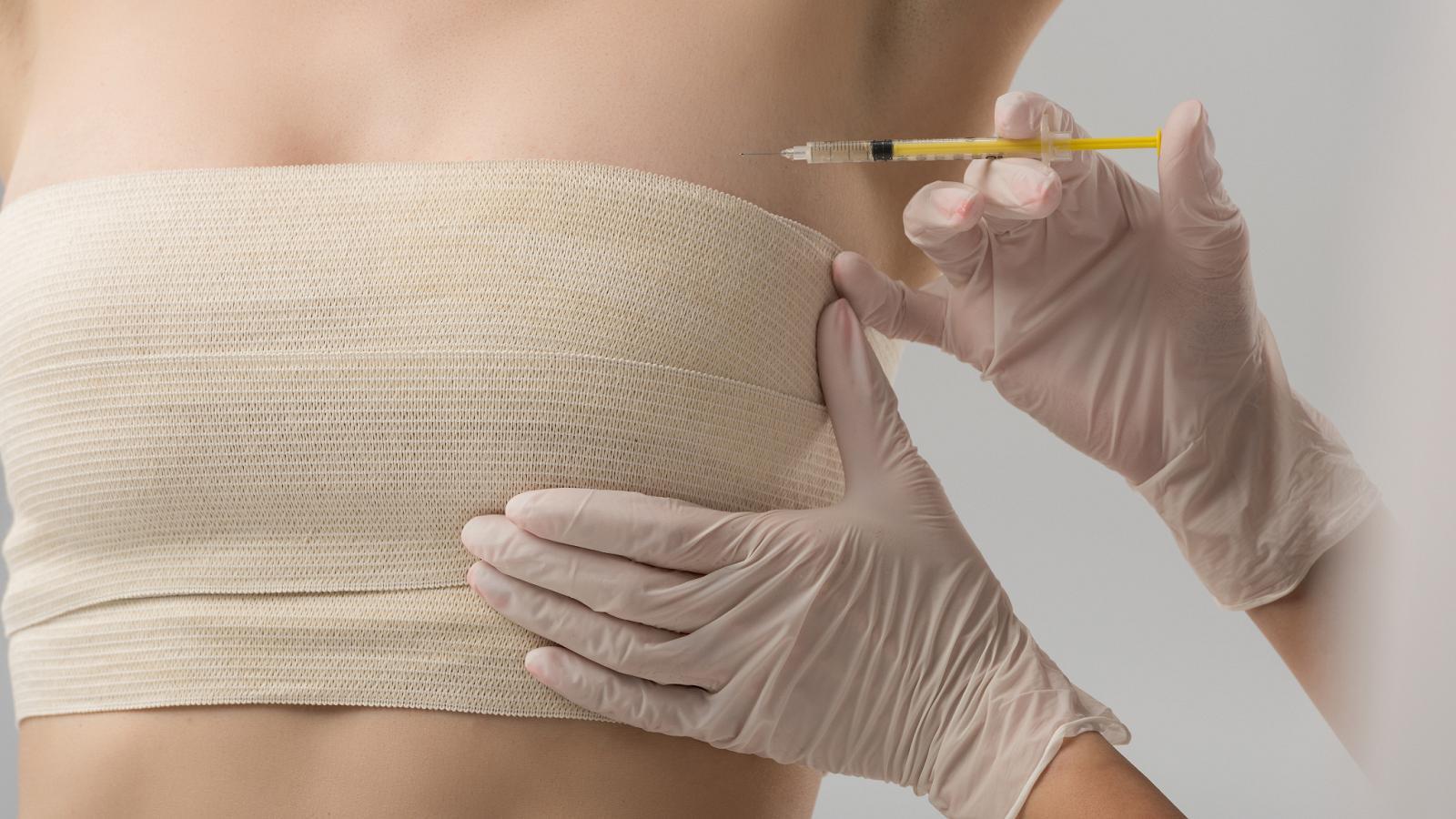
Before-and-after photographs can be useful when researching Breast Augmentation In Dubai, but they should not be the only factor used to judge whether the procedure is right for you. Every patient has different anatomy, breast tissue, skin elasticity, body proportions, and healing patterns. These differences can significantly influence the final appearance, even when similar surgical techniques or implant sizes are used.
A Breast Augmentation Lab may support certain assessment and preparation processes, while the surgical procedure itself should be performed by a qualified plastic surgeon in an appropriately equipped medical facility. A professional consultation remains essential for understanding what type of result may be realistic for your individual body.
Why Before-and-After Photos Matter
Before-and-after photographs can provide a general idea of what breast augmentation may achieve. They can show changes in breast volume, shape, projection, and overall proportions.
However, photographs should be viewed as examples rather than promises. A patient's final result depends on factors that may not be visible in a photograph, including the amount of natural breast tissue, chest dimensions, skin quality, implant placement, and individual healing.
When reviewing results, it is helpful to focus on patients with anatomy and goals that are reasonably similar to your own.
Comparing Similar Body Types
A photograph of someone with a different body structure may not provide an accurate expectation of how an implant will look on you.
Chest width, height, weight, natural breast shape, and tissue coverage can all affect the appearance of implants. This is why a surgeon should assess your anatomy before recommending a particular size or style.
What Can Breast Augmentation Change?
Breast augmentation primarily increases breast volume. Depending on the patient's anatomy and treatment plan, it may also improve fullness and create a more balanced appearance.
Some patients choose augmentation because they feel their breasts are too small in relation to their body. Others may want to restore volume that changed after pregnancy, breastfeeding, weight loss, or aging.
The procedure can also be considered when there is noticeable breast asymmetry, although complete symmetry cannot always be achieved.
Choosing the Right Implant
One of the most important factors influencing the final result is implant selection. Implants come in different sizes, shapes, profiles, and filling materials.
The appropriate implant depends on the patient's anatomy and desired appearance. A surgeon may evaluate chest width, existing tissue, skin elasticity, and breast shape before making a recommendation.
Selecting an implant solely because it produced an attractive result for someone else may not be appropriate. The same implant can look very different on another body.
Size Is Not the Only Consideration
Patients often focus on implant volume, but other characteristics can be equally important. Implant width and projection can influence how the breasts look from the front and side.
A larger implant does not necessarily produce a better or more attractive result. The objective is to select an option that fits the patient's anatomy and aesthetic goals.
Understanding the Healing Process
The appearance immediately after surgery is not the final result. During the early recovery period, swelling and tissue tightness can affect breast shape and position.
The breasts may initially appear higher, firmer, or different in size from the expected outcome. As healing progresses, swelling generally decreases and the tissues can gradually settle.
This is why before-and-after comparisons should consider the timing of the postoperative photograph. A photograph taken shortly after surgery may look very different from one taken after the patient has fully healed.
How Long Does It Take to See Results?
The timeline varies between patients. Some changes can be seen soon after surgery, but the final appearance develops gradually.
The body needs time to recover from surgery, and the implants and surrounding tissues may settle over the following weeks and months. Your surgeon can provide more specific information based on the surgical technique and your individual circumstances.
Patients should avoid making immediate judgments about their results and allow adequate time for healing.
What Makes a Result Look Natural?
Natural-looking breast augmentation depends on multiple factors. Implant size, implant profile, placement, natural tissue coverage, skin elasticity, and body proportions can all contribute to the final appearance.
A personalized treatment plan is therefore more important than copying a particular result.
During consultation, patients should explain whether they prefer subtle enhancement, increased fullness, or a more noticeable change. The surgeon can then determine what may be achievable based on the patient's anatomy.
The Role of Breast Symmetry
Perfect breast symmetry is uncommon even before surgery. Small differences in breast size, shape, position, or nipple placement are normal.
Breast augmentation may improve differences in volume, but it cannot guarantee complete symmetry. In some cases, additional techniques may be considered to create better balance.
Patients should discuss any existing asymmetry during their consultation so that it can be incorporated into the surgical plan.
Looking Beyond the Photos
Before-and-after photographs do not show everything. They may not reveal how the patient felt during recovery, how long healing took, or what long-term changes occurred.
Patients should therefore use photographs as one research tool rather than the sole basis for choosing surgery.
A professional consultation provides more meaningful information because the surgeon can evaluate your individual anatomy and discuss realistic expectations.
Recovery and Aftercare
Following breast augmentation, patients may experience temporary swelling, bruising, tightness, or discomfort. The recovery process varies according to the individual and the surgical approach.
The surgeon will provide instructions regarding wound care, medications, physical activity, support garments, and follow-up appointments.
Heavy lifting and strenuous exercise may need to be avoided temporarily. Following medical instructions can support appropriate healing and help reduce the risk of complications.
Long-Term Expectations
Breast augmentation can provide long-lasting enhancement, but the breasts can continue to change over time. Aging, pregnancy, breastfeeding, significant weight changes, and natural changes in skin elasticity can influence the appearance.
Breast implants are also not necessarily lifetime devices. Patients should understand the importance of ongoing medical care and professional evaluation if concerns arise in the future.
Discussing long-term expectations before surgery helps patients make a more informed decision.
Choosing a Qualified Surgeon
When researching breast augmentation, the surgeon you choose is more important than simply finding a particular before-and-after photograph. Look for an appropriately qualified plastic surgeon with relevant experience and access to a properly equipped surgical facility.
During consultation, ask about the surgeon's experience, recommended technique, implant options, potential risks, recovery process, and follow-up care.
A good surgeon should explain both the potential benefits and limitations rather than promising a specific result.
Making an Informed Decision
Before-and-after results can help patients understand the possibilities of breast augmentation, but every outcome is individual. Your anatomy, implant selection, surgical technique, and healing process all contribute to the final appearance.
If you are considering Breast Augmentation In Dubai, speak with a qualified plastic surgeon about your goals and expectations. A personalized assessment can help you understand which options may be appropriate for your body.
The most valuable result is not necessarily the most dramatic one. Careful planning should focus on creating an enhancement that complements your natural proportions while maintaining realistic expectations about surgery, recovery, and long-term changes.
 English
Join our community to interact with posts!