
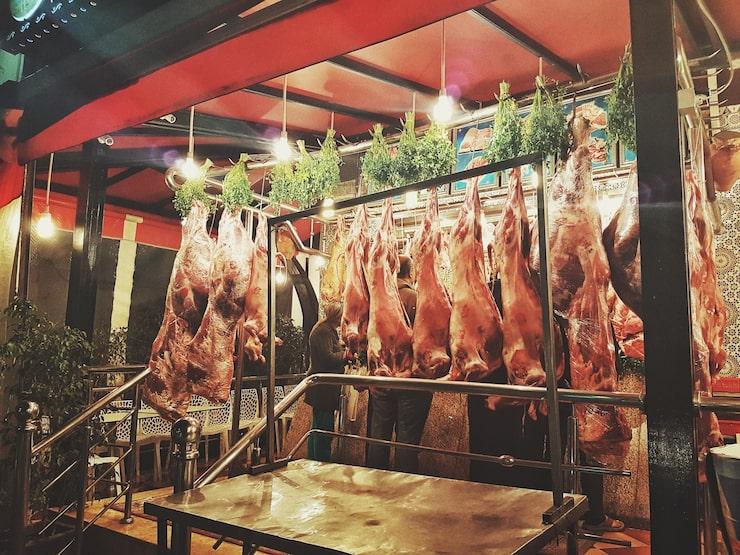
A freezer humming in the garage, half-empty since last Thanksgiving. That's usually the moment someone starts typing "where can I buy 1/4 cow in Tomball" into a search bar at eleven at night, half-convinced they're overthinking a simple grocery decision. They're not. Buying beef in bulk is one of those quietly practical moves that sounds intimidating until someone actually walks through it, and then it just... makes sense.
Tomball sits close enough to genuine cattle country that skipping the grocery store meat case isn't some far-fetched idea. It's a real option, and a growing number of families in and around Harris and Montgomery County are choosing it over the shrink-wrapped stuff. Still, "where to buy" is only half the question. The other half — the part nobody Googles but should — is how to buy it without regret.
Why a Quarter Cow, Specifically?
A quarter cow (sometimes called a "split quarter" if two families divide a half) generally lands somewhere between 90 and 130 pounds of finished, wrapped beef. That's not a random number — it's roughly what a smaller household can realistically work through in six to nine months without the freezer turning into a science experiment.
Here's the part people underestimate: a quarter isn't just steaks. It's a proportional slice of the whole animal — ground beef, roasts, ribs, stew meat, a handful of steaks, maybe some soup bones if the processor is generous. That mix matters. Anyone expecting a freezer full of ribeyes is going to be disappointed, and honestly, that disappointment is almost always a communication gap, not a scam.
Local Ranches and Farms Near Tomball
Several small operations within a 30–60 minute radius of Tomball sell direct-to-consumer beef, often grass-fed or grass-finished, sometimes grain-finished for a milder flavor. The Tomball Farmers Market itself is a solid starting point — not because every vendor there sells whole or partial animals, but because it's the fastest way to meet actual ranchers face to face and ask blunt questions. Ever noticed how a five-minute conversation at a market booth tells you more than an entire website's "About Us" page? That's not an accident.
Beyond the market, look toward the Magnolia, Waller, and Hempstead corridors — pasture-heavy areas where small cattle operations sell in bulk cuts. Many list availability on Facebook before anywhere else, which feels almost backwards in 2026, but that's how a lot of these family operations still operate. A phone call usually beats a contact form, too.
What It Actually Costs
Pricing varies more than people expect, largely because it depends on hanging weight, not the final packaged weight. A rough range across the greater Houston area right now:
-
Hanging weight price: roughly $4.50–$6.50 per pound
-
Processing/butcher fee: usually $0.75–$1.25 per pound, billed separately
-
A typical quarter cow (around 100–110 lbs hanging): total cost often falls between $550 and $900
That processing fee catches first-timers off guard almost every time. It's not hidden, exactly — it's just easy to skim past when the ranch's own price looks reasonable on its own.
Questions Worth Asking Before Paying a Deposit
A few things separate a good transaction from a frustrating one:
-
How is the animal finished — grass or grain, and for how long?
-
Which USDA-inspected processor handles the cutting?
-
Can cut sheets be customized, or is it a fixed package?
-
What's the pickup timeline, realistically, not optimistically?
None of these questions are rude. Any rancher worth the money will answer them without flinching.
Farmers Fresh Meat vs. Grocery Store Beef
There's a reason so many buyers describe the shift as noticeable almost immediately — the texture, the color, sometimes even how the fat renders differently in a pan. Farmers fresh meat, sourced directly and processed locally, skips several handling steps that grocery beef goes through before it ever reaches a shelf. That doesn't automatically make it "better" in some abstract sense, but it does make the supply chain shorter, traceable, and honestly a little more personal. Knowing which pasture the animal grazed isn't sentimental — it's information most consumers never get otherwise.
Making the Decision
Buying a quarter cow isn't for everyone, and pretending otherwise would be dishonest. Chest freezer required. Some upfront cash required. A little patience required, since these animals don't process on Amazon's schedule. But for households already burning through ground beef and roasts monthly, the math tends to work out — often landing cheaper per pound than store cuts, with noticeably better quality control along the way.
Strange how something as old-fashioned as buying beef straight from a local rancher ends up feeling like the more modern choice. Worth a phone call, at least.
FAQs
1. How much does a quarter cow cost in Tomball? Typically $550–$900 total, combining hanging weight price ($4.50–$6.50/lb) and processing fees.
2. How much freezer space is needed for a quarter cow? About 3.5–4.5 cubic feet — roughly the size of a standard chest freezer's lower half.
3. How long does a quarter cow last a family? Usually 6–9 months for a household of 2–4, depending on how often beef appears on the menu.
4. Can cuts be customized when buying a quarter cow? Most ranchers allow some customization through the processor's cut sheet, though fully custom orders may cost slightly more.
 English
Join our community to interact with posts!