
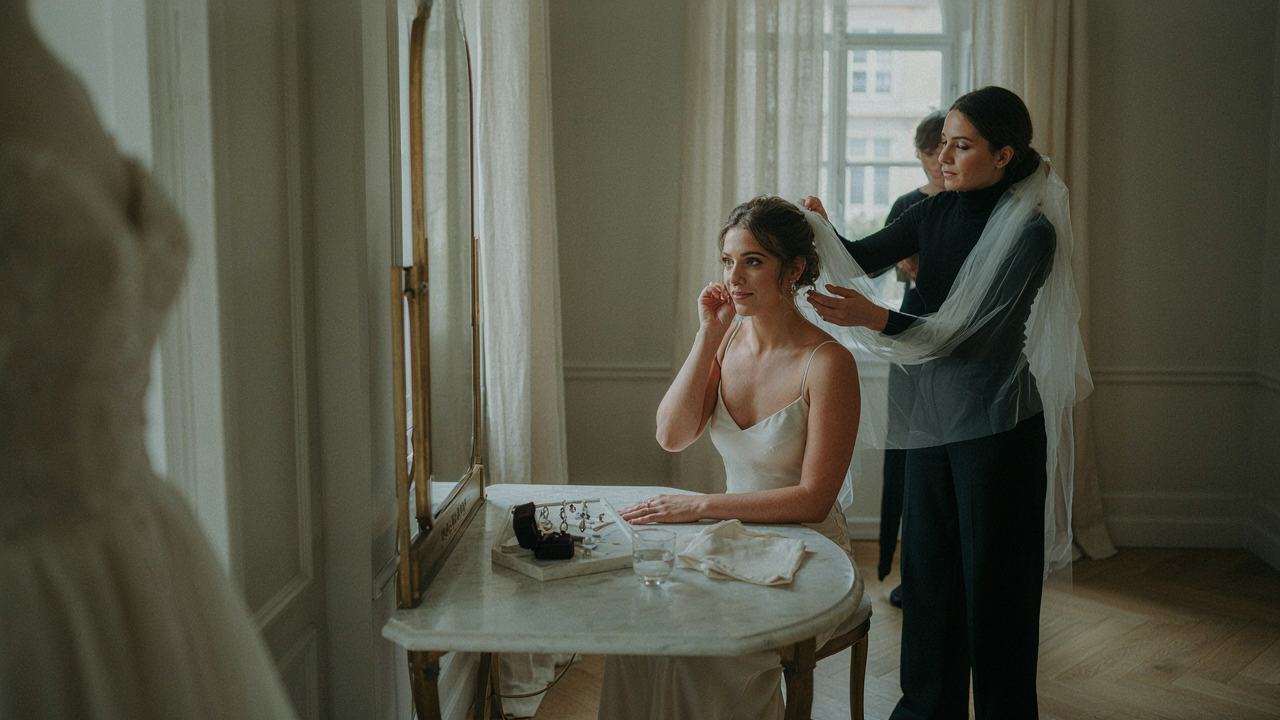
Earrings get worn more often than almost any other piece of jewelry, which is probably why so many people end up owning at least one pair of diamond earrings at some point. They work with a work outfit just as easily as a wedding gown, and that kind of range is hard to find anywhere else in a jewelry box. The tricky part is not that every pair suits every occasion, so figuring out which style fits which moment actually matters. This guide walks through the materials, the settings, and the questions worth asking before buying diamond earrings for yourself or someone else.
Comparing Materials Used in Diamond Earrings
The stone tends to get all the attention, but the metal around it plays a bigger role than most buyers realize. White gold gives a cool, modern look and hides small scratches reasonably well. Yellow gold leans traditional and tends to suit warmer skin tones, while platinum costs more upfront but holds up to daily wear better than almost anything else on the market.
-
White gold costs less, looks modern, but needs replating now and then
-
Yellow gold has that classic look and is often the go-to for gold earrings for girls getting their first real piece
-
Platinum weighs more but takes decades of daily wear without much fuss
-
Rose gold has a warmer tone and keeps showing up more in newer stud designs
Honestly, there is no single right answer here. It really depends on skin tone, lifestyle, and how often the earrings actually get worn. People who are active tend to reach for platinum or white gold since they hold up better to the wear and tear.
Diamond Earrings for Everyday Wear vs Special Occasions
Not every pair of earrings needs to do double duty, and trying to force one style into every situation usually ends in disappointment. Diamond stud earrings are the obvious choice for daily wear since they sit close to the ear, do not snag on hair or clothing, and pair with almost anything without competing for attention.
Special occasions call for something with a bit more presence. Diamond hoop earrings catch light with movement in a way studs simply cannot, making them a natural pick for evenings out or formal events. Drop earrings and larger cluster designs also tend to come out for weddings and galas, where a bit of extra sparkle actually fits the setting rather than feeling out of place.
Diamond Earrings: A Buyer's Checklist Before Purchase
A few practical checks before buying can save a lot of regret later. Start with the backing, since screw backs hold more securely than standard push backs, which matters for anyone active or prone to losing jewelry. Check that the setting protects the stone from everyday knocks, and confirm the metal is hallmarked for purity.
-
Confirm certification for the diamonds, especially on larger stones
-
Ask about the return or exchange policy before finalizing a purchase
-
Try the earrings on if possible, since fit varies more than people expect
-
Compare a few retailers, since pricing on similar quality can vary widely
Taking the extra few minutes to check these details usually pays off well beyond the purchase itself. A rushed decision at the counter often leads to a pair that ends up sitting unworn in a drawer, while a bit of patience upfront tends to result in earrings that actually get reached for again and again.
Conclusion
There is no single pair of diamond earrings that works for absolutely everything, and that is really the point. Studs handle the daily grind, hoops and drops step in for bigger moments, and the right metal choice ties it all together based on skin tone and lifestyle. Whatever the occasion ends up being, a thoughtful choice in diamond earrings tends to earn its place in daily rotation for years to come.
 English
Join our community to interact with posts!