
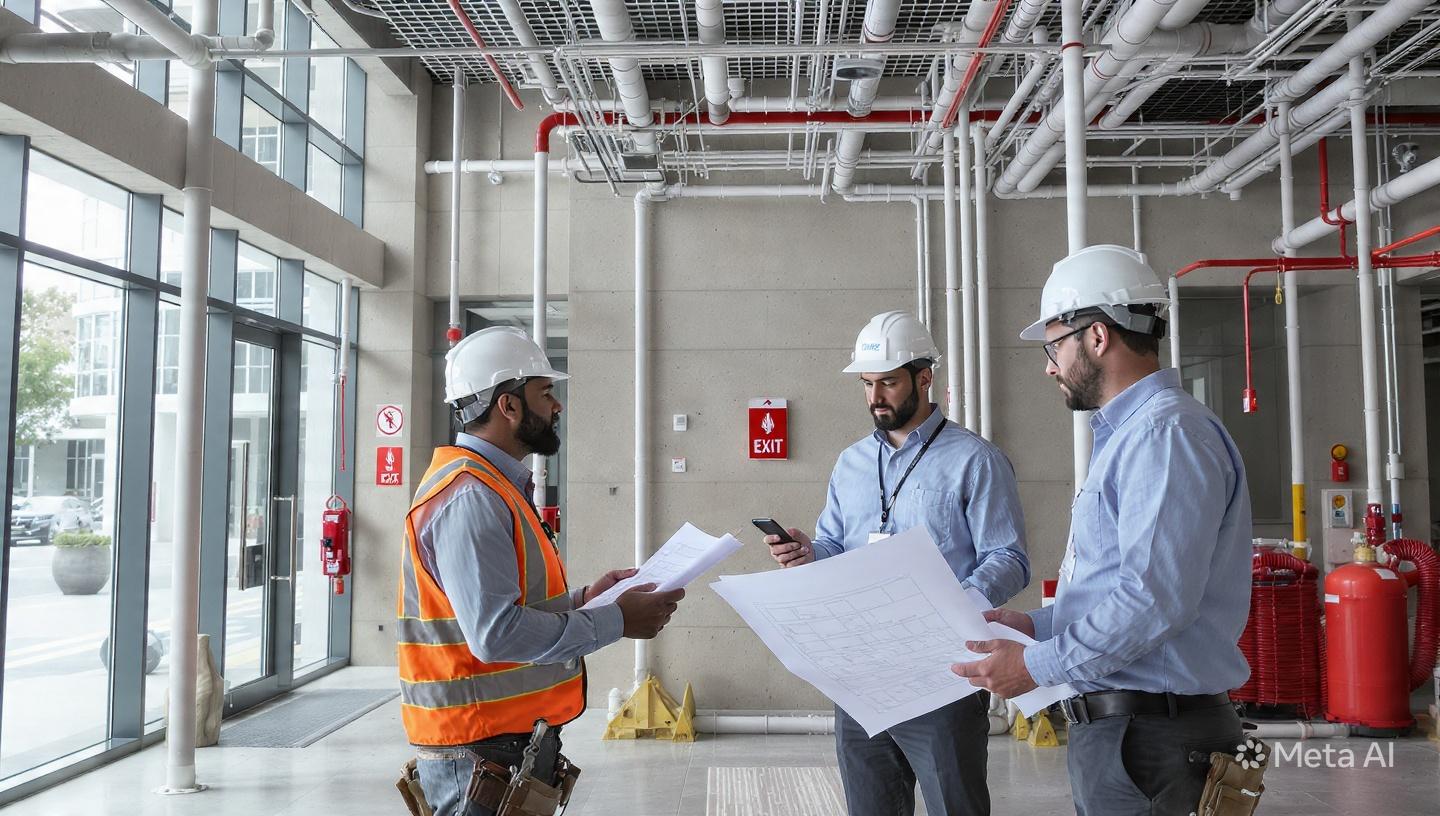
Fire safety in a complex building depends on sound engineering decisions, reliable systems, and careful coordination. A project may involve several disciplines, changing construction conditions, and detailed regulatory requirements. Professional fire engineering helps owners and project teams understand how fire and smoke may behave, how people may respond, and how protective systems should work together. The Cpeng Australia framework provides evidence that an engineer has demonstrated technical competence, professional judgement, ethical responsibility, and a commitment to continuing development. These qualities are especially important when decisions affect life safety, property protection, approvals, and construction planning.
The Role of Cpeng australia
Cpeng australia status is a professional credential associated with demonstrated engineering competence and responsible practice. Vortex Fire explains that its Chartered engineers are independently assessed and can take responsibility for complex engineering work. Many of its senior engineers are Chartered in Fire Safety Engineering, with expertise covering fire dynamics, human behaviour, evacuation science, performance based design, fire protection systems, building and fire codes, risk assessment, and coordination across building disciplines. This depth of knowledge can help project teams make decisions that are technically justified and practical to implement.
Fire Safety Engineering in Complex Projects
Fire safety engineering combines scientific analysis with code knowledge and practical design experience. Engineers may examine fire growth, smoke movement, occupant behaviour, evacuation routes, structural performance, detection systems, suppression systems, and compartmentation. They may also assess alternative solutions when a prescriptive requirement does not directly fit a particular design. A strong engineering process documents assumptions, identifies risks, evaluates suitable measures, and explains why the proposed approach can achieve the required safety objectives. This evidence is useful when a project is reviewed by authorities, approval bodies, insurers, or other technical stakeholders.
Supporting Partial Occupancy Planning and Fire Protection
Large buildings are sometimes occupied in stages before every area is complete. This can help a project begin operations earlier, but it also creates additional responsibilities. Occupied areas must have the required life safety features, while construction continues elsewhere. Vortex Fire provides partial occupancy plans that help owners, contractors, and project teams identify the building features and systems needed for staged occupancy under the Ontario Building Code. The service considers occupancy stages, fire alarms, sprinklers, standpipes, fire separations, health requirements, crane swings, fire service access, and general advice for achieving occupancy.
Before an area is occupied, the project team needs to understand how fire protection systems support that stage. Fire alarms should provide appropriate coverage, sprinkler and standpipe arrangements should meet applicable requirements, and fire separations should protect the intended boundaries. Doors, shafts, service penetrations, and structural elements may also affect compartmentation and fire resistance. These details need coordination between architects, contractors, mechanical teams, electrical designers, and fire engineers. Reviewing them early can reduce late changes and provide clearer evidence that occupied areas have appropriate protection.
Managing Construction Conditions Safely
Construction sites change constantly. Temporary barriers can move, access routes can be altered, services may remain incomplete, and equipment can affect emergency access. Materials stored in unfinished areas may also create additional hazards. For this reason, occupancy planning should be linked to actual construction sequencing rather than treated as a fixed document. Each stage should identify responsibilities, required inspections, emergency access, system status, and conditions that must remain in place. Regular communication between the owner, contractor, consultants, facility team, and authorities helps maintain a consistent approach as the project develops.
Professional Assurance and Project Coordination
Independent technical review can provide useful assurance on complex fire safety decisions. Chartered engineers can provide peer review, technical leadership, oversight of performance based analysis, and coordination with authorities and project stakeholders. Their role may include reviewing calculations, modelling, fire strategies, drawings, construction details, and proposed risk controls. Professional accountability also supports transparent decision making. When an engineer can clearly explain the basis for a recommendation, project teams are better positioned to understand responsibilities and implement the required measures correctly. This is particularly valuable for projects with unusual design conditions.
Conclusion
Strong documentation also improves communication across the project team. A clear record can show which areas are ready, which systems are operational, and which restrictions remain. This supports handover and later reviews. Chartered professionals can contribute engineering judgement when a project involves unusual fire safety challenges or approval pathways. Their experience can help connect technical analysis with practical construction requirements. Owners should also confirm that responsibilities are clearly assigned for inspections, maintenance, emergency procedures, and changes to occupied areas. These measures do not replace the requirements of the applicable authority or building code. Instead, they help the project team understand and manage those requirements in an organized way. Good preparation can reduce uncertainty and support safer decisions throughout the building lifecycle.
Safe staged occupancy depends on more than completing a checklist. Phased and Partial Occupancy planning matters. Phased and Partial Occupancy should be planned around fire alarms, sprinkler and standpipe systems, fire separations, emergency access, health requirements, and other applicable conditions. Professional engineering recognition can strengthen confidence that complex technical decisions are supported by demonstrated competence and ethical responsibility. Vortex Fire states that its Chartered engineers provide accountable engineering leadership and technical assurance for complex projects.
FAQs
What does a Chartered Professional Engineer provide?
A Chartered engineer provides professionally assessed engineering competence, judgement, ethical responsibility, and technical accountability.
Why is fire engineering important during staged occupancy?
It helps identify the safety systems and building features that need to be operational before people occupy a particular area.
What systems may be reviewed?
Fire alarms, sprinklers, standpipes, fire separations, emergency access, structural protection, and related life safety measures may require review.
Why should occupancy planning start early?
Early planning allows design and construction teams to coordinate requirements before occupied areas are opened.
Can conditions change after a plan is prepared?
Yes. Construction changes can affect access, systems, barriers, and hazards, so occupancy conditions may need review as work progresses.
 English
Join our community to interact with posts!