
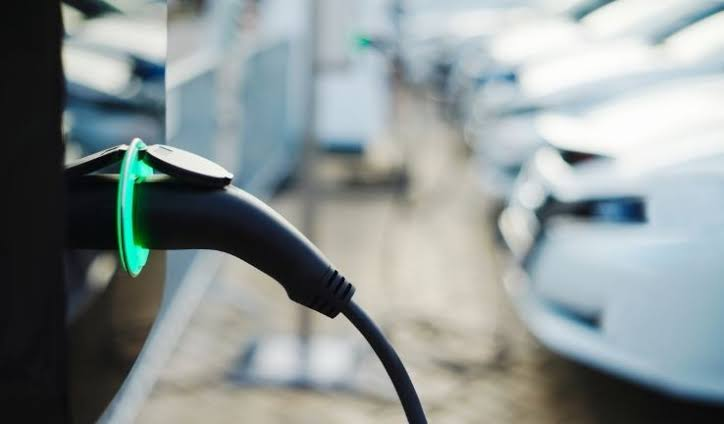
Kuwait’s transition toward electric mobility is being shaped by policy intervention, changing consumer preferences, vehicle availability, and the development of supporting infrastructure. The country’s automotive ecosystem is gradually adapting to technologies that can reduce tailpipe emissions while offering consumers alternative powertrain options.
The Kuwait electric vehicle market covers passenger vehicles, two-wheelers, and commercial vehicles across different power sources and battery technologies. The landscape is particularly influenced by the expansion of charging facilities, government measures supporting electrification, and the increasing availability of technology-enabled EV models. Kuwait’s EV adoption landscape therefore reflects the interaction between infrastructure readiness, consumer expectations, and automotive product development.
MarkNtel Advisor research indicates that government mandates and policy interventions are important factors influencing EV adoption in Kuwait. Measures related to charging standards, home-charging access, renewable energy, and transportation decarbonization are contributing to changes across the mobility ecosystem, while economic diversification efforts are also creating additional interest in electric transportation.
Policy Measures Are Reshaping Electric Mobility
Government policy has become an important component of Kuwait’s electrification efforts. The country has committed to net-zero emissions by 2060 and has incorporated transportation decarbonization within its broader Vision 2035 framework. Fuel stations have also been required to install fast EV chargers according to standards approved by relevant public authorities, creating a more defined environment for charging infrastructure development.
Home charging is another area receiving policy attention. Guidelines allowing tenants to install home chargers can address one of the practical barriers associated with EV ownership, particularly because a substantial share of Kuwait’s population lives in apartment complexes. The development of rooftop solar installations also connects clean-energy generation with the wider transition toward lower-emission mobility.
Charging Availability Remains a Key Constraint
Despite policy support, charging infrastructure remains an important limitation for wider adoption. The report identifies a relatively small charging network, with around 40 chargers, and notes that many existing units do not provide fast charging. Concentration around Kuwait City can also make charging less convenient for inter-city travel and consumers without access to private charging facilities.
Climate conditions add another consideration for EV deployment. Kuwait experiences extremely high summer temperatures, with temperatures regularly exceeding 50°C. Such conditions can affect vehicle range and create additional concerns for consumers when planning longer journeys. Consequently, expanding reliable charging coverage and improving vehicle thermal-management capabilities are relevant to the practical usability of electric vehicles in the country.
Passenger Vehicles Continue to Shape Adoption
Passenger vehicles represent the dominant vehicle category in Kuwait’s EV ecosystem. The report attributes this position to greater consumer awareness, a broader selection of available models, and the suitability of home charging for private vehicle owners. Public charging locations concentrated around residential, commercial, and business areas also tend to support passenger-vehicle use.
The expanding range of models across different price and performance categories is contributing to greater visibility for electric mobility. Premium vehicles such as the Porsche Taycan coexist with more accessible offerings including the BYD Atto 3 and MG4. This broader product spectrum allows EV technology to reach consumers with different expectations regarding features, pricing, and driving requirements.
BEVs and Hybrids Serve Different Needs
Battery electric vehicles are an important part of Kuwait’s transition because they eliminate tailpipe emissions and generally have fewer mechanical components than conventional vehicles. Lower maintenance requirements and potential fuel-cost savings can also influence ownership decisions, particularly among consumers who have convenient access to charging.
Hybrid electric vehicles address a different set of practical considerations. Their ability to combine an internal combustion engine with electric propulsion reduces dependence on charging infrastructure for longer journeys. This characteristic can be relevant in areas where public chargers remain limited, allowing hybrids to function as an intermediate option while charging infrastructure develops further.
Fleet Electrification Could Broaden the Ecosystem
Commercial fleets present another pathway for electrification. Kuwait has a substantial network of fleet operators using trucks, buses, and light-duty vehicles for commercial activity and infrastructure operations. Electrifying a portion of these fleets could increase demand for dedicated charging hubs while creating opportunities to integrate charging infrastructure into existing fleet-management systems.
Fleet deployment can also provide practical visibility for electric transportation beyond private ownership. Commercial operators typically evaluate vehicles through operating costs, utilization rates, maintenance requirements, and charging logistics. These considerations make fleet electrification dependent not only on vehicle availability but also on reliable charging arrangements and suitable operational planning.
Lower-Cost EVs Are Broadening Consumer Interest
Kuwait’s EV landscape has historically included premium models from international automotive brands. The introduction of comparatively lower-cost, technology-enabled vehicles is changing the range of options available to consumers. Models positioned closer to conventional mass-market vehicles can make electric propulsion more relevant to multiple-car households and first-time buyers.
Newer EV platforms are also incorporating thermal-management technologies designed to reduce the impact of high temperatures on performance and driving range. Combined with expanding sales and service networks, these developments can support a broader ecosystem around electric mobility. However, sustained adoption remains linked to the simultaneous improvement of charging access, consumer confidence, and vehicle suitability for local conditions.
Infrastructure and Product Development Will Intersect
Kuwait’s electric mobility transition illustrates how vehicle adoption depends on more than the availability of electric models. Policy frameworks, charging infrastructure, apartment-based home charging, climatic conditions, fleet requirements, and consumer economics all influence the pace at which electrification can progress.
The direction of Kuwait’s EV ecosystem will therefore depend on how these elements develop together. Continued infrastructure expansion can address charging-related concerns, while broader vehicle availability and improvements in thermal management can support consumer usability. Policy measures and fleet electrification may further influence the development of an integrated electric mobility ecosystem across the country.
For businesses and stakeholders assessing Kuwait’s transportation transition, the key considerations extend beyond vehicle sales. Charging accessibility, powertrain preferences, fleet applications, residential charging, and product affordability provide important indicators of how electric mobility is evolving within the country’s broader transportation system.
 English
Join our community to interact with posts!