
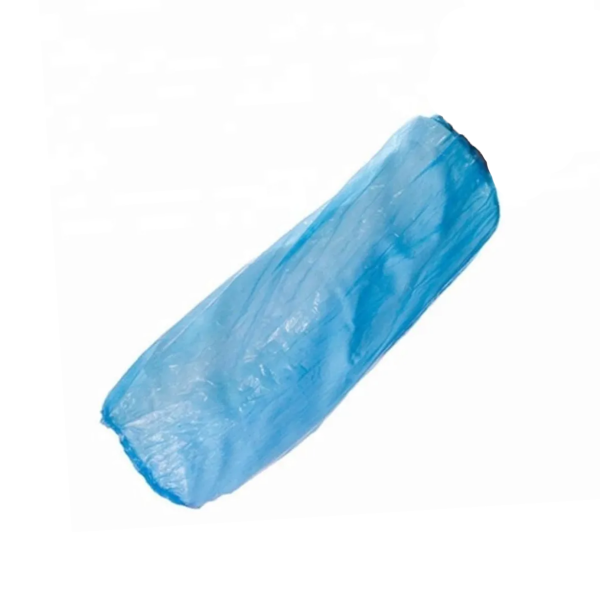
Disposable sleeve covers are protective garments designed to cover the arms and sleeves of workers’ clothing, helping prevent exposure to liquids, dust, contaminants, and other workplace hazards. They are commonly used as personal protective equipment (PPE) in healthcare, food processing, laboratories, manufacturing, cleaning, and industrial environments.
These protective covers are usually made from lightweight disposable materials such as polyethylene, polypropylene, or non-woven fabrics. They are designed for single-use applications and provide an additional barrier between the worker’s arms and external contaminants.
Disposable sleeve covers are commonly used in:
-
Hospitals and healthcare facilities
-
Food production areas
-
Laboratories
-
Pharmaceutical environments
-
Cleanrooms
-
Manufacturing facilities
-
Cleaning services
Their simple design, affordability, and convenience make them an important part of workplace hygiene and safety procedures.
Why Are Disposable Sleeve Covers Important?
In many workplaces, arms and clothing sleeves can come into contact with contaminants, liquids, chemicals, or materials that need protection.
Disposable sleeve covers help create an additional protective layer that reduces direct contact and supports cleaner working environments.
They help:
-
Protect clothing from contamination
-
Reduce exposure risks
-
Support hygiene standards
-
Improve workplace safety
-
Minimise cleaning requirements
For industries where cleanliness is important, disposable sleeve covers provide a practical and cost-effective protective solution.
How Do Disposable Sleeve Covers Work?
Disposable sleeve covers are designed to fit over the lower arm and existing clothing sleeves.
Most designs include:
-
Elastic openings at both ends
-
Lightweight materials
-
Water-resistant surfaces
-
Flexible construction
The elastic cuffs help keep the cover securely positioned while allowing comfortable movement.
When used correctly, sleeve covers act as a barrier between:
-
Worker clothing
-
Skin exposure areas
-
Workplace contaminants
They are often combined with other PPE products such as gloves, gowns, masks, and protective clothing for complete coverage.
Benefits of Disposable Sleeve Covers
Protects Arms and Clothing
The main purpose of disposable sleeve covers is protecting sleeves and arms from workplace exposure.
They help prevent:
-
Liquid splashes
-
Dust accumulation
-
Food contamination
-
Chemical contact
-
Surface contamination
This is especially useful in environments where workers handle materials throughout the day.
Supports Workplace Hygiene
Maintaining cleanliness is essential in many industries.
Disposable sleeve covers help reduce contamination transfer by creating a protective barrier between workers and workplace materials.
They are commonly used where hygiene standards are required, including:
-
Food processing
-
Healthcare
-
Laboratories
-
Pharmaceutical production
Reduces Cross-Contamination Risks
When workers move between different tasks, contaminants can transfer through clothing.
Disposable sleeve covers help reduce this risk by providing a clean protective layer that can be replaced after use.
This supports better contamination control practices.
Easy to Wear and Replace
Disposable sleeve covers are designed for convenience.
Benefits include:
-
Quick application
-
Easy removal
-
Simple disposal
-
No washing required
This makes them practical for busy workplaces.
Lightweight and Comfortable
Most disposable sleeve covers are made from lightweight materials that allow freedom of movement.
They provide:
-
Comfortable wear
-
Flexibility
-
Easy handling
-
Reduced restriction
Workers can perform tasks efficiently while maintaining protection.
Common Uses of Disposable Sleeve Covers
Healthcare and Medical Facilities
Healthcare workers may use disposable sleeve covers during tasks where additional protection is needed.
Applications include:
-
Patient care
-
Cleaning procedures
-
Laboratory activities
-
Medical preparation areas
They help protect clothing and support infection control procedures.
Food Processing Industry
Food manufacturers use disposable sleeve covers to maintain hygiene during production.
They are commonly used by:
-
Food handlers
-
Packaging workers
-
Kitchen staff
-
Food production teams
They help prevent contamination from clothing sleeves during food preparation.
Laboratories and Research Facilities
Laboratories often require protective clothing to maintain controlled environments.
Disposable sleeve covers help protect:
-
Samples
-
Equipment
-
Workers
They are useful during:
-
Testing procedures
-
Research activities
-
Material handling
Pharmaceutical Industry
Pharmaceutical environments require strict cleanliness standards.
Disposable sleeve covers help protect:
-
Products
-
Production areas
-
Employees
They are often used alongside other protective equipment.
Manufacturing and Industrial Applications
Manufacturing businesses use sleeve covers to protect workers and products.
Common applications include:
-
Assembly work
-
Component handling
-
Product finishing
-
Equipment maintenance
Cleaning and Janitorial Services
Cleaning professionals often work with chemicals and contaminated surfaces.
Disposable sleeve covers provide additional protection during:
-
Commercial cleaning
-
Waste handling
-
Sanitisation procedures
Types of Disposable Sleeve Covers
Different industries require different sleeve cover designs and materials.
Polyethylene Disposable Sleeve Covers
Polyethylene sleeve covers are among the most commonly used options.
Benefits include:
-
Lightweight protection
-
Water resistance
-
Cost efficiency
-
Easy disposal
They are commonly used in food handling and general workplace applications.
Polypropylene Disposable Sleeve Covers
Polypropylene covers provide lightweight and breathable protection.
They offer:
-
Comfortable wear
-
Flexible movement
-
Good coverage
They are commonly used in healthcare and laboratory environments.
Non-Woven Disposable Sleeve Covers
Non-woven sleeve covers provide soft and comfortable protection.
They are suitable for:
-
Medical environments
-
Clean areas
-
Professional applications
Elastic Cuff Sleeve Covers
Many disposable sleeve covers feature elastic cuffs.
Advantages include:
-
Secure fitting
-
Reduced slipping
-
Better coverage
Elastic cuffs help keep the sleeve cover in place during movement.
Industries That Use Disposable Sleeve Covers
Healthcare Sector
Hospitals and clinics use disposable sleeve covers as part of protective clothing systems.
They support:
-
Hygiene procedures
-
Worker protection
-
Infection control
Food and Beverage Industry
Food businesses use sleeve covers to maintain clean production environments.
Applications include:
-
Food preparation
-
Packaging
-
Processing
Laboratory Sector
Research facilities use sleeve covers when working with:
-
Samples
-
Chemicals
-
Testing materials
Electronics Manufacturing
Electronics manufacturers may use protective sleeve covers to maintain cleaner production areas.
They help reduce:
-
Dust exposure
-
Product contamination
Beauty and Personal Care
Beauty professionals may use disposable protective clothing during certain treatments.
How to Choose the Right Disposable Sleeve Covers
Selecting suitable sleeve covers depends on workplace requirements.
Consider Material Type
Different materials provide different benefits.
Choose based on:
-
Required protection level
-
Workplace environment
-
Comfort needs
Check Size and Length
Proper sizing improves:
-
Coverage
-
Comfort
-
Protection
Consider:
-
Arm length
-
Sleeve coverage requirements
-
Worker movement
Evaluate Elastic Quality
Strong elastic cuffs help maintain a secure fit.
Look for:
-
Comfortable openings
-
Reliable hold
-
Flexible movement
Consider Application Requirements
Different industries require different protection levels.
Consider whether protection is needed against:
-
Liquids
-
Dust
-
Chemicals
-
Contaminants
Disposable Sleeve Covers vs Reusable Sleeve Protectors
Businesses often compare disposable and reusable options.
| Disposable Sleeve Covers | Reusable Sleeve Protectors |
| Single-use design | Multiple-use design |
| No washing required | Requires cleaning |
| Easy replacement | Requires maintenance |
| Suitable for high hygiene environments | Suitable for controlled reuse |
| Convenient for busy workplaces | Long-term use option |
The right choice depends on workplace needs, hygiene requirements, and operational processes.
Buying Disposable Sleeve Covers in Bulk
Many businesses purchase disposable sleeve covers in bulk because they require regular replacement.
Bulk purchasing provides:
-
Lower cost per unit
-
Reliable stock availability
-
Easier inventory management
-
Reduced ordering frequency
Industries that commonly buy in bulk include:
-
Hospitals
-
Food manufacturers
-
Laboratories
-
Cleaning companies
-
Industrial businesses
How to Store Disposable Sleeve Covers Properly
Proper storage helps maintain product quality.
Keep Products Dry
Store sleeve covers away from:
-
Moisture
-
Water exposure
-
Humidity
Protect Packaging
Keep products sealed until use to maintain cleanliness.
Store Away From Contaminants
Avoid placing PPE supplies near:
-
Chemicals
-
Dirty surfaces
-
Waste materials
Common Mistakes When Buying Disposable Sleeve Covers
Choosing Only Based on Price
The cheapest option may not always provide the best protection.
Consider:
-
Material quality
-
Durability
-
Workplace requirements
Selecting Incorrect Sizes
Poor-fitting sleeve covers may:
-
Slip during use
-
Provide incomplete coverage
-
Reduce comfort
Ignoring Workplace Requirements
Different environments require different protection levels.
Always choose products based on actual application needs.
Poor Stock Management
Businesses should monitor usage to avoid running out of protective supplies.
Environmental Considerations of Disposable Sleeve Covers
Disposable PPE plays an important role in workplace safety, but responsible usage is also important.
Businesses can improve sustainability by:
-
Avoiding unnecessary waste
-
Ordering appropriate quantities
-
Following proper disposal procedures
-
Choosing responsible suppliers
Why Choose Quality Disposable Sleeve Covers?
Quality sleeve covers provide better performance and reliability.
Professional-grade products offer:
-
Consistent protection
-
Comfortable wear
-
Better durability
-
Reliable fit
Choosing suitable protective equipment helps businesses maintain safer workplaces.
Conclusion
Disposable sleeve covers are an important protective solution for healthcare, food processing, laboratories, manufacturing, and industrial environments. They provide an effective barrier against contaminants, liquids, dust, and workplace hazards while supporting hygiene and safety procedures.
Their lightweight design, easy application, and affordable cost make them a practical choice for businesses that require additional arm protection.
By selecting the right material, size, and quality, organisations can improve workplace safety, reduce contamination risks, and maintain cleaner working environments.
FAQs About Disposable Sleeve Covers
What are disposable sleeve covers used for?
Disposable sleeve covers protect arms and clothing sleeves from liquids, dust, contaminants, and workplace hazards.
Who uses disposable sleeve covers?
They are used by healthcare workers, food handlers, laboratory staff, manufacturers, cleaners, and pharmaceutical workers.
What materials are disposable sleeve covers made from?
Common materials include polyethylene, polypropylene, and non-woven fabrics.
Are disposable sleeve covers waterproof?
Some disposable sleeve covers provide water resistance, but protection levels depend on the material and design.
Can disposable sleeve covers be reused?
Most disposable sleeve covers are designed for single-use applications and should be replaced according to workplace procedures.
Why buy disposable sleeve covers in bulk?
Bulk purchasing helps businesses reduce costs, maintain stock, and simplify supply management.
How do I choose the right disposable sleeve covers?
Choose based on material, size, protection requirements, workplace environment, and comfort needs.
Are disposable sleeve covers part of PPE?
Yes, disposable sleeve covers are considered personal protective equipment when used to provide workplace protection.
 English
Join our community to interact with posts!