
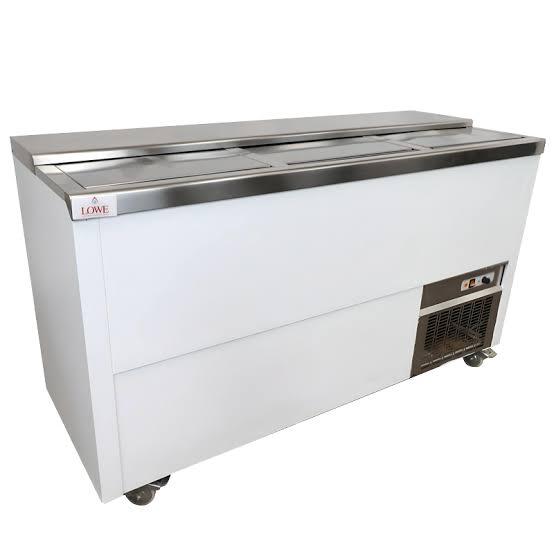
Reliable refrigeration is essential for businesses that handle food, beverages, temperature-sensitive products, and other goods that require controlled storage conditions. However, refrigeration requirements can change quickly. A business may suddenly need extra capacity because of a busy season, an event, equipment maintenance, or an unexpected breakdown.
In these situations, mobile refrigeration hire can provide a flexible way to increase cooling capacity without purchasing permanent equipment. Mobile refrigeration solutions can be used at commercial premises, temporary venues, construction locations, catering sites, and outdoor events.
Understanding Mobile Refrigeration
Mobile refrigeration refers to refrigeration equipment that can be transported and positioned where it is required. Unlike a permanent refrigeration installation, mobile equipment is designed to provide temporary or additional cooling capacity.
This can be useful for businesses that do not require extra refrigeration throughout the year. Instead of investing in equipment that may remain underused during quieter periods, companies can hire suitable refrigeration when demand increases.
The length of hire can vary depending on the application. Some customers may require equipment for only a few days, while others may need a solution for several weeks or longer.
Emergency Refrigeration After Equipment Failure
Unexpected refrigeration failure can disrupt business operations. Restaurants, caterers, food suppliers, retailers, and hospitality businesses may have significant quantities of temperature-sensitive stock that require immediate attention.
Arranging temporary refrigeration can provide an additional option while permanent equipment is being repaired or replaced. This can help businesses maintain suitable storage conditions and reduce disruption to their normal activities.
Emergency planning is particularly important for companies that depend heavily on refrigeration. Identifying a potential temporary refrigeration provider before an emergency occurs can help businesses respond more efficiently if equipment fails.
Supporting Catering Businesses
Catering companies often work at different venues and may not always have access to sufficient permanent refrigeration. A large wedding, corporate function, festival, or outdoor event can create a need for additional chilled storage.
Mobile refrigeration equipment can be transported to the required venue and used as part of the catering setup. This allows caterers to manage additional food and beverage storage without relying entirely on the facilities available at the venue.
Before an event, caterers should consider the amount of chilled stock required, the expected duration of food storage, available power supplies, and the space available for refrigeration equipment.
Refrigeration for Events
Events can take place in locations ranging from hotels and conference centres to fields and temporary outdoor venues. Some locations may already have refrigeration facilities, while others may have limited capacity.
Temporary refrigeration can help event organisers and catering teams overcome these limitations. Additional cooling capacity can be arranged for food preparation, beverage storage, or other temperature-sensitive requirements.
For larger events, organisers should plan refrigeration alongside other logistical requirements. Delivery access, equipment positioning, electrical supply, and servicing should all be considered before the event begins.
Seasonal Business Requirements
Many businesses experience seasonal changes in demand. During holidays, festivals, summer events, or busy trading periods, stock levels may increase considerably.
Permanent refrigeration systems may not always provide enough capacity during these peak periods. Hiring additional equipment can allow businesses to increase storage temporarily and return to their usual setup once demand decreases.
This approach can provide greater flexibility than purchasing permanent equipment solely to handle occasional peaks in demand.
Planned Maintenance and Refurbishment
Refrigeration systems sometimes need planned maintenance, upgrades, or replacement. During this work, businesses may need an alternative method of storing chilled products.
Temporary refrigeration can help bridge the gap between removing an existing system and installing the replacement. This can be particularly useful for businesses that cannot simply stop operating while refrigeration work is completed.
Advance planning is beneficial for scheduled maintenance because equipment requirements can be identified before work begins.
Choosing Suitable Refrigeration Capacity
Selecting the appropriate refrigeration equipment requires an understanding of the products being stored and the amount of space required.
Businesses should consider how much stock needs to be stored, how frequently the refrigeration unit will be accessed, and how long the equipment will be required.
The type of products is also important because different goods can have different storage requirements. Businesses should make sure the chosen equipment is suitable for its intended application.
Discussing requirements with an experienced refrigeration hire provider can help identify practical options for a particular situation.
Location and Installation Considerations
Where mobile refrigeration equipment is positioned can affect how easily it can be used. The unit should be placed somewhere that provides convenient access while leaving sufficient room for normal business activities.
Delivery access should also be considered. Refrigeration equipment needs to reach the site safely, and there should be an appropriate route for installation and eventual collection.
Businesses should also establish whether the proposed location has a suitable power supply. Understanding these practical details in advance can help avoid delays when the equipment arrives.
Managing Refrigerated Stock Efficiently
Hiring additional refrigeration provides valuable storage capacity, but good stock management remains important.
Products should be organised so that frequently accessed items are easy to reach. Unnecessary door opening should be avoided where possible because repeated access can affect internal temperatures.
Businesses should also monitor storage conditions according to their operational procedures. Keeping an organised refrigeration area can make it easier to identify stock, manage inventory, and maintain appropriate storage practices.
Benefits for Business Continuity
Temporary refrigeration can form part of a wider business continuity strategy. Companies that rely on chilled storage may face significant disruption if their primary refrigeration system fails.
Having a contingency plan can provide businesses with a structured response to unexpected situations. This may include identifying temporary refrigeration options, determining potential storage requirements, and planning how equipment could be delivered to the premises.
A prepared approach can help businesses respond more efficiently when circumstances change.
Professional Refrigeration Solutions in Wales
Chiller Refrigeration Hire, based in St Asaph, Denbighshire, provides temporary chiller and mobile refrigeration solutions for businesses and other customers across Wales.
Its services can support a variety of requirements, including additional refrigeration capacity, temporary cooling for events, emergency situations, seasonal demand, maintenance periods, and other short- or long-term applications.
For businesses that need flexible refrigeration without committing to permanent equipment, hiring can provide a practical solution tailored to a particular project or period.
Conclusion
Refrigeration requirements are not always predictable. Businesses can experience sudden equipment failures, seasonal increases in demand, temporary events, maintenance work, or changes in their storage needs.
Mobile refrigeration hire provides a flexible option for managing these situations. Instead of purchasing permanent equipment for occasional requirements, businesses can access temporary cooling capacity when it is actually needed.
From catering companies and hospitality businesses to food suppliers, event organisers, and commercial operations, temporary refrigeration can support a wide range of applications.
By planning capacity requirements, considering equipment location, checking power arrangements, and organising delivery and servicing in advance, businesses can make temporary refrigeration easier to manage. With an appropriate mobile solution, companies can maintain their operations while responding to changing cooling and storage requirements.
 English
Join our community to interact with posts!