
Most parents don’t think about swim lessons until one moment hits them.
- Maybe you’re at a condo pool.
- Maybe you’re on holiday.
- Maybe your baby splashes happily… and you suddenly realise water is fun, but also serious.
That’s when “maybe we should start infant swim lessons” turns into “okay, where do we even begin?”
There are more options now than ever. Heated pools. Saltwater pools. Parent-and-baby bonding classes. Even survival-style programs. It can get confusing fast.
So, let’s make this simple. If you’re choosing infant swim lessons in 2026, here’s what actually matters.
5 Tips to Choose the Right Infant Swim Lessons in Malaysia
1. Don’t Chase “Advanced.” Chase Comfort.
Some centres promise faster progress. Earlier independence. Quicker water confidence.
But your baby isn’t training for the Olympics.
The first goal of infant swim lessons is simple:
- Comfort in water
- Familiarity with movement
- Trust with the instructor
Ask yourself: Does this program focus on bonding and safety, or performance?
If your baby cries the whole session, that’s not progress. That’s stress.
2. Look at the Instructor, Not Just the Pool
The pool can look beautiful. Warm water. Soft lighting. Clean tiles.
But the instructor makes the difference.
Watch how they:
- Speak to babies
- Guide nervous parents
- React when a baby fusses
- Handle transitions in and out of water
Do they rush? Or do they slow down naturally?
Good instructors understand babies aren’t robots. They adjust. They read mood shifts. They stay calm. That’s more important than any shiny facility.
3. Safety Standards Should Be Boring and Clear
Safety should feel predictable.
Ask practical questions:
- Is the water temperature baby-appropriate?
- What is the instructor-to-baby ratio?
- Are instructors certified in infant water safety?
- What happens if a baby panics?
If answers feel vague, that’s your answer.
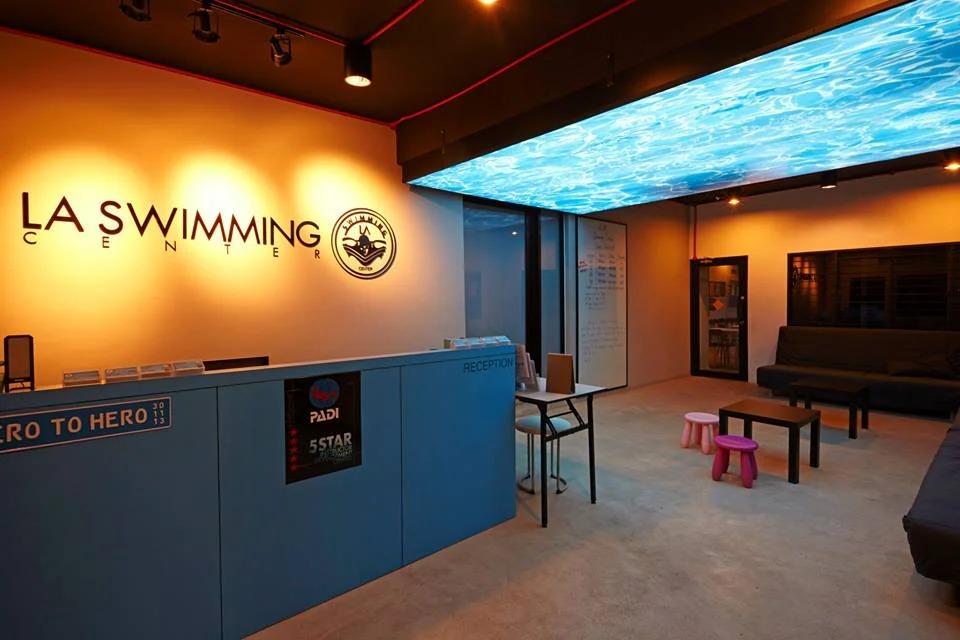
Many parents prefer centres like LA Swimming Center because their infant programs stay structured and safety-focused without turning sessions into drills. That balance matters.
4. Parent Involvement Is Not Optional
Infant swim lessons are not babysitting.
You will be in the water. You will hold your baby. You will learn alongside them.
Ask yourself: Are you comfortable being coached?
Good programs guide parents just as much as babies. They show you how to:
- Support floating
- Introduce gentle submersion
- Encourage kicking naturally
- Stay calm when your baby hesitates
Your confidence affects your baby more than you think.
5. Don’t Ignore Your Schedule Reality
Be honest with yourself. Are you going to commit weekly? Or will work, naps, and life get in the way?
Consistency builds water comfort. Random sessions don’t.
Choose a centre close enough that you won’t cancel often. Convenience sounds boring, but it keeps momentum alive.
Interestingly, many parents searching “swimming classes for adults near me” later realise they also want lessons themselves. Babies learn faster when they see confident parents in water.
What’s New in Infant Swim Lessons in 2026?
Trends are shifting.
Here’s what’s changing:
- Warmer pools with stricter hygiene control
- Smaller class sizes
- Sensory-aware teaching methods
- Focus on water confidence, not early swimming strokes
- Parent coaching integrated into every session
Less pressure. More comfort. More education. That’s the direction things are moving.
Questions You Should Ask Before Signing Up
Keep it simple.
Ask:
- What is the maximum class size?
- How do you handle crying babies?
- Can parents observe before committing?
- What is the progression plan?
If the answers feel calm and clear, you’re in the right place. If you feel rushed, walk away.
What Progress Actually Looks Like
Progress in infant swim lessons does not look dramatic.
It looks like:
- Less clinging
- More relaxed floating
- Comfortable face splashes
- Smiling instead of stiff posture
Small wins matter. You’re not building a swimmer yet. You’re building comfort.
A Quiet Truth Most Parents Realise Later
Starting earlier usually makes things easier.
Babies adapt quickly. Fear builds later, not earlier.
But starting early doesn’t mean pushing hard. It means introducing water gently and consistently.
The goal is simple. You want your child to feel that water is normal. Not scary. Not overwhelming.
That mindset lasts longer than any specific technique.
First Lesson Checklist: Keep It Simple
First swim lessons feel bigger in your head than they actually are.
You don’t need to overprepare. You just need the basics sorted so you’re not flustered poolside.
Before you leave the house, check:
- Swim diaper (bring an extra, just in case)
- Soft towel with a hood if you have one
- Light change of clothes
- Bottle or feed plan after the session
- A calm mindset
That last one matters most.
Arrive a little early. Let your baby adjust to the environment. Don’t rush from car to pool. Babies sense urgency fast.
During the session, don’t aim for perfection. Aim for comfort.
If your baby fusses, it’s normal. If they cling, it’s normal. If they surprise you and love it immediately, that’s also normal.
The first lesson isn’t about performance. It’s about introducing water as something safe.
Final Thought
Choosing the right infant swim lessons is less about trends and more about trust.
Trust the instructor. Trust the structure. Trust your instinct when something feels off.
The right program won’t promise miracles. It will promise safety, patience, and steady growth.
And that’s enough.
Key Points
- Comfort matters more than speed
- Instructor quality outweighs facility design
- Safety standards must be clear
- Parent involvement shapes progress
- Consistency builds water confidence
FAQs
At what age can babies start infant swim lessons?
Most programs start from 4 to 6 months.
Are infant swim lessons safe for babies?
Yes, when taught by certified instructors in warm pools.
Do parents need swimming experience?
No, but learning basic water confidence helps.
 English
Join our community to interact with posts!